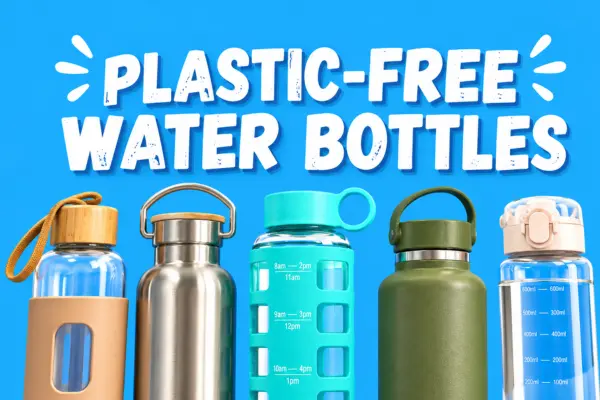
Plastic water bottles are generally made for safe use, but heat and repeated reuse can create concerns. It is better to avoid leaving bottles in hot places and use reusable glass or stainless steel bottles when possible.
- Home
- Buying Guides
HYDROGEN WATER DRINKWARES
- Size & Comparisons
- Education
Bottled Water vs Tap Water: Which Is Safer, Healthier, Cheaper, and Better for Daily Use?
Leave a comment / Blog / By Zainab.K / 9 May 2026
Table of Contents
How I reviewed this topic:
This guide was written by comparing practical household use cases, bottled water concerns, tap water limitations, and general public health guidance.
Quick Answer
Choosing between bottled water and tap water depends on your local water quality, budget, taste preference, and daily routine.
For most homes, filtered tap water is the better everyday option because it costs less and creates less waste.
Bottled water is more useful for travel, emergencies, or areas where tap water quality is poor.
Bottled Water vs Tap Water: Which Is Better for Health, Cost, and the Planet?

Water is part of your daily life. You drink it when you wake up. You carry it outside. You use it at home, at work, and during travel. But for everyday drinking, which one is actually the better choice: bottled water or tap water?
At first, the answer seems simple. Bottled water looks clean, sealed, and easy to trust. Tap water feels cheaper and more available. But when you look a little deeper, the choice becomes more interesting.
Both options can be safe. Both have benefits. Both also have some concerns. So instead of following fear, marketing, or random advice, let’s look at this in a simple and practical way.
What Is Tap Water and Where Does It Come From?

Tap water usually comes from rivers, lakes, reservoirs, or underground sources. Before reaching your home, it typically goes through treatment such as filtration and disinfection to reduce dirt, particles, and harmful germs.
However, final tap water quality can still vary by area. Local treatment standards, distribution systems, and even old household pipes can affect the water that comes out of your tap.
What Is Bottled Water and Where Does It Come From?

Bottled water may look simple, but its source is not always as natural as the label suggests.
Some bottled water comes from springs or underground sources, while some starts as municipal water and is then filtered, bottled, and sold
There are different types of bottled water too:
| Type of Bottled Water | Simple Meaning |
|---|---|
| Purified Water | Water cleaned through extra treatment |
| Spring Water | Water collected from a natural spring source |
| Mineral Water | Water with natural minerals like calcium or magnesium |
| Alkaline Water | Water with a higher pH level, often marketed with health claims |
Many people think bottled water is always more pure. But that is not always true. It depends on the source, treatment, storage, and brand quality.
Also, some health claims around special bottled waters, like alkaline water, are often stronger than the real evidence. It may be fine to drink, but most people do not need it for better health.
Tap Water vs Bottled Water: Health and Safety
Let’s talk honestly. Health is usually the biggest reason people choose bottled water. It feels safer because it is sealed. But safety is not only about packaging.
In many places, tap water is tested regularly by local water authorities. These tests check for germs, chemicals, and overall quality. Bottled water is also regulated, but the testing process may be different. It is often tested in batches instead of being monitored in the same way as public tap water systems.
This does not mean bottled water is unsafe. It simply means bottled water is not automatically safer than tap water.
Filtered Tap Water: A Practical Middle Option
Filtered tap water is often the best middle option for everyday home use. If your tap water is generally safe but has taste, smell, or minor trust issues, a certified filter may improve it at a lower long-term cost than bottled water.
Check your local water report first, then choose a filter that matches your actual concern.
Possible Concerns With Tap Water
Tap water may have some issues depending on your area. These may include:
| Possible Issue | Why It Happens |
|---|---|
| Chlorine taste or smell | Used during treatment to keep water safe |
| Mineral taste | Natural minerals vary by location |
| Old pipe concerns | Older plumbing may affect water quality |
| Local water problems | Some areas may have poor water systems |
Most of these issues are not always dangerous, but they can affect taste, smell, or trust.
I personally prefer bottled water (BPA-Free) because I have acne-prone skin and try to be careful about what I consume daily. Since tap water quality in my area is not very reliable, bottled water feels like the safer everyday choice for me.
Possible Concerns With Bottled Water
Bottled water can also have concerns. These may include:
| Possible Issue | Why It Matters |
|---|---|
| Microplastics | Tiny plastic particles may enter from packaging |
| Chemical leaching | Heat can affect plastic bottles over time |
| Storage problems | Long storage or hot places can affect quality |
| Cost over time | Daily use becomes expensive |
So the practical answer is this: both can be safe, but both should be judged by source, treatment, storage, and local water quality.
The better choice depends on your local water quality, your health needs, and how the water is stored.
Special Note for Children, Pregnant Women, and Sensitive Groups
Some people need to be more careful with drinking water. This includes children, pregnant women, older adults, and people with weak immune systems. If this applies to you or someone in your home, do not guess. Check your local water report. Use a certified filter if needed. In some cases, your doctor or local health authority may give better advice based on your area.
Environmental Impact: The Hidden Cost of Bottled Water

Now let’s look beyond health. Every bottle you drink has a life after you throw it away.
A plastic bottle may feel small in your hand, but millions of bottles together create a huge waste problem. Many bottles are used once and then thrown away. Some are recycled, but many still end up in landfills, streets, rivers, or oceans.
This is one of the biggest problems with daily bottled water use.
Why Bottled Water Has a Bigger Environmental Impact
Bottled water does not just appear on a shelf. It goes through many steps:
| Step | Environmental Impact |
|---|---|
| Plastic production | Uses energy and resources |
| Bottling process | Uses machines and packaging |
| Transportation | Creates fuel emissions |
| Disposal | Adds plastic waste if not recycled |
Tap water is much simpler. It reaches your home through an existing water system. There is no need for single-use plastic bottles. There is no need to ship every small bottle to stores.
That is why tap water usually has a lower environmental impact than single-use bottled water
If you care about the planet, using safe tap water with a reusable bottle is a strong step. It is simple, but it adds up over time.
Cost Comparison: Which One Saves More Money?
Bottled water does not feel expensive when you buy one bottle. But the real cost shows when you buy it every day.
Think about it. One bottle today. Another tomorrow. A few more every week. If your whole family drinks bottled water, the monthly cost becomes much higher.
Tap water, on the other hand, is already available at home. Even if you buy a filter, the long-term cost is usually much lower than buying bottles every day.
| Option | Cost Level | Best For |
|---|---|---|
| Tap water | Very low | Daily home use |
| Filtered tap water | Low to medium | Better taste and extra peace of mind |
| Bottled water | High over time | Travel, emergencies, outdoor use |
| Reusable bottle | One-time cost | Daily routine and savings |
If your tap water is safe, filtered tap water is usually the most practical option. It saves money and reduces waste at the same time.
Taste and Convenience: What Really Matters?
Taste matters. Let’s be real. If water tastes bad, you may not want to drink it.
Tap water can sometimes taste like chlorine or minerals. This does not always mean it is unsafe, but it can make the drinking experience less pleasant. Bottled water often tastes more consistent because it is processed and sealed.
But taste alone does not prove safety. Clear water can still have invisible contaminants. Water with a slight mineral taste can still be safe.
So taste matters for comfort, but testing matters for safety.
How to Improve Tap Water Taste
If your tap water is safe but tastes unpleasant, try these simple steps:
| Problem | Simple Fix |
|---|---|
| Chlorine taste | Use a basic certified filter |
| Warm water taste | Keep water in the fridge |
| Bottle smell | Clean your bottle daily |
| Plastic taste | Use glass or stainless steel bottles |
A small change can make tap water much easier to drink.
Tap Water vs Bottled Water: Quick Comparison Table
Here is a simple side-by-side comparison to make the choice easier.
| Feature | Tap Water | Bottled Water |
|---|---|---|
| Cost | Very low | Expensive over time |
| Safety | Often regularly tested, depends on area | Regulated, but depends on brand and storage |
| Convenience | Easy at home | Easy outside and during travel |
| Taste | Can vary by location | Usually consistent |
| Environment | Less waste | More plastic waste |
| Storage | No storage needed | Needs proper storage |
| Best Use | Daily home drinking | Travel, emergencies, unsafe tap areas |
If your local tap water is safe, tap water wins for daily use. Bottled water wins only when you need portability or when tap water is not reliable.
Common Myths About Bottled Water and Tap Water

There is a lot of confusion around drinking water. Let’s clear up some common myths.
Myth 1: Bottled Water Is Always Safer
Not always. Bottled water can be safe, but it is not automatically better. Storage, heat, brand quality, and source all matter.
Myth 2: Tap Water Is Always Dirty
This is also not true. In many places, tap water is treated and tested. The taste may be different, but that does not always mean it is unsafe.
Myth 3: Alkaline Water Is Always Healthier
Alkaline water is popular, but for most people, there is not a strong practical reason to choose it over safe regular drinking water.
Your body already manages its pH balance naturally. Unless your doctor gives specific advice, normal safe drinking water is enough.
Myth 4: Clear Water Means Safe Water
Clear water can look clean, but appearance alone cannot confirm that water is safe. Testing and official reports matter more than appearance.
Myth 5: Boiling Water Fixes Everything
Boiling can help reduce many biological risks during a boil-water advisory, but it does not remove all chemicals, metals, or other non-biological contaminants.
So boiling is useful in some cases, but it is not a complete solution for every water problem.
How to Choose the Right Water for Your Home

The best water choice is the one that fits your real life. You do not need to overthink it. Just follow a simple plan.
Step 1: Check Your Local Water Quality
Start with your local water quality report. In the U.S., EPA says community water systems provide annual Consumer Confidence Reports that help people understand their local drinking water quality.
If your report looks good, tap water may be fine for daily use. If there are issues, you can choose a filter that matches your water problem.
Do not buy a random filter just because it looks popular. A good filter should match your actual need.
Step 2: Think About Your Lifestyle
Ask yourself a few simple questions:
- Do I drink mostly at home?
- Do I travel often?
- Do I dislike tap water taste?
- Do I want to save money?
- Do I want to reduce plastic?
Your lifestyle should guide your decision.
I even give my cats bottled water at home because I try to be careful about overall water quality. That may not be necessary for every family, but it reflects how much local tap water quality affects my own choices.
Step 3: Use a Filter If Needed
A filter can improve taste and reduce certain contaminants. But different filters do different jobs.
Some improve taste. Some reduce chlorine. Some target lead or other specific contaminants. This is why checking your water report first is important.
If your main issue is taste, a basic certified filter may be enough. If your concern is something serious, choose a filter designed for that problem.
Source: NSF water filtration certification guidance
Step 4: Keep a Reusable Bottle
A reusable bottle makes tap water more convenient. You can fill it at home and carry it outside. This saves money and reduces plastic waste.
For daily use, glass or stainless steel bottles are often better than repeatedly using single-use plastic bottles.
Recommended reusable bottle for daily home-to-go use
YETI Rambler: durable, insulated, easy for everyday carry.
This part is easy to ignore, but it matters a lot.
Even clean water can pick up bacteria or unpleasant odors if your bottle is not cleaned regularly.
Bacteria can build up inside bottles, especially around the cap and mouth area.
Try to wash your bottle daily. Let it dry properly. Do not leave water sitting inside for too long. You can also follow our step-by-step guide on how to clean a water bottle to keep it fresh and safe for daily use
FAQs About Bottled Water vs Tap Water
Is tap water safe for daily use?
In many areas, tap water is safe for daily use because it is treated and tested. But quality can vary by location and plumbing. It is always better to check your local water quality report.
Is bottled water healthier than tap water?
Not always. Bottled water may taste cleaner or feel safer, but it is not automatically healthier. Both tap and bottled water can be safe when properly treated, stored, and monitored.
Should I use a water filter at home?
A water filter can help if your tap water has taste, smell, or quality concerns. The best filter depends on your local water report. Choose one that matches your actual water issue.
Are plastic water bottles harmful?
What is the cheapest safe drinking water option?
For most homes, filtered tap water is the cheapest practical option. It keeps daily costs low and reduces the need for single-use plastic bottles.
Does bad taste mean water is unsafe?
Not always. Tap water may taste different because of chlorine or minerals, but that does not always mean it is unsafe. Safety depends on testing, not taste alone.
When should I choose bottled water?
Choose bottled water when you are traveling, outside for long hours, facing an emergency, or unsure about local tap water safety. For daily home use, safe tap water or filtered tap water is usually better.
Final Verdict: Bottled Water or Tap Water?
So, what is the final answer?
For everyday use, safe tap water or filtered tap water is usually the better choice. It costs less, creates less waste, and is practical for home use.
Bottled water is not bad. It has its place. It is helpful when you are traveling, during emergencies, or when local tap water is not safe. But using bottled water every day can become expensive and create more plastic waste.
For many households, a balanced approach is often the most practical.
Use filtered tap water at home. Carry a reusable bottle when you go out. Keep bottled water only when you really need it.
That way, you protect your health, save money, and make a better choice for the planet too.
Zainab Khursheed!
Hey there, I’m Zainab.
I created Water Bottles Experts to remove the guesswork from choosing the right water bottle for your lifestyle.
Every product featured here is evaluated with real-life use in mind, focusing on durability, insulation, and everyday convenience.
After learning, how consistent hydration impacts overall well-being, I now share practical guides, comparisons, and honest reviews to help you make informed, confident choices about water bottles that truly work for daily life.
Over the years, I’ve researched and compared dozens of water bottles, focusing on material safety, insulation performance, and long-term usability rather than short-term trends.