✕

8 Best Hydrogen Water Bottles in 2026: Reviews & Comparison

Leave a comment  /  Blog  /  By Zainab  /  Updated: 25 July 2026

Best Hydrogen Water Bottles

CHAPTERS

Quick Answer: Best Hydrogen Water Bottles at a Glance

The best hydrogen water bottle depends on your budget and intended use. My top overall pick offers a strong balance of hydrogen output, material quality, portability and warranty. Budget buyers should prioritize verified SPE/PEM technology and food-grade materials rather than choosing a bottle only because it advertises a very high PPB number.

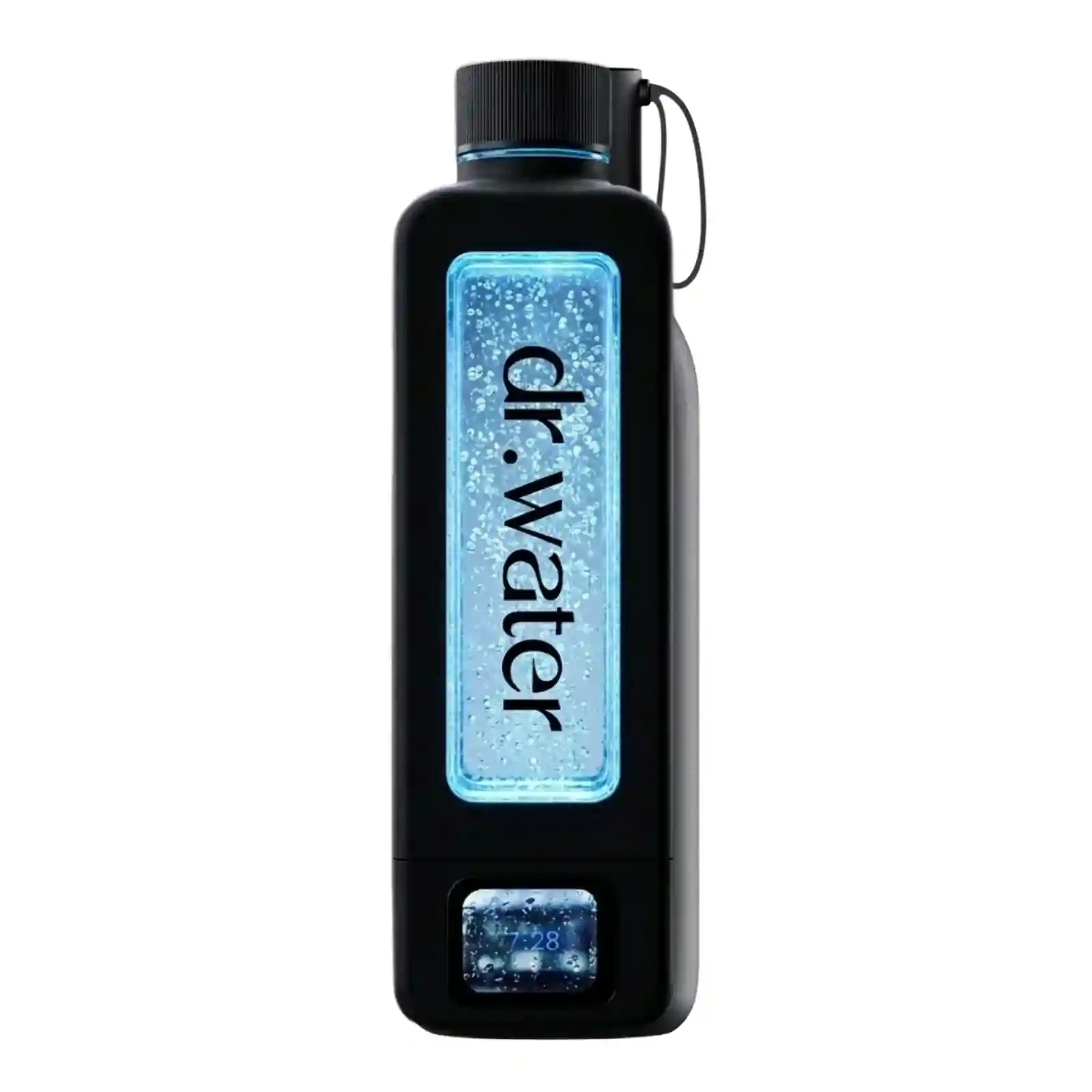
  1. Best overall: Dr. Water Hydrator Max
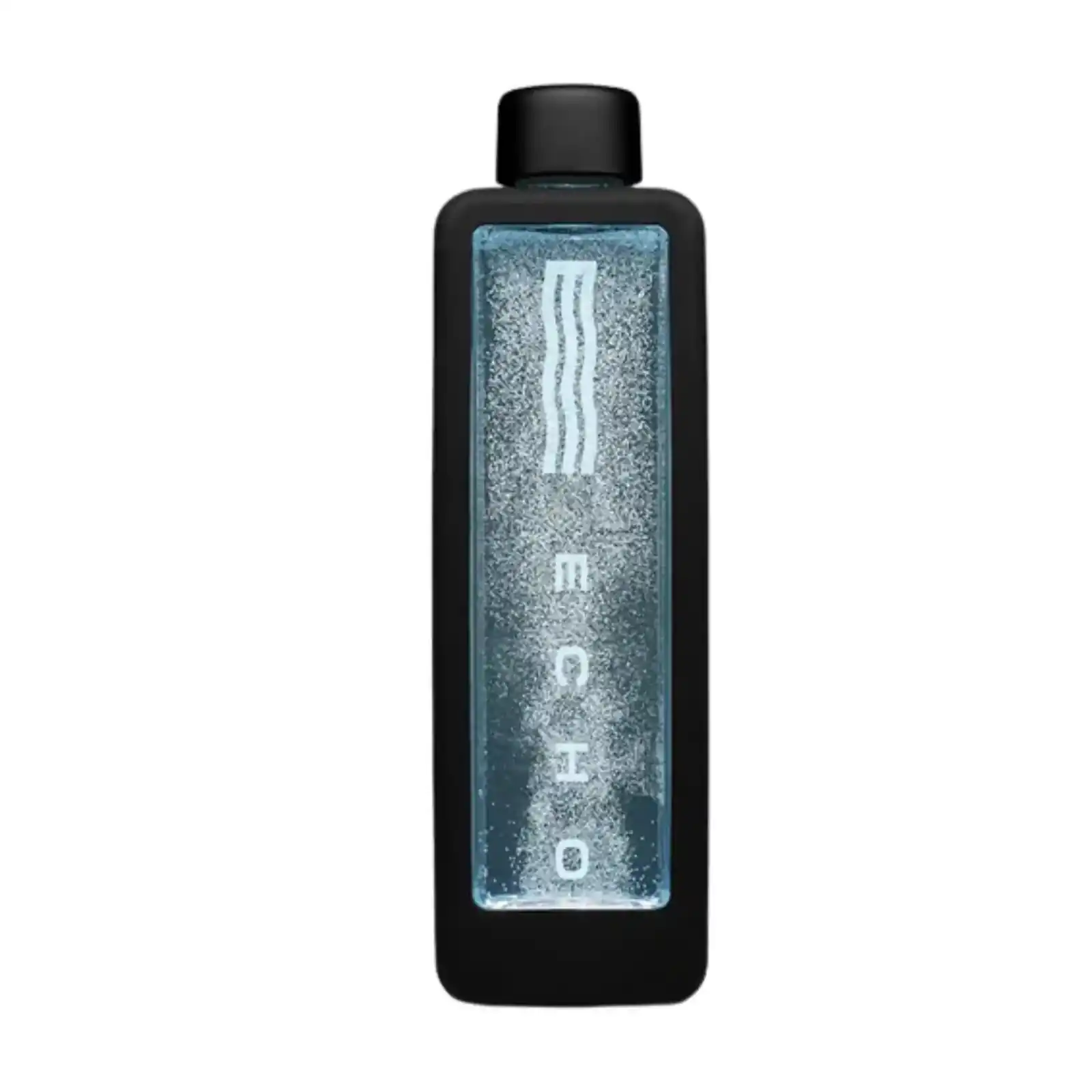
  2. Best smart option: ECHO Flask
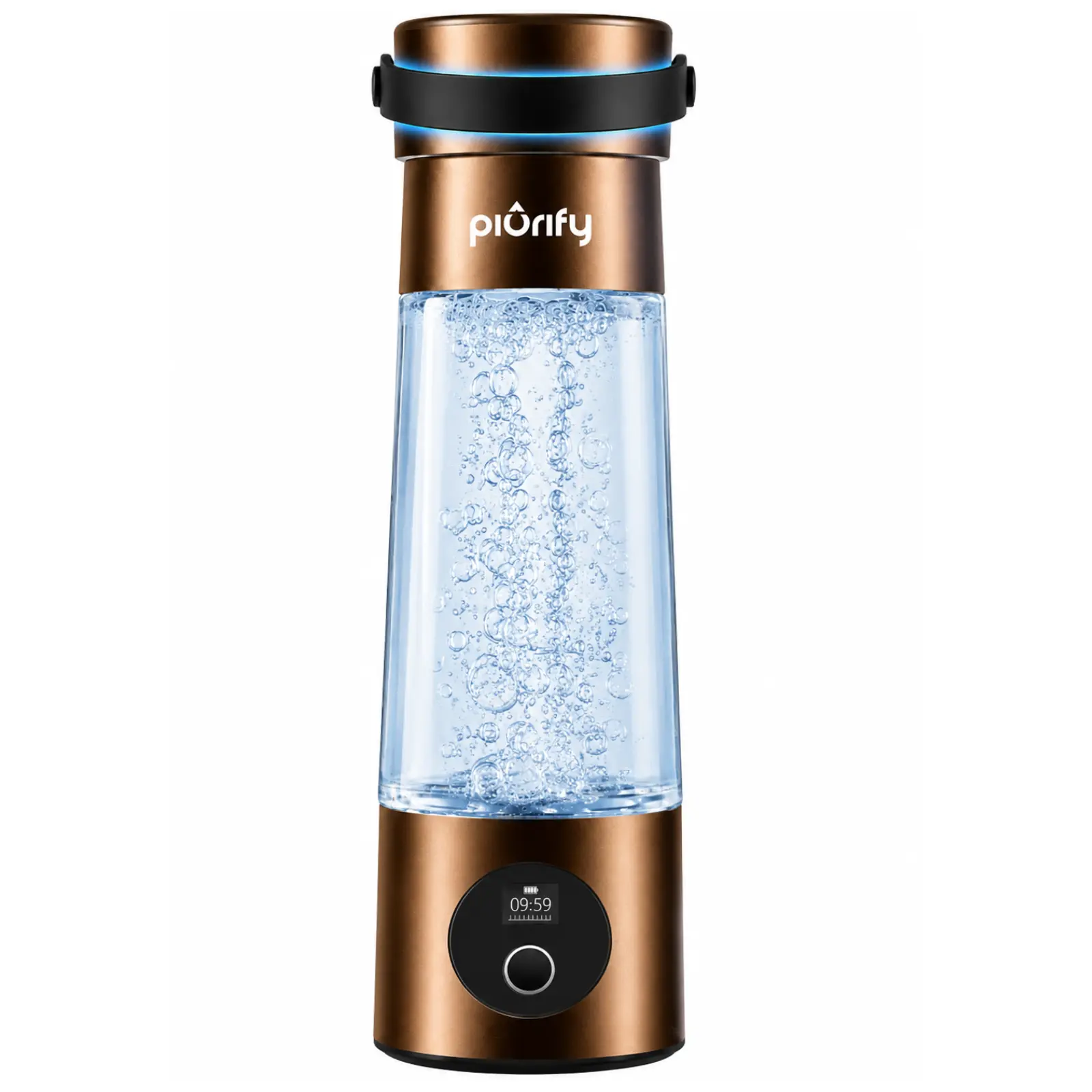
  3. Best high-capacity option: PIURIFY Hydrogenator Bottle
  4. Best budget option: Gosoit Hydrogen Water Bottle

Jump to Comparison Table

Dr. Water Hydrator
echo flask
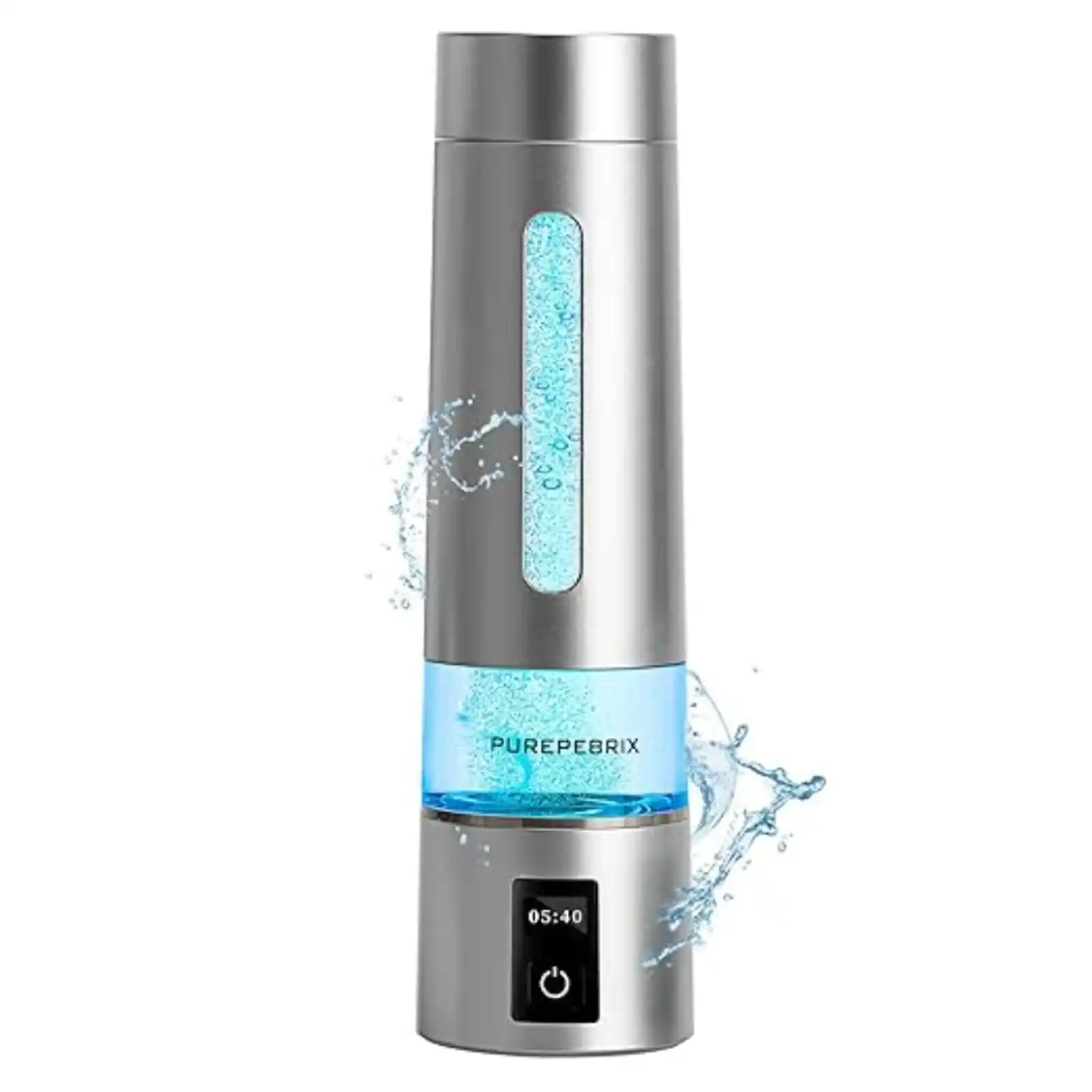
PUREPEBRIX
PIURIFY
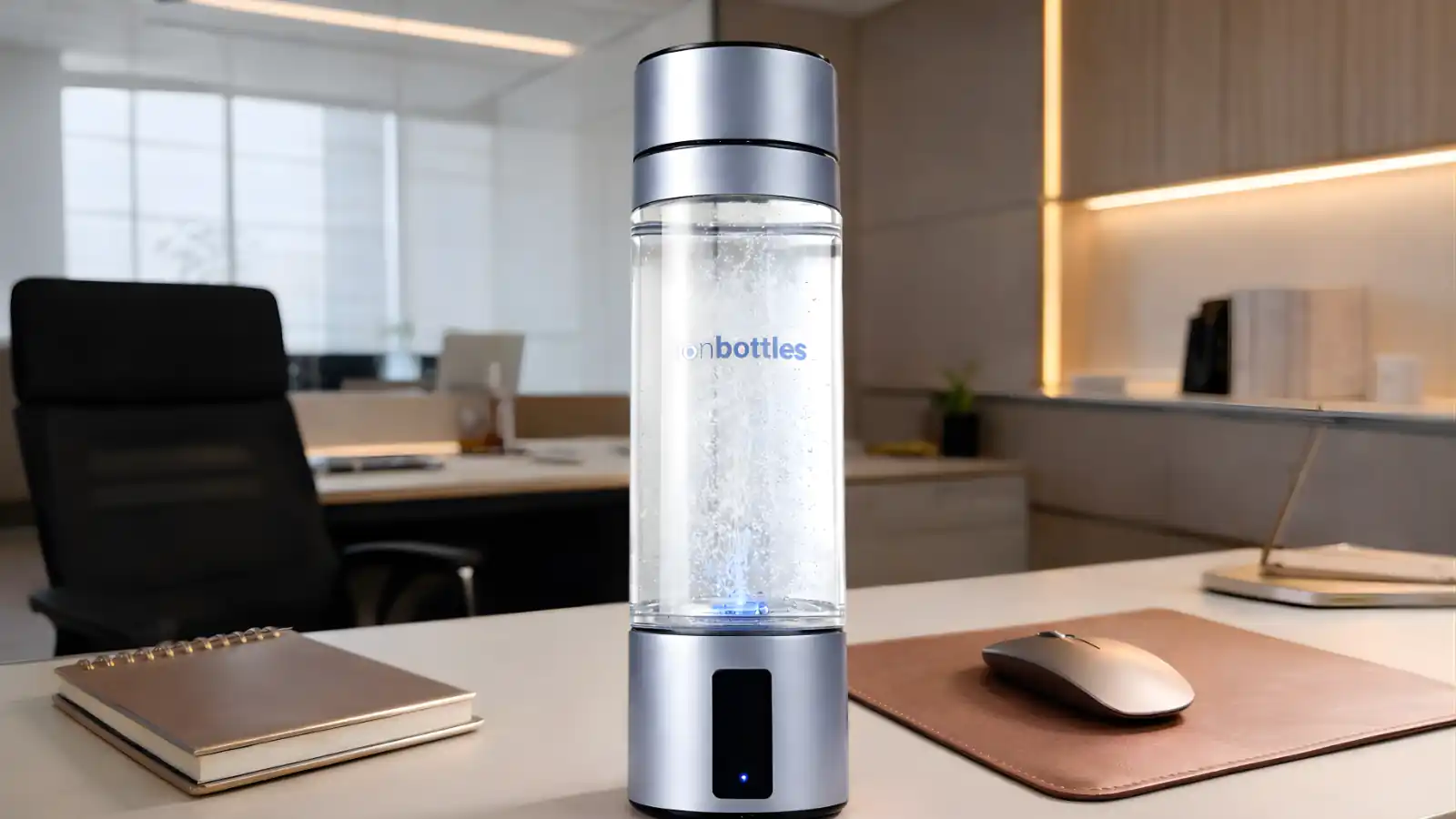
IonBottles
EVOLV 
LevelUpWay
Gosoit
Dr.Water Hydrator Max Hydrogen Water Bottle
Echo Flask hydrogen water bottle
purepebrix hydrogen water bottle
PIURIFY Hydrogen Water Bottle Generator
Ion Atom hydrogen water bottle
Evolv hydrogen water bottle
levelup hydrogen water bottle
gosoit hydrogen water bottle

Best Overall Pick

Best Smart Features

Best Premium Design

Best High-Capacity Pick

Best Premium Concentration

Best Build Quality

Best Battery Life

Best Entry Level

⭐ 9.8/10

⭐ 9.6/10

⭐9.5/10

⭐9.3/10

⭐9/10

⭐8.8/10

⭐8.5/10

⭐7/10

How This Guide Was Researched

I compared eight hydrogen water bottles using manufacturer specifications, available laboratory documents, product manuals, warranty information, and recurring customer feedback.

My focus was on the evidence behind hydrogen-output claims, SPE/PEM technology, materials, battery life, maintenance, and everyday usability.

I did not independently measure dissolved hydrogen output from these bottles. Manufacturer claims, published test results, and owner experiences are treated separately throughout this guide.

Understanding Hydrogen Water Bottles

Choosing the best hydrogen water bottle can be confusing. Every brand talks about high hydrogen concentration, better hydration, PEM/SPE technology, ORP, and health benefits, but not every bottle gives real value.

Hydrogen water is regular water infused with molecular hydrogen gas. It has become popular among athletes, wellness users and health-conscious consumers because researchers are studying molecular hydrogen for its possible effects on oxidative stress and exercise recovery.

Still, many claims are overhyped, so it’s important to understand the science, quality, safety, and actual performance before buying.

That’s why this guide gives you a balanced comparison of the best hydrogen water bottles based on research, hydrogen concentration, material safety, usability, battery life, build quality, and long-term value.

By the end, you should have a clearer understanding of which bottle best matches your budget, preferred capacity and intended use.

What Is Hydrogen Water?

best hydrogen water bottle

Hydrogen water is ordinary drinking water containing additional dissolved molecular hydrogen (H₂).

Researchers have investigated its potential effects on oxidative stress, inflammation, and exercise-related outcomes. However, the available human research remains limited, and findings should not be interpreted as proof that hydrogen water provides consistent health benefits for everyone.

Why People Are Interested in Hydrogen Water

Some consumers are interested in emerging research on molecular hydrogen, while others are curious about hydrogen-generating technology or want to explore a different hydration routine.

What Buyers Should Understand

Hydrogen water is not a substitute for safe drinking water, medical treatment, or appropriate nutrition.

A bottle’s advertised hydrogen concentration does not establish clinical effectiveness. Buyers should evaluate device performance, documentation, maintenance requirements, and cost separately from potential health claims.

For a closer examination of the scientific evidence, see our hydrogen water benefits guide.

How Do Hydrogen Water Bottles Work?

hydrogen water benefits

Hydrogen water bottles produce dissolved hydrogen gas through electrolysis, a process that splits water (H₂O) into hydrogen (H₂) and oxygen (O₂).

The resulting molecular hydrogen dissolves in the water. Researchers are studying its possible biological effects, but the concentration and stability of dissolved hydrogen can vary.

Studies indexed on PubMed have explored molecular hydrogen’s selective antioxidant effects, showing promising results for oxidative stress and inflammation reduction.

PEM/SPE Technology Explained

Many hydrogen water bottles use SPE (Solid Polymer Electrolyte) and PEM (Proton Exchange Membrane) technology to generate molecular hydrogen through electrolysis.

In a properly designed system, the membrane and electrode arrangement can help separate hydrogen generation from oxygen-producing reactions and manage electrolysis byproducts.

However, an SPE/PEM label alone does not prove that a bottle produces a particular hydrogen concentration or that its drinking water is free from unwanted substances.

Actual performance and safety depend on the device design, materials, water used, operating conditions, and supporting test evidence.

What the Technical Terms Mean

Term What It Means What Buyers Should Know
Dissolved H₂ Molecular hydrogen present in water Concentration requires an appropriate measurement method
PPB / PPM Concentration units Higher advertised numbers are not proof of better performance
ORP Oxidation-reduction potential Cannot reliably quantify dissolved H₂ concentration
PEM Proton Exchange Membrane Helps separate electrolysis processes in suitable device designs
SPE Solid Polymer Electrolyte Part of the electrolysis system; does not independently establish safety
Electrodes Components involved in electrolysis Materials and operating conditions affect device performance

Buyer takeaway: Look for documented hydrogen measurements and product-specific safety information rather than relying on technology labels alone.

Why PEM/SPE Matters for You

Using bottles with PEM/SPE technology means:

  • Cleaner hydrogen generation → less off-taste and chemical exposure
  • Safer water output → reduces risk of byproducts
  • More controlled hydrogen generation → potentially more consistent output
Term Meaning Why It Matters
H2 concentration Amount of dissolved hydrogen in water Higher levels may provide stronger antioxidant benefits
PPB Parts per billion Measures hydrogen concentration accurately
ORP Oxidation-Reduction Potential Negative ORP indicates reducing/antioxidant potential
PEM Proton Exchange Membrane Separates hydrogen from byproducts, ensuring cleaner water
SPE Solid Polymer Electrolyte Improves electrolysis efficiency and water safety
Electrolysis plate Component that generates hydrogen Determines performance, H2 output, and lifespan

Not all hydrogen water bottles are equal; PEM/SPE technology ensures cleaner, safer, and more consistent H₂, backed by research.

Are Hydrogen Water Bottles Worth the Cost?

Hydrogen Water Bottles

Who May Benefit Most

Hydrogen water bottles can be especially useful for:

  • Athletes: People interested in emerging research on exercise recovery.
  • Wellness users: Those who want to add molecular hydrogen to their normal hydration routine.
  • Biohackers: People interested in experimenting with nonessential wellness technology.
  • Travellers and professionals: Users who value portable, freshly generated hydrogen water.
  • Existing hydrogen-water users: Those who already understand the cost and maintenance involved.

Who Should Be Careful

Hydrogen water isn’t a miracle solution. Be cautious if you:

  • Expect instant medical results
  • Are sensitive to high product costs
  • Don’t want to clean or maintain the bottle
  • Rely on hydrogen water as a treatment instead of following medical advice

Cost vs. Value

Higher-priced bottles may offer better materials, longer warranties, larger batteries or more advanced controls, but price alone does not prove stronger hydrogen performance.

Lower-priced bottles may provide less documentation, shorter warranties or fewer details about their electrolysis components.

The best value comes from bottles that consistently generate hydrogen, are durable, easy to maintain, and backed by a reliable warranty.

If budget is a concern and you want a long-term investment instead, a hydrogen water machine may offer better value per liter over time.

How I Evaluated These Hydrogen Water Bottles

Hydrogen Water Bottles

A hydrogen water bottle should be evaluated on more than its advertised PPB number. For this guide, I focused on what manufacturers claim, what supporting documentation is available, and how practical each bottle appears for everyday ownership.

I compared eight bottles using official product specifications, available laboratory reports, manufacturer manuals, warranty information, and recurring customer feedback.

What I Looked For

  1. Hydrogen output evidence: Advertised dissolved-H₂ concentration, generation time, test methods, and available supporting reports.

  2. Technology: SPE/PEM system design, electrode information, and documentation about electrolysis byproducts.

  3. Materials: Identified water-contact materials and available safety documentation.

  4. Battery and charging: Charging method, cycle duration, and stated cycles per charge.

  5. Capacity and portability: Water volume, dimensions, carrying convenience, and documented leak resistance.

  6. Cleaning and maintenance: Manufacturer-approved cleaning methods, generator care, and replacement requirements.

  7. Warranty and support: Warranty coverage, exclusions, replacement parts, and customer-service information.

  8. Value: Price relative to documented features, evidence, and practical suitability.

How I Evaluated Performance Claims

I distinguished manufacturer-advertised PPB or PPM levels from results documented in laboratory reports.

Where reports were available, I considered the exact tested model, measurement method, water volume, generation cycle, and reported results. I did not assume that the highest advertised concentration automatically meant the best-performing bottle.

I also avoided treating ORP readings, bubbles, or digital display estimates as direct evidence of dissolved hydrogen concentration.

How I Used Customer Feedback

Owner feedback helped identify possible charging problems, leaks, cleaning difficulties, battery concerns, and durability issues.

These reports provide practical context but are not controlled laboratory tests. Individual complaints do not necessarily represent every unit.

How Recommendations Were Made

Each bottle was evaluated for a particular buyer need, including convenience, capacity, smart features, portability, available performance evidence, and value.

These are research-led editorial recommendations, not results from a standardized hands-on test of all eight devices. Where supporting evidence is incomplete, that limitation should remain visible to readers.

This article may contain affiliate links. As an Amazon Associate, I earn from qualifying purchases at no extra cost to you.

Top Pick

Dr. Water Hydrator Max

The Dr. Water Hydrator Max is the top pick because it offers the most complete overall package. With up to 10,000 ppb hydrogen output, plus UV mode, self-cleaning, and a smart touchscreen, it goes beyond basic hydration. For the most advanced, convenient, and performance-focused bottle, this one stands out.

Top Picks: Best Hydrogen Water Bottles Reviewed

Now let’s look at the hydrogen water bottles that actually stand out based on performance, build quality, and real user feedback. Each option below fits a different need and budget.

First, here’s a quick comparison before I break them down individually.

  1. Dr. Water Hydrator Max: Best for users who want the highest claimed hydrogen output in this comparison, together with UV, self-cleaning and touchscreen features.

  2. ECHO Flask: Best for users who want smart app tracking, touchscreen controls, and premium certification support in one high-tech hydrogen bottle.
  3. PUREPEBRIX: Best for people who want a sleek, compact bottle and care about “premium feel” + hydration habit support.
  4. Piurify: Best for users who want a larger 17 oz hydrogen bottle with up to 6,290 PPB in one 20-minute cycle, dual hydrogen modes, and easier grab-and-go portability.
  5. IonBottles ATOM: Best for providing premium hydrogen concentration (up to 5.0 PPM) in a compact and durable design, ideal for daily use and portability.
  6. EVOLV: Best for users who want consistent hydrogen output, strong build quality, and reliable daily performance.
  7. LevelUpWay: Best for users who want good battery life and are comfortable managing pressure release to avoid leakage.
  8. Gosoit: Best for casual users looking for a low-cost, entry-level hydrogen bottle for light, occasional use.

How I Score:

Each bottle is rated out of 10 based on six weighted criteria: Hydrogen Output (30%), Build & Material Safety (20%), Battery & Charging (20%), Ease of Use & Cleaning (15%), Warranty & Brand Support (10%), and Value for Money (5%). I did not personally laboratory-test every product. Scores are based on publicly available specifications, documentation, warranty information, customer feedback and available third-party evidence. Manufacturer claims are identified as such.

Dr. Water Hydrator
Echo flask
PUREPEBRIX
PIURIFY
IonBottles Atom
EVOLV 
LevelUpWay
Gosoit
Dr.Water Hydrator Max Hydrogen Water Bottle
Echo Flask hydrogen water bottle
Purepebrix hydrogen water bottle
PIURIFY Hydrogen Water Bottle Generator
Ion Atom hydrogen water bottle
Evolv hydrogen water bottle
levelupway hydrogen water bottle
gosoit hydrogen water bottle

Warranty

1-Year Warranty

5-Year Warranty

1-Year Warranty + Lifetime Technical Assurance

Lifetime Warranty

Lifetime Warranty Available

Not specified

1-Year Limited Warranty

Not specified

Material

BPA-Free Food-Grade PC & Medical-Grade Silicone

BPA-Free Shatter-Resistant Casing

BPA-Free Tritan Plastic

Food Grade Material

Tritan + Anodized Metal

Aircraft-Grade Aluminum

Stainless steel

Glass

Capacity

12 oz

12 oz

10 oz

17 oz

10 oz

8 oz

8 oz

16 oz

Leakproof

Yes

Yes (pressure release valve)

Yes

Not clearly specified

Yes (when properly closed)

Yes

Yes

Yes

My Score

⭐ 9.8/10

⭐ 9.6/10

⭐9.5/10

⭐ 9.3/10

⭐ 9/10

⭐ 8.8/10

⭐ 8.5/10

⭐ 7/10

Buy Now

Hydrogen output figures shown in this table are based on manufacturer specifications unless clearly labelled as independently verified. Actual dissolved hydrogen levels may vary depending on water quality, temperature, cycle duration and testing method.

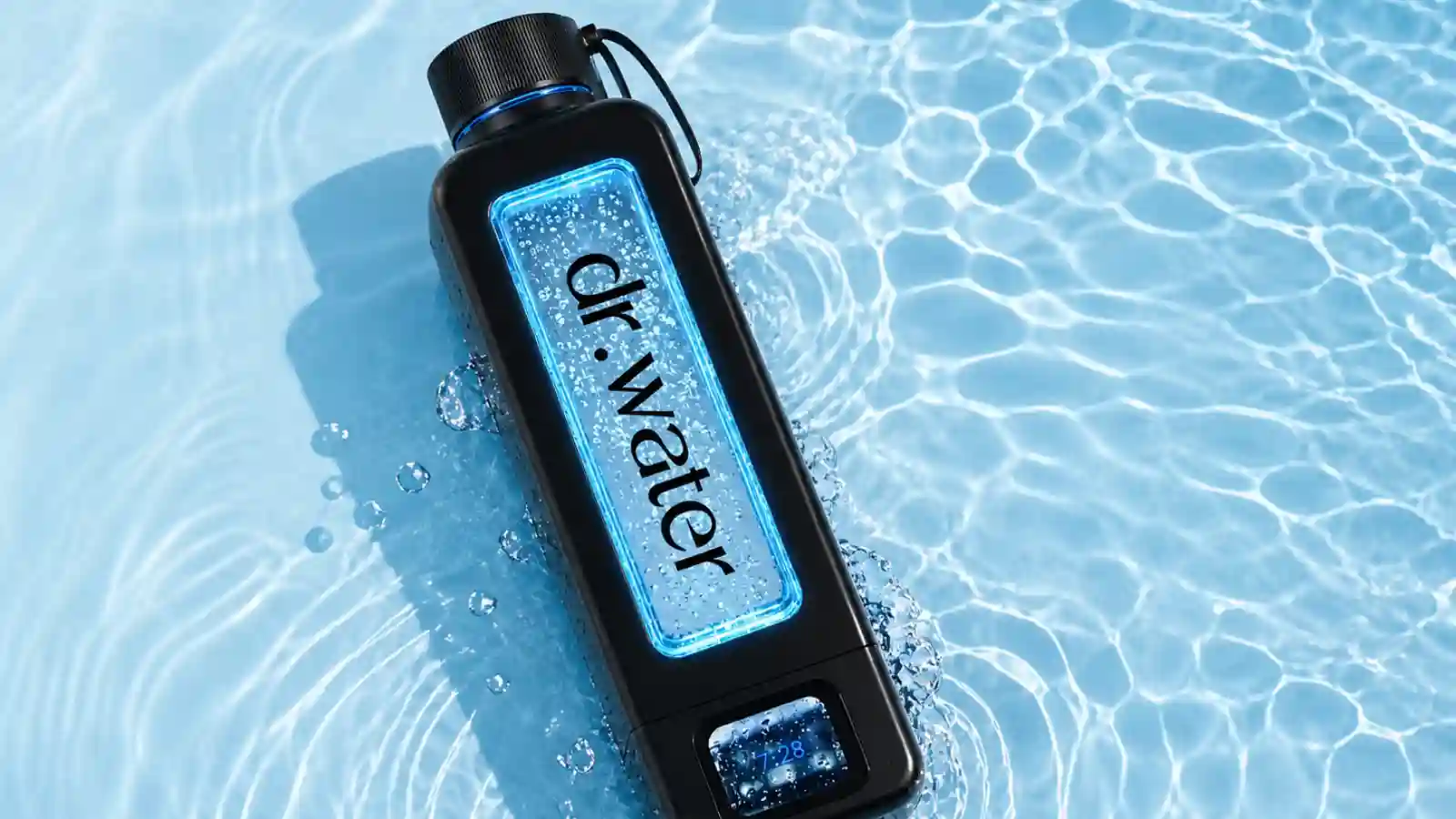
1. Dr.Water Hydrator Max | Best Overall

Dr.Water Hydrator Max

The Dr. Water Hydrator Max is the best overall pick for users who want high claimed hydrogen output, smart controls and convenient maintenance features in a compact bottle. It combines two generation cycles, USB-C charging, a touchscreen display, UV mode and a self-cleaning function.

PROS

  • Manufacturer claims up to 10,000 PPB hydrogen output

  • 5-minute and 10-minute generation cycles

  • Built-in UV mode

  • Self-cleaning function

  • Touchscreen controls

  • 4,500 mAh rechargeable battery

  • Compact and portable design

CONS

  • Small 12 oz / 350 ml capacity

  • Higher price than basic models

  • More electronic components than a simple one-button bottle

Best For

The Hydrator Max is best suited to users who want a compact hydrogen bottle with smart controls, multiple generation cycles and maintenance-focused features.

Skip It If

Choose another option if you need a larger bottle, have a limited budget or prefer a simpler design with fewer electronic components.

Hydrogen Generation and Technology

According to the manufacturer, the Hydrator Max can produce up to 10,000 PPB of dissolved molecular hydrogen. Actual output may vary depending on the selected cycle, water quality, temperature and testing method.

The bottle uses an SPE/PEM system with a DuPont® proton exchange membrane and double-sided titanium-platinum electrodes. This system is designed to separate hydrogen from oxygen and other electrolysis byproducts during generation.

Dr.Water Hydrator Max Hydrogen Water Bottle

Performance & Daily Use:

The Hydrator Max offers 5-minute and 10-minute cycles, allowing users to choose between faster preparation and a longer generation cycle. This makes it practical for preparing fresh hydrogen water at work, at the gym or while travelling.

Its 4,500 mAh battery and USB-C charging are useful for regular use, although the number of cycles per charge may depend on the selected operating mode.

Build and Design

The bottle is made with BPA-free food-grade polycarbonate and medical-grade silicone, according to the manufacturer. Its 12 oz / 350 ml capacity keeps it compact, but users who want a bottle for all-day hydration will need to refill it frequently.

The touchscreen provides access to the bottle’s operating modes, while the UV and self-cleaning functions are intended to make routine maintenance more convenient. Regular manual cleaning is still necessary according to the manufacturer’s instructions.

Dr.Water Hydrator Max Hydrogen Water Bottle

Drawbacks

The main limitation is capacity. At 12 oz / 350 ml, the bottle is better suited to freshly generated individual servings than storing a large amount of water throughout the day.

It is also more expensive than entry-level hydrogen bottles. The touchscreen, UV mode and other electronic features may appeal to technology-focused buyers, but they also make the design more complex than a basic one-button model.

Dr.Water Hydrator Max Hydrogen Water Bottle

Verdict

The Dr. Water Hydrator Max offers one of the most complete feature sets in this comparison. Its high claimed hydrogen output, touchscreen controls, large rechargeable battery, UV mode and self-cleaning function make it a strong premium option.

Its smaller capacity and higher price will not suit every buyer, but it provides a good balance of portability, technology and everyday convenience.

2. ECHO Flask | Best Smart Option

ECHO Flask

The ECHO Flask is the best smart option for users who want high claimed hydrogen concentration, touchscreen controls, health-app connectivity and extended warranty support. It offers two generation cycles, USB-C charging and a pressure-release system in a compact 12 oz bottle.

PROS

  • Manufacturer claims up to 8 PPM hydrogen concentration

  • 10-minute and 20-minute generation cycles

  • Touchscreen display

  • Bluetooth and health-app connectivity

  • BPA-free, shatter-resistant casing

  • Oxygen outlet and pressure-release valve

  • Five-year warranty

  • H2 Analytics testing or certification information listed by the brand

CONS

  • High purchase price

  • Approximately seven cycles per charge

  • Maximum claimed output requires a 20-minute cycle

  • More electronic components than a basic hydrogen bottle

  • Some customers report charging, battery or display problems

Best For

The ECHO Flask is best suited to users who value smart controls, app connectivity, high claimed hydrogen concentration and longer warranty support.

Skip It If

Choose another bottle if you have a limited budget, need a larger capacity, want faster maximum-output cycles or prefer a simple one-button device without app features.

Hydrogen Generation and Technology

According to the manufacturer, the ECHO Flask can generate up to 6 PPM of dissolved molecular hydrogen during a 10-minute cycle and up to 8 PPM during a 20-minute cycle. Actual concentration may vary depending on water quality, temperature, cycle duration and testing conditions.

The bottle uses a proton exchange membrane system with platinum- and titanium-plated components. It also includes an oxygen outlet and pressure-release valve designed to help manage gases and pressure produced during electrolysis.

The longer cycle provides the highest claimed concentration, but users who want faster preparation may find the 20-minute waiting time inconvenient.

What the Published Lab Report Shows

ECHO provides a January 16, 2025 H2 Analytics laboratory report for the Echo Flask.

While reviewing the Echo Flask’s published laboratory documentation, I focused on more than the advertised PPM figure. I checked the tested model, measurement method, cycle duration, and reported average results to understand exactly what the evidence supports.

The reported mean dissolved hydrogen concentrations were:

  1. 10-minute cycle: 6.07 mg/L (approximately 6.07 PPM).

  2. 20-minute cycle: 8.25 mg/L (approximately 8.25 PPM).

These findings provide more specific support than an advertised concentration figure alone. However, they describe the submitted bottle under the reported laboratory conditions. They do not guarantee that every retail unit will produce identical results with different water types or operating conditions.

For buyers comparing hydrogen bottles, the important distinction is between a documented test result and a concentration advertised without comparable supporting details.

ECHO Flask Hydrogen Water Bottle

Smart Features

The ECHO Flask includes touchscreen controls, Bluetooth connectivity and support for Apple Health and Android health platforms. It also offers light and dark display modes.

These features may be useful for users who already track hydration, activity or other wellness data. Buyers who only want a simple way to prepare hydrogen water may not find the app functions necessary.

Build and Daily Use

The bottle uses a BPA-free, shatter-resistant casing, making it less fragile than many glass alternatives. Its compact design is suitable for a work desk, gym bag or travel use.

The 12 oz capacity is practical for preparing individual servings, but it is too small to function as an all-day hydration bottle without frequent refilling.

ECHO Flask Hydrogen Water Bottle

Battery and Charging

The ECHO Flask uses USB-C charging and reportedly provides around seven generation cycles per charge. This may be sufficient for light or moderate daily use, but it is not especially strong battery performance for a premium-priced bottle.

Customer feedback appears mixed. Some users report satisfactory operation, while others mention battery, charging, LED or touchscreen problems. These reports do not affect every unit, but they are worth considering because the bottle contains several electronic features.

Safety Information and Documentation

The brand highlights BPA-free materials, an oxygen-release port, a pressure-release valve and testing or certification information from H2 Analytics. It also states that the bottle is designed to avoid chlorine, heavy metals, PFAS and unwanted pH changes.

These points are based on brand documentation unless independently verified evidence is clearly provided. Buyers should review the available reports and warranty terms before purchasing.

ECHO Flask Hydrogen Water Bottle

Drawbacks

Price is the main limitation. At approximately $300, the ECHO Flask costs considerably more than basic hydrogen water bottles and may not be suitable for first-time buyers.

The maximum claimed 8 PPM concentration also requires a 20-minute cycle. Its touchscreen, Bluetooth connection and app integration add useful functionality for some users, but they also increase complexity and create more potential points of failure.

Verdict

The ECHO Flask is a premium choice for users who want high hydrogen output, smart tracking, and stronger safety support in one bottle.

It is expensive, but if you want a high-tech hydrogen bottle with app features and a 5-year warranty, this one is worth considering.

3. PUREPEBRIX Hydrogen Water Bottle | Best for Multiple Generation Modes

Untitled design 36

PUREPEBRIX

The PUREPEBRIX Hydrogen Water Bottle is designed for users who want a compact bottle with several hydrogen-generation cycles. It combines SPE/PEM electrolysis, an OLED display, rechargeable operation and a lightweight 10 oz Tritan body.

PROS

  • Manufacturer claims up to approximately 8,160 PPB

  • Four generation cycles

  • SPE/PEM electrolysis technology

  • Platinum-iridium electrodes

  • OLED operation display

  • Up to 20 cycles per charge, according to the product details

  • BPA-free Tritan construction

  • Detachable generator base

CONS

  • Small 10 oz capacity

  • Highest claimed output requires a 20-minute cycle

  • Plastic construction may not appeal to glass or stainless-steel buyers

  • Maximum output figures require independent verification

  • May cost more than basic one-cycle models

Best For

PUREPEBRIX is best suited to users who want multiple generation cycles, portable construction and a display that makes it easy to monitor operation.

Skip It If

Choose another bottle if you need a larger capacity, prefer glass or stainless steel, want a shorter maximum-output cycle or do not need multiple electronic modes.

Hydrogen Generation and Technology

According to the product specifications, PUREPEBRIX uses SPE/PEM electrolysis with platinum-iridium electrodes to generate dissolved molecular hydrogen.

The bottle provides four operating modes:

  • 5-minute cycle: Up to 4,340 PPB
  • 10-minute cycle: Up to 6,590 PPB
  • 15-minute cycle: Up to 7,430 PPB
  • 20-minute cycle: Up to 8,160 PPB

These figures are manufacturer claims unless supported by independent testing. Actual concentration may vary according to water quality, temperature, water volume and measurement conditions.

The different cycles allow users to choose between faster preparation and a higher claimed concentration. However, achieving the maximum stated output requires waiting for the full 20-minute cycle.

PUREPEBRIX Hydrogen Water Bottle

Design and Build

PUREPEBRIX uses a BPA-free Tritan bottle with a 10 oz capacity. Its lightweight construction makes it easy to carry in a work bag, gym bag or travel case.

The detachable generator base may make handling and maintenance more convenient, while the OLED display shows the operating process and selected generation mode.

The smaller capacity supports portability but also means users may need to refill the bottle several times during the day.

Battery and Daily Use

The bottle uses a rechargeable battery with USB charging. According to the product information, it can provide up to 20 generation cycles per charge, although actual battery performance may depend on the selected cycle length and usage conditions.

Operation is straightforward:

  1. Fill the bottle with water permitted by the manufacturer.
  2. Select the preferred generation cycle.
  3. Allow the cycle to finish.
  4. Drink the water soon after generation.

The multiple operating modes provide more control than a basic one-cycle bottle, but users choosing the longer settings will need to allow additional preparation time.

PUREPEBRIX Hydrogen Water Bottle

Drawbacks

The 10 oz capacity is the main practical limitation. It is suitable for freshly prepared individual servings but not for carrying a full day’s water supply.

The bottle also uses Tritan plastic rather than glass or stainless steel. Although the material is listed as BPA-free, buyers who specifically prefer a glass or metal bottle may want to consider another option.

Its highest claimed concentration requires a 20-minute cycle, which may be inconvenient for users who want hydrogen water prepared quickly.

Verdict

The PUREPEBRIX Hydrogen Water Bottle offers a useful balance of portability, adjustable generation cycles and rechargeable operation. Its OLED display and four cycle options make it more flexible than basic hydrogen bottles.

Its small capacity and longer high-output cycle are the main compromises. It is a suitable option for users who prioritize control over cycle duration and claimed hydrogen concentration rather than bottle size.

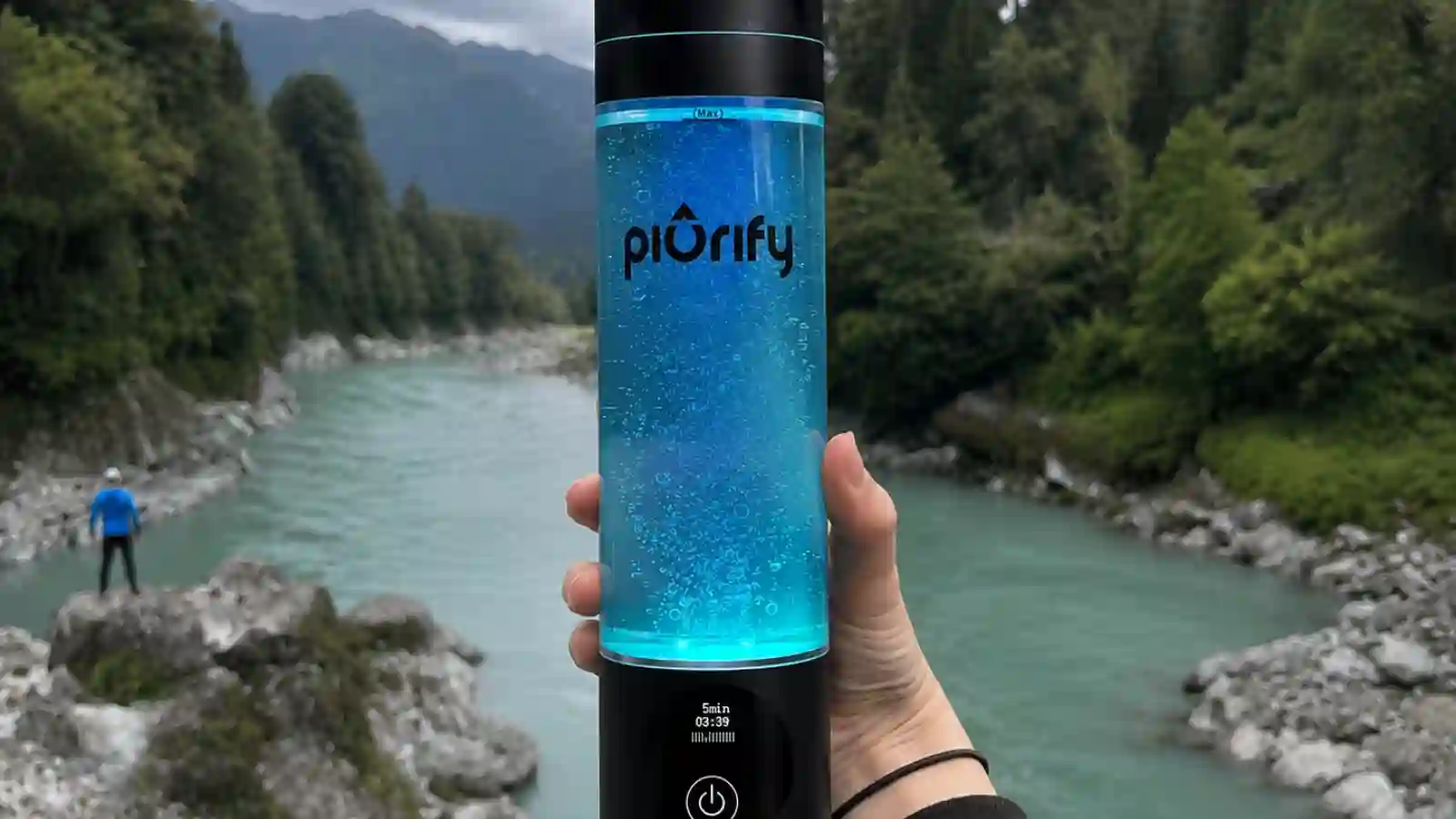
4. PIURIFY Hydrogenator Bottle with Handle | Best High-Capacity Option

PIURIFY Hydrogenator Bottle

The PIURIFY Hydrogenator Bottle with Handle is designed for users who want more capacity than a typical 8–12 oz hydrogen bottle. It combines a 17 oz / 500 ml body, two main generation cycles, an integrated carry handle and a 2,200 mAh rechargeable battery.

PROS

  • Large 17 oz / 500 ml capacity

  • Manufacturer claims up to 6,290 PPB from one 20-minute cycle

  • Up to 9,970 PPB claimed after two consecutive deep cycles

  • 10-minute and 20-minute operating modes

  • Advanced SPE/PEM electrolysis

  • Integrated carry handle

  • Ventilation and drainage system

  • Up to 10 shorter cycles per charge

  • H2 Analytics and H2 HUBB certification listed

  • Lifetime warranty listed by PIURIFY

CONS

  • Maximum claimed output requires two consecutive 20-minute cycles

  • Larger and heavier than compact 8–12 oz bottles

  • Polycarbonate construction rather than glass or stainless steel

  • Leak-resistant or leakproof status is not clearly documented

  • Warranty conditions should be reviewed before purchase

Best For

The PIURIFY Hydrogenator Bottle is best suited to users who prioritize larger capacity, fewer refills and flexible generation cycles.

Skip It If

Choose another bottle if you want the smallest possible design, prefer glass or stainless steel, need maximum hydrogen concentration quickly or require clearly documented leakproof performance.

Hydrogen Generation and Technology

According to PIURIFY, the bottle uses SPE/PEM electrolysis to generate dissolved molecular hydrogen while separating electrolysis gases and other byproducts.

The available generation modes include:

  • 10-minute cycle: Up to 4,240 PPB
  • 20-minute cycle: Up to 6,290 PPB
  • Two consecutive 20-minute cycles: Up to 9,970 PPB

These figures are manufacturer claims unless clearly supported by independent testing. Actual concentration may vary depending on water quality, temperature, water volume and measurement conditions.

For comparison purposes, the claimed 6,290 PPB result from one 20-minute cycle is more representative of normal use. Reaching the maximum 9,970 PPB figure requires approximately 40 minutes of total generation time.

PIURIFY Hydrogenator Bottle

Design and Capacity

The bottle has a 17 oz / 500 ml food-grade polycarbonate body, giving it considerably more capacity than most compact hydrogen bottles in this comparison.

Its integrated handle makes the larger bottle easier to carry between home, work and the gym. However, the additional capacity also makes it bulkier than smaller 8–12 oz models.

The plastic construction helps keep its weight manageable, but buyers who specifically prefer glass or stainless steel may want to consider another option.

Battery and Daily Use

The PIURIFY bottle uses a 2,200 mAh rechargeable battery with USB charging. According to the product information, it can provide up to ten shorter generation cycles per charge.

Actual battery performance may vary according to cycle duration and usage conditions. Longer or consecutive deep cycles will naturally consume more battery power and require additional preparation time.

The larger capacity reduces the need for frequent refilling, making it practical for users who find smaller hydrogen bottles inconvenient.

Ventilation, Testing and Warranty

The bottle includes a ventilation and drainage system designed to help manage gases and liquid byproducts produced during electrolysis.

PIURIFY also lists testing references from H2 Analytics and H2 HUBB. Buyers should review the available reports to determine which claims were tested, the conditions used and whether the results apply to the current bottle model.

The brand lists lifetime warranty coverage, but the exact terms, exclusions and registration requirements should be checked before purchasing.

PIURIFY Hydrogenator Bottle

Drawbacks

  1. The main compromise is preparation time. Although the bottle advertises a maximum of 9,970 PPB, reaching this figure requires two consecutive 20-minute cycles. Users wanting faster preparation may prefer the 10-minute mode, but it has a lower claimed concentration.
  2. The 17 oz body is useful for reducing refills, although it is less compact than smaller travel bottles. Its polycarbonate construction may also be less appealing to buyers who prefer glass or metal.
  3. Leakproof performance is not clearly specified in the available product details, so users planning to carry it inside a bag should review current customer feedback and manufacturer guidance.

Verdict

The PIURIFY Hydrogenator Bottle is worth considering for buyers who prioritize capacity and flexible generation cycles over the smallest possible design.

Its 17 oz capacity and integrated handle make it more practical for users who dislike frequently refilling compact hydrogen bottles. However, its highest advertised hydrogen concentrations require longer generation times, and the relevant claims should be evaluated against the available laboratory documentation.

The main trade-offs are preparation time, larger size, and the need to confirm current warranty and leak-resistance details before purchasing.

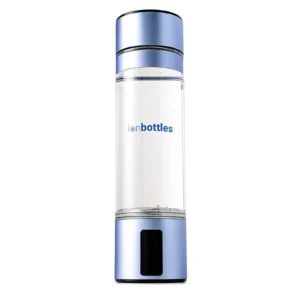
5. IonBottles ATOM™ Hydrogen Water Bottle | Best Premium Concentration

Ion Atom hydrogen water bottle

IonBottles ATOM™

The IonBottles ATOM features a medical-grade electrolysis system for up to 5.0 PPM hydrogen concentration. Built with durable Tritan® and anodized metal, it’s designed for portability and a dual-chamber vent to ensure safe, clean water.

PROS

  • Manufacturer claims up to 5.0 PPM hydrogen concentration

  • SPE/PEM electrolysis system

  • Dual-chamber vent design

  • BPA-free Tritan® and anodized-metal construction

  • Compact 10 oz size

  • Simple one-touch operation

  • Rechargeable battery

  • CE and RoHS compliance listed by the brand

  • Hydrogen testing documentation reportedly available

CONS

  • Small 10 oz capacity

  • Higher price than entry-level models

  • Exact battery capacity and cycles per charge are not clearly stated

  • Maximum hydrogen output requires supporting test conditions

  • Not suitable as an all-day hydration bottle

Best For

The IonBottles ATOM™ is best suited to users who want a compact bottle with high claimed hydrogen concentration, durable materials and straightforward one-touch operation.

Skip It If

Choose another option if you need a larger capacity, want detailed battery specifications, have a limited budget or require independently verified performance data before purchasing.

Hydrogen Generation and Technology

According to the manufacturer, the IonBottles ATOM™ can generate up to 5.0 PPM of dissolved molecular hydrogen using an SPE/PEM electrolysis system.

The bottle also includes a dual-chamber vent designed to release oxygen and help prevent electrolysis gases from mixing with the drinking water. This focuses on gas separation rather than relying only on visible bubbles as evidence of hydrogen production.

The 5.0 PPM figure should be treated as a manufacturer claim unless the available laboratory report clearly identifies the bottle model, water volume, cycle duration and testing method. Actual concentration may vary according to water quality, temperature and operating conditions.

Ion Atom hydrogen water bottle

Build and Capacity

The bottle is made from BPA-free Tritan® with anodized-metal components. This combination keeps it lighter and less fragile than a glass bottle while providing a more substantial construction than basic plastic models.

Its 10 oz capacity makes it suitable for individual servings and carrying in a work bag, gym bag or car cup holder. However, users who want to carry a large amount of water throughout the day will need to refill it frequently.

The clean, minimal design and one-touch operation make it relatively straightforward to use without navigating multiple controls or app settings.

Daily Use

Operation involves filling the bottle with water approved by the manufacturer, pressing the control button and allowing the electrolysis cycle to finish.

Because dissolved hydrogen gradually escapes after generation, the water should generally be consumed shortly after the cycle ends. Users should follow the product manual for suitable water types, cleaning and operating instructions.

The compact format works well for freshly generated servings at a desk, gym or while travelling, but it is not intended to replace a larger everyday water bottle.

Battery & Charging

The ATOM uses a rechargeable battery intended to support multiple generation cycles. However, the available description does not provide a clear battery capacity, charging duration or confirmed number of cycles per charge.

For a fair comparison, buyers should check the current product documentation for:

  • Battery capacity
  • Charging method
  • Approximate charging time
  • Number of cycles per charge
  • Battery warranty or replacement policy

Without these details, claims such as “long-lasting battery” should be treated cautiously.

800x400 800 x 450 px 44 1

Safety Information and Documentation

IonBottles lists the ATOM as CE certified, RoHS compliant, BPA-free and supported by hydrogen testing documentation.

CE and RoHS information may provide useful details about regulatory and environmental compliance, but these labels do not independently prove the bottle’s hydrogen concentration or long-term performance.

Drawbacks

The bottle’s 10 oz capacity is its main practical limitation. It works for freshly generated individual servings but requires frequent refilling compared with larger models.

It also costs more than many basic hydrogen bottles. The premium price may be reasonable for buyers who value its materials, vent system and claimed concentration, but the lack of clearly stated battery specifications makes the overall value harder to assess.

Verdict

The IonBottles ATOM™ combines a high manufacturer-claimed hydrogen concentration with compact construction, durable materials and a dual-chamber vent system. Its simple operation may appeal to users who do not need app connectivity or multiple display modes.

Its small capacity, premium price and unclear battery specifications are the main compromises. It is a promising compact option, but buyers should review the available hydrogen test report and current warranty details before making a decision.

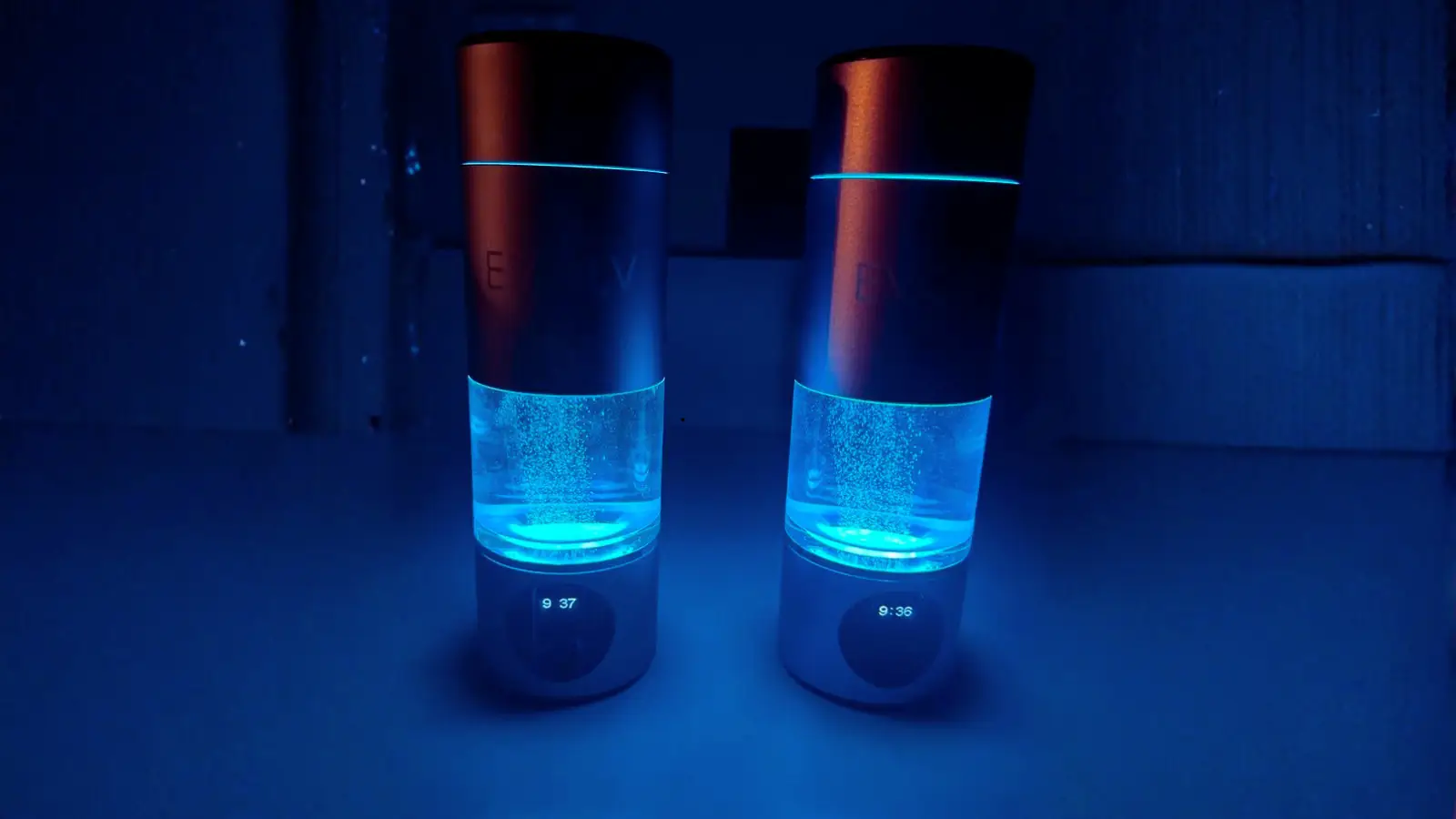
6. EVOLV Hydrogen Water Bottle | Best Build Quality

EVOLV Hydrogen Water Bottle

EVOLV Hydrogen

The EVOLV Hydrogen Water Bottle is a compact premium option with an aircraft-grade aluminium body, magnetic charging and an 8 oz capacity. Its sealed design makes it suitable for users who prioritise portability and solid construction.

PROS

  • Aircraft-grade aluminium body

  • Compact and travel-friendly

  • Magnetic charging

  • Simple operation

  • Leak-resistant sealed design

  • SPE/PEM electrolysis technology

CONS

  • Small 8 oz capacity

  • May require frequent charging

  • Narrow body can be harder to clean

  • Limited technical performance details

Best For

EVOLV is best for users who want a compact bottle with durable construction, simple controls and convenient magnetic charging.

Skip It If

Choose another model if you need a larger capacity, clearly documented hydrogen output or longer battery life.

Performance and Daily Use

EVOLV uses SPE/PEM electrolysis (Springer Reference) to produce dissolved molecular hydrogen. Each cycle reportedly takes around 5–10 minutes, making it suitable for preparing fresh individual servings during the day.

Customer feedback commonly describes the water as clean-tasting without an unusual aftertaste. However, the available information does not clearly state its hydrogen concentration, test conditions or independently verified output.

EVOLV Hydrogen Water Bottle

Build, Battery and Cleaning

The aluminium body feels more durable than many lightweight plastic bottles. Its compact size makes it easy to carry, but the 8 oz capacity means frequent refilling and multiple cycles may be necessary.

The magnetic charger is convenient, although battery feedback appears mixed. Some users report only around four cycles per charge. Its narrow size may also make thorough cleaning more difficult.

Verdict

EVOLV stands out for its sturdy aluminium construction, portability and straightforward operation. Its small capacity, mixed battery feedback and limited performance documentation are the main drawbacks.

It is worth considering for build quality and travel use, but buyers should verify the latest hydrogen-output specifications and warranty before purchasing.

7. LevelUpWay Hydrogen Water Bottle | Best Battery Life

Untitled design 23

LevelUpWay

The LevelUpWay Hydrogen Water Bottle is an affordable stainless-steel option with rechargeable operation and moderate hydrogen output. It may suit careful users who do not mind releasing pressure after each cycle.

PROS

  • Stainless-steel construction

  • Easy charging

  • Decent battery performance

  • Moderate water capacity

  • Around 1,080–1,100 PPB reported after an 18-minute cycle

  • More affordable than premium models

CONS

  • Leakage reported by some users

  • Pressure may need to be released after each cycle

  • Requires careful filling and lid tightening

  • Output is lower than many premium bottles

  • Product consistency may vary

Best For

LevelUpWay is best for budget-conscious users who want stainless-steel construction, acceptable battery life and moderate hydrogen output.

Skip It If

Choose another bottle if you want higher hydrogen concentration, consistent leakproof performance or a simpler design requiring less careful handling.

Performance and Daily Use

User-reported measurements suggest hydrogen levels of approximately 1,080–1,100 PPB after an 18-minute cycle. This is lower than the output claimed by many premium bottles, but may be sufficient for buyers seeking a basic entry-level option.

Charging is straightforward, and some users report satisfactory long-term battery and product performance. However, these experiences may vary between units.

LevelUpWay Hydrogen Water Bottle

Build and Leakage Concerns

The stainless-steel construction gives the bottle a more durable feel than basic plastic models. However, it requires careful handling during operation.

Users should avoid overfilling or overtightening the lid. Some customer feedback mentions leaks from the lid or base, especially when pressure is not released after a cycle. Always follow the manufacturer’s pressure-release and filling instructions.

Verdict

LevelUpWay offers reasonable performance and battery life for its price, but it is not as effortless or consistent as higher-priced models.

Its main drawback is the risk of leakage and pressure buildup. It can be a practical entry-level choice for users willing to follow the operating instructions carefully.

8. Gosoit Hydrogen Water Bottle | Best Entry-Level Option

Untitled design 25

Gosoit Hydrogen

The Gosoit Hydrogen Water Bottle is an affordable option with a 16 oz capacity, simple one-button operation and a quick 1–3 minute generation cycle. At around $52, it may suit beginners who want to try hydrogen water without purchasing a premium model.

PROS

  • Affordable price

  • Large 16 oz capacity

  • Quick 1–3 minute cycle

  • Simple operation

  • Rechargeable battery

  • Easy to carry

CONS

  • Low user-reported hydrogen output

  • Difficult to clean thoroughly

  • Output may decline over time

  • Battery performance is average

  • Material description should be verified

Best For

Gosoit is best for beginners who want an affordable, easy-to-operate bottle with a larger capacity.

Skip It If

Choose another model if you want high verified hydrogen output, easier cleaning or stronger long-term performance.

Performance and Battery

Some users report hydrogen readings of around 300 PPB after a standard cycle. This is considerably lower than the claimed output of many premium bottles, and the measurement conditions are not clearly documented.

The bottle reportedly provides around 12 cycles per full charge and takes approximately two hours to recharge. Some users also mention reduced bubble production after several months, although visible bubbles alone do not confirm hydrogen concentration.

Gosoit Hydrogen Water Bottle

Design and Cleaning

The 16 oz capacity is larger than many compact hydrogen bottles, making it useful for users who want fewer refills. However, available descriptions appear inconsistent about whether the body is glass or Tritan, so the material should be confirmed before publishing.

Cleaning is the main practical drawback. The lower section is difficult to access, which may allow residue to collect around the generator base. Users should follow the manufacturer’s cleaning instructions rather than using lemon or other cleaners unless specifically approved.

Verdict

The Gosoit Hydrogen Water Bottle provides a low-cost introduction to portable hydrogen water. Its large capacity and quick cycle are useful, but its low reported output, difficult cleaning and uncertain long-term performance limit its value.

It is suitable for casual use, but buyers expecting premium performance should consider a better-documented model.

How to Choose the Best Hydrogen Water Bottle

Choosing the right hydrogen water bottle doesn’t have to be confusing. Here’s what really matters, explained simply:


1. H₂ Concentration

  • Compare the claimed concentration, cycle duration, water volume, testing method and whether the result was independently supported. A high PPB number without clear test conditions should be treated cautiously.

2. ORP Rating

  • Negative ORP indicates antioxidant potential.
  • ORP may provide supporting information, but it should not be used as a substitute for a dissolved-hydrogen measurement.

3. PEM/SPE Technology

  • Must-have feature for clean hydrogen.
  • Avoid bottles that don’t clearly mention their electrolysis tech.

4. Material Quality

  • Options: Borosilicate glass, Tritan plastic, 316 stainless steel.
  • Look for clearly identified, food-contact-safe materials such as BPA-free Tritan, borosilicate glass or suitable stainless steel.

5. Battery & Charging

  • Check cycles per charge and battery lifespan.
  • USB-C is convenient; faster charging helps on the go.

6. Bottle Capacity

  • Small bottles are portable; larger bottles are better for home/desk.
  • Pick what fits your routine.

7. Portability & Leak-Proof Design

  • Look for light weight, good grip, secure lid, and gym/office-friendly design.
  • Read reviews to confirm leak reliability.

8. Cleaning & Maintenance

  • Easy-to-clean bottles save time.
  • Descale regularly to protect the electrolysis plates.

9. Brand Reputation & Warranty

  • Check reviews, warranty, replacement parts, and customer support.
  • An established brand with clear warranty terms and accessible customer support may offer greater confidence for long-term ownership.

10. Avoid Exaggerated Health Claims

  • Skip bottles promising cure-all, instant disease reversal, or detox magic.
  • Hydrogen water supports hydration and recovery, not medical treatment.

Maintenance, Care and Longevity Tips

portable hydrogen water bottle

Buying a hydrogen water bottle is one thing. Using it properly is what actually determines how long it lasts.

Some problems, including reduced output, leaks and mineral buildup, may be linked to incorrect setup or maintenance. Other issues may result from the product’s design or manufacturing quality.

Let’s go step by step.

First Setup

When you first get your bottle, charge it fully. Even if it has some battery, start with a full charge.

Rinse it with clean water, then run one full cycle and discard that water. This clears out any residue from manufacturing and prepares the system for regular use.

That’s all you need for setup.

1. Clean the Bottle Regularly

Rinsing your bottle after each use is a small habit that makes a big difference.

  • Rinse thoroughly after every cycle.
  • Don’t leave water sitting for long periods; it can affect taste and hygiene.
  • Clean the cap and mouthpiece carefully.
  • Always follow the manufacturer’s cleaning instructions to protect the electrolysis system.

If you’re unsure about the right cleaning method, see full guide on how to clean water bottles to avoid buildup and odor.

2. Descale the Electrolysis Plates

Mineral buildup can reduce hydrogen output over time.

  • Use citric acid only if it is permitted in the manufacturer’s cleaning instructions. Otherwise, use the recommended descaling method.
  • Hard water users may need to clean more frequently.
  • Regular descaling keeps the electrolysis plates performing optimally, maintaining consistent hydrogen levels.

3. Use the Water Recommended by the Manufacturer

Water compatibility varies between hydrogen water bottles. Some manufacturers permit tap water, while others recommend filtered, purified, or specific water types.

Water chemistry and mineral content may affect electrolysis performance and maintenance needs. Always follow the instructions for your exact model rather than assuming filtered or distilled water is suitable for every device.

Hydrogen Water Bottle Myth vs. Fact

Myth 1: All Hydrogen Water Bottles Are the Same

Fact: Bottle quality varies depending on PEM/SPE technology, H2 concentration, ORP, materials, and build quality.

Myth 2: Higher Price Always Means Better Performance

Fact: Some premium bottles perform well, but buyers should compare actual H2 output, warranty, materials, and testing results.

Myth 3: You Can Store Hydrogen Water All Day

Fact: Hydrogen gas can dissipate quickly, so it is best to drink hydrogen water soon after generation.

Myth 4: Hydrogen Water Cures Diseases

Fact: Research is still developing. Hydrogen water may support wellness, but it should not replace medical treatment.

Myth 5: Tap Water Is Always Fine

Fact: Some bottles can use tap water, but filtered water may help reduce mineral buildup and extend the life of the electrolysis plates.

Myth 6: Higher PPM always means better results Fact

Fact: PPM concentration matters, but consistency of output, water quality, and how quickly you drink the water after generation affect results more than peak PPM claims alone.

Myth 7: Hydrogen water is only useful after workouts

Fact: While post-exercise use is popular, some early research suggests regular daily consumption, not just post-workout may provide more consistent antioxidant support over time.

Are Hydrogen Water Bottles Safe? Addressing Common Concerns

best hydrogen water bottle

This is one of the most important questions.

Whenever electricity and water are involved, safety becomes a valid concern. So instead of ignoring it, let’s talk about it clearly.

People With Medical Conditions

People with kidney disease, fluid restrictions or other medical conditions should speak with a qualified healthcare professional before changing their hydration routine. Hydrogen water bottles should not be selected or used as a treatment for a medical condition.

Ozone & Chlorine Risk

  • Cheap bottles without proper separation can produce unwanted gases.

  • Quality bottles use SPE/PEM technology to separate hydrogen from other byproducts.

  • A well-designed system should separate hydrogen from oxygen and other electrolysis byproducts. Buyers should check the product’s gas-release design and supporting documentation.

Material Safety

  • Look for BPA-free labeling.

  • Food-grade materials reduce risk of chemical leaching.

  • Glass avoids direct contact with a plastic bottle body, although the cap, seals and generator components may still contain other materials.

  • If material details aren’t clearly mentioned, that’s a red flag.

If material safety is your top concern, I’ve also covered this in more detail in my guide to Safest Water Bottles .

Long-Term Safety

  • Published research generally describes molecular hydrogen as well tolerated in the studied settings, but long-term evidence and standardized dosing remain limited.
  • Hydrogen water is not a medical cure, it’s a hydration tool with emerging research.

For a detailed look at hydrogen water side effects and long-term safety research, see my complete hydrogen water benefits analysis.

The Real Risk: Low-Quality Bottles

  • Poor electrolysis plates can corrode over time.

  • Weak separation systems may reduce purity.

  • Extremely cheap, unverified models carry more risk.

Bottom Line: A hydrogen water bottle’s safety should be evaluated using its actual construction, water-contact materials, electrolysis design, manufacturer instructions, and available testing documentation.

SPE/PEM technology and BPA-free labels can provide useful product information, but neither guarantees complete safety. If important documentation is missing, treat the relevant safety claims as unverified rather than assuming the product has passed testing it has not documented.

Hydrogen Water vs Other Hydration Methods

hydrogen water bottles

Before deciding whether hydrogen water is worth it, it helps to compare it with what you might already be drinking.

Most people today use one of three things: filtered water, alkaline water, or electrolyte drinks. Each one serves a different purpose.

So the real question isn’t “Which one is better?”
It’s “What does each one actually do and where does hydrogen water fit?”

Let’s break it down clearly.

Hydrogen Water vs Filtered Water

Filtered water removes impurities like chlorine, heavy metals, and unwanted taste. That’s basic hydration and it’s important.

Hydrogen water starts with clean water too. The difference is that it adds dissolved molecular hydrogen through electrolysis.

  • Filtered water = clean hydration.
  • Hydrogen water = clean hydration + added hydrogen.

It’s not replacing filtration. It builds on top of it.

If you prefer a home setup instead of a portable bottle, you can also explore the best hydrogen water pitchers.

Hydrogen Water vs Alkaline Water

Alkaline water focuses on raising pH levels.

Some people believe higher pH helps balance acidity in the body. However, your body already regulates pH naturally through the kidneys and lungs.

Hydrogen water isn’t about changing pH. It’s about infusing molecular hydrogen, which is being studied for its potential antioxidant properties.

So the goal is different.

  • Alkaline water targets pH.
  • Hydrogen water targets oxidative stress support.

So What’s the Unique Value?

Hydrogen water’s value is simple:

It combines regular hydration with molecular hydrogen, which is being researched for potential antioxidant and recovery-related effects.

  • It’s not a miracle drink.
  • It’s not a replacement for clean water.
  • It’s not a substitute for electrolytes.

It’s an added layer for people who are already focused on hydration and want to go a step further.

FAQs About Hydrogen Water Bottles

How long does hydrogen (H₂) stay in water?

Hydrogen starts escaping fairly quickly because it’s a light gas. For best results, drink the water within 15–30 minutes after the cycle finishes and keep the lid closed to slow gas loss.

Which hydrogen water bottle is best for kidney health?

There isn’t a hydrogen water bottle specifically designed for kidney health. The most important factors are safe hydrogen generation, high-quality materials, and consistent performance.

Look for bottles that use SPE/PEM electrolysis technology, which helps separate hydrogen from unwanted byproducts and improves water purity.

Models such as EVOLV, PUREPEBRIX, and PIURIFY are often recommended because they combine reliable hydrogen production with food-safe materials and positive user feedback.

How do I choose the best hydrogen water bottle?

Look for:

  • SPE/PEM electrolysis technology

  • Food-grade, BPA-free materials

  • Consistent hydrogen output (realistic PPB levels)

  • Good battery life

  • Easy cleaning and solid warranty

Durability and consistency matter more than flashy design.

Is higher PPM always better?

Not always. Higher numbers only matter if they’re consistent and accurate. Stable performance and quality electrolysis are more important than chasing extreme PPM claims.


Which brand of hydrogen water bottle is the best?

There isn’t one universal “best.” Premium brands usually offer stronger build quality and more stable output. Budget models are good for testing hydrogen water without spending much. The best choice depends on your usage and budget.

How often should I drink hydrogen water?

Most people drink it once or twice daily, often around workouts. It should complement regular hydration, not replace normal water intake.

Does hydrogen escape if I shake the bottle?

If the bottle is tightly closed, light shaking won’t remove all hydrogen. But if it’s open, hydrogen will escape faster. It’s best consumed fresh.

Conclusion: Is a Hydrogen Water Bottle Right for You?

The best hydrogen water bottle is not necessarily the model with the highest advertised PPB. Look for transparent specifications, reliable SPE/PEM technology, safe materials, a practical capacity and a clear warranty.

Dr. Water Hydrator Max is the best overall pick for users seeking advanced features and high claimed output. ECHO Flask is better suited to users who value smart controls and longer warranty support, while Gosoit may appeal to beginners with a smaller budget. Specifications and prices can change, so confirm the latest product details before purchasing.

About the Author

Hi, I'm Zainab, Founder and Research Lead at Water Bottle Experts. I research water bottles and hydration products with a focus on practical usability, material information, product documentation, and the questions buyers often struggle to answer before purchasing. For specialized devices such as hydrogen water bottles, I pay particular attention to the evidence behind performance and safety claims, as well as the limitations of available research. My goal is to help readers understand what is documented, what remains uncertain, and which product features genuinely matter for their needs.

About This Article

This guide was written by Zainab, Founder and Research Lead at Water Bottle Experts.

For this comparison, she evaluated hydrogen water bottles using manufacturer specifications, available laboratory documentation, product manuals, warranty information, and recurring customer feedback.

Her research focused on distinguishing advertised hydrogen-output claims from supporting evidence, while also considering materials, battery performance, cleaning requirements, portability, and long-term ownership concerns.

The bottles were not subjected to independent dissolved-hydrogen testing by Water Bottle Experts. Manufacturer claims, documented test results, and owner experiences are presented as distinct sources of information.

Related Posts

Leave A Comment