- Home
- Buying Guides
HYDROGEN WATER DRINKWARES
- Size & Comparisons
- Education
How to Choose a Water Bottle in 2026: The Complete Decision Guide
Leave a comment / Blog / By Zainab.K / 19 August 2026

Table of Contents
Quick Answer
The right water bottle depends on how you use it. Stainless steel suits most people for durability and insulation, plastic is better for lightweight carry, and glass works well for desk or home use. Then compare safety, budget, lid style, and cleaning needs before making your final choice.
How I reviewed this topic:
I compared water bottle materials, safety, insulation, durability, price, and everyday usability using manufacturer specifications, credible sources, and customer feedback, so the recommendations are based on practical research and real-world needs rather than personal testing claims.
You may already have a water bottle sitting in a cabinet that you stopped using. Maybe it leaks, feels too heavy, is hard to clean, or simply does not fit your daily routine.
The right water bottle is not always the most popular one. It is the one that matches how you actually drink water, whether that is at your desk, in the gym, during a commute, or on the trail.
This guide will help you understand how to choose a water bottle by looking at the decisions that matter most: material, safety, budget, reusability, and everyday use.
By the end, you should know which type of bottle fits your needs, what features are worth paying for, and what you can safely ignore. No endless product list. Just a clear way to make the right choice for your routine.
Key Takeaways
- Choose for the life you actually live. A bottle for your desk does not need the same features as one for the gym or trail.
- Stainless steel is the safest and most durable choice for most people. Still, its extra weight and insulation are not necessary in every situation.
- BPA-free is only one part of bottle safety. Materials, liners, lids, seals, heat exposure, and worn or scratched plastic can all matter.
- You do not need to spend more than $30 for a very good bottle. Higher prices often bring smaller upgrades, special features, or branding rather than a completely different level of performance.
- Reusable only works when you actually reuse it. The most sustainable bottle is usually the one that fits your routine well enough to stay with you for years.
The goal is simple: find a bottle that fits your real routine well enough that you actually want to keep using it.
Know Your Hydration Pattern First

Before comparing brands or materials, think about how you actually use a water bottle. Your daily routine is usually the best clue to what will work for you.
Start With Your Daily Routine
Ask yourself a few simple questions:
- Where do you drink most: at your desk, in the car, at the gym, or outdoors?
- Do you need your water to stay cold for hours?
- Do you often drop or knock over your bottle?
- How much cleaning are you realistically willing to do?
Think About Where You Carry It
If you mostly drink at a desk, weight may not matter much. But for a water bottle for the gym or hiking, a lightweight water bottle with a secure lid can be easier to carry.
Decide if Temperature Control Matters
If you like cold water throughout the day, a double-wall insulated bottle makes sense. If you refill often, a lighter and simpler bottle may suit you better.
I grew up in a super hot place, so insulation is one feature I personally care about a lot. Cold water that stays cold simply makes a bottle easier for me to keep using.
Check Your “Bottle Graveyard”
Think about the last bottle you stopped using.
Why did you stop reaching for it?
Maybe it leaked, felt too heavy, picked up a strange taste, or had a lid that was annoying to clean. That reason is one of the best clues for choosing your next bottle.
When researching bottles, pay attention to repeated owner feedback about leaks, lid problems, cleaning, weight, and taste. Those everyday issues often matter more than an impressive feature list.
Find Your Hydration Pattern
Answer 5 quick questions to find the bottle type that fits your routine.
The Material Decision: Stainless Steel, Plastic, Glass, or Aluminum

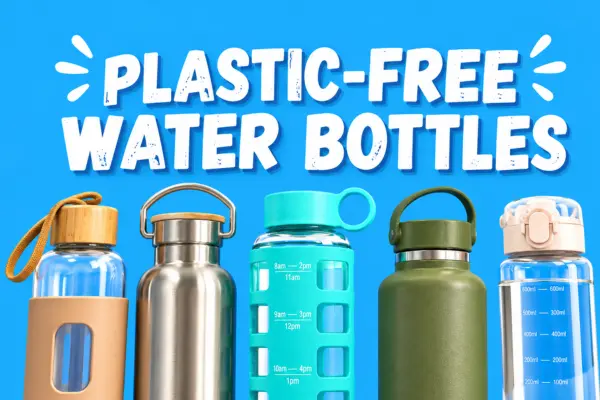
Material is one of the biggest decisions when choosing a water bottle. It affects weight, durability, insulation, taste, safety, and price.
There is no single best water bottle material for everyone. The right choice depends on where you carry it and what matters most in your routine.
Stainless Steel: The Default Choice for Most People
For everyday use, a stainless steel water bottle is the easiest place to start. It is tough, long-lasting, and works especially well when you want reliable temperature control.
Look for 18/8 or 304 food-grade stainless steel, which is commonly used in reusable drinkware.
You will mainly choose between:
- Single-wall: lighter and simpler, but without insulation.
- Double-wall vacuum insulated: heavier, but much better at keeping drinks hot or cold.
If you refill often, single-wall may be enough. For commuting, work, or long days out, double-wall insulation usually makes more sense.
The Environmental Working Group recommends stainless steel as an alternative to plastic, particularly for hot liquids, and advises avoiding bottles with internal plastic liners.
If steel fits your routine, my best stainless steel water bottles guide compares options for different budgets and uses.
Plastic: Light, Cheap, and Complicated
Plastic makes sense when low weight and price matter. A BPA-free water bottle can work well for the gym, hiking, school, or kids.
Tritan remains widely used in reusable plastic bottles. It is light, clear, and designed for repeated use, but BPA-free does not mean you should ignore wear and heat.
For lightweight carry, plastic is practical. For hot drinks or years of heavy daily use, stainless steel is usually the better fit.
Expert tip: Deep scratches, damage, stubborn odors, or a worn interior are good reasons to replace a plastic bottle. Scratched surfaces can also become harder to clean properly.
Glass: Pure Taste, Real Fragility
A glass water bottle is a good choice if taste and easy cleaning matter most. Glass does not need an internal liner and does not hold onto flavors easily.
The downside is simple: it is heavier and breakable.
That makes glass better for a desk, kitchen, or home than for the gym or trail. A glass water bottle with a silicone sleeve can improve grip and add some protection from everyday bumps.
Aluminum: The Lightweight Compromise
Aluminum gives you a light metal bottle, which can be useful for hiking or travel.
But aluminum bottles normally need an internal liner or coating between the drink and the metal. That means the condition and quality of the liner matter too.
If keeping weight low is your priority, aluminum can work. For a long-term everyday bottle, stainless steel is usually the simpler choice.
Water Bottle Material Comparison
| Material | Durability | Insulation | Weight | Safety | Taste | Price | Best For |
|---|---|---|---|---|---|---|---|
| Double-Wall Stainless Steel | Excellent | Excellent | Medium | Low when unlined | Very Low | $20–$50 | Daily use, hot & cold drinks |
| Single-Wall Stainless Steel | Excellent | None | Medium-Light | Low when unlined | Very Low | $15–$25 | Regular refills, lighter carry |
| Tritan / BPA-Free Plastic | Good | None | Light | Watch wear & heat | May develop over time | $10–$25 | Gym, hiking, kids |
| Glass | Fair | None | Heavy | Low | Very Low | $15–$30 | Home, office, pure taste |
| Aluminum | Good | Usually None | Light | Liner dependent | Liner dependent | $20–$30 | Hiking, lightweight carry |
Simple rule: choose stainless steel for an all-round daily bottle, plastic when low weight matters most, glass for home or desk use, and aluminum when you want a lightweight metal option.
Once you get the material right, choosing the size, lid, insulation, and budget becomes much easier.
The Safety Question: What “BPA-Free” Actually Means

Seeing “BPA-free” on a bottle can feel reassuring. But that label only tells you one thing: BPA is not being used.
It does not automatically tell you about other chemicals, liners, seals, heat resistance, or what happens as the bottle wears over time.
BPA-Free Is Only Part of the Safety Picture
Some BPA-free plastics may use substitutes such as BPS or BPF. These alternatives are still being studied because they may raise some of the same concerns as BPA.
Phthalates are another group of chemicals used in certain plastics and food-contact materials. They are not present in every bottle, but they are worth considering when you compare materials.
Microplastics are also part of the conversation. Heat, scratches, aging, and repeated use can contribute to plastic breaking down over time.
So if you are asking, “Is a BPA-free water bottle safe?”, the better answer is: BPA-free is a useful starting point, but it should not be your only check.
Heat and Wear Matter
Heat can put extra stress on plastics and internal liners.
Michigan State University Extension recommends glass or stainless steel for hot foods and liquids.
The Environmental Working Group also advises avoiding old or badly scratched plastic and favors unlined stainless steel for hot drinks.
Wear matters too.
If a plastic bottle becomes deeply scratched, cloudy, damaged, or difficult to clean, replacing it is usually the smarter choice.
What to Look for on the Label
You do not need to understand every material code. Focus on a few practical details:
- 18/8 or 304 food-grade stainless steel
- No internal plastic liner in a stainless steel bottle
- Silicone or stainless steel seals and drinking surfaces where possible
- BPA-free or BPA/BPS-free information when plastic is used
- A clear hot-liquid rating if you plan to carry coffee or tea
- Third-party testing or compliance information when available
If safety is your top priority, my safest water bottles guide goes deeper into materials and bottle options for health-conscious buyers.
The key point is simple: do not judge bottle safety by the words “BPA-free” alone. Look at the material, liner, heat rating, and condition of the whole bottle.
Expert Tip: If the manufacturer does not clearly say the bottle is suitable for hot liquids, do not put coffee, tea, or other hot drinks in it. Heat can increase chemical migration from some plastics and can also damage certain bottle liners.
The Budget Reality Check: What You Actually Need to Spend

You do not need to spend $40 or $50 to get a good water bottle.
For most people, $15 to $35 is the value sweet spot. That range already gives you reliable materials, better lids, and plenty of insulated options.
For everyday use, it also delivers nearly all the practical features most people actually need.
Under $15: Simple Can Still Work
A cheaper bottle is not automatically a bad choice.
Under $15, you will mostly find lightweight BPA-free plastic bottles with simple screw or flip lids. Some basic single-wall steel bottles may also fall near this price.
Nalgene is a good example of a brand offering practical reusable bottles in this lower price range.
What Do You Give Up?
At this price, the compromises are usually simple:
- No insulation
- Basic lid designs
- Fewer premium finishes
- Limited extras or warranty perks
This tier works well for kids, gym bags, hiking, backup use, or anyone who tends to lose bottles.
If price matters most, my budget-friendly water bottles guide covers affordable options that still handle everyday use well.
$15–$35: The Best Value for Most People
This is where I would tell most shoppers to start.
You can find a stainless steel insulated water bottle, better leak-resistant lids, comfortable handles, and designs made for commuting, work, gym use, and everyday carry.
Many double-wall insulated water bottles in this range can already keep water cold through a full workday. For most people, that is more useful than paying extra for a small improvement in insulation.
A bottle such as the Owala FreeSip sits in this mid-range category while offering insulated stainless steel construction and an everyday-friendly lid design.
This is usually the best balance of price, durability, and useful features.
$35+: Pay for Features You Will Actually Use
Premium bottles can still be worth the extra money.
You may get more refined finishes, stronger warranty support, specialized lids, more size choices, or simply a design you prefer.
But a higher price does not automatically mean dramatically better everyday performance.
Premium bottles from brands such as Hydro Flask may offer excellent insulation and polished features, but capable mid-range bottles can often cover the same basic job for less.
Pay more when the extra feature solves a real problem for you, not simply because the bottle has a more expensive logo.
Budget Tier Comparison
| Tier | Price Range | What You Get | What You Sacrifice | Best For |
|---|---|---|---|---|
| Budget | Under $15 | BPA-free plastic or basic single-wall steel, with simple screw or flip lids | Insulation, premium lid mechanisms, and extra features | Gym-goers, kids, backup use, or anyone who often loses bottles |
| Mid-Range | $15–$35 | Double-wall insulated steel, better lid designs, and reliable everyday features | Some premium finishes, extras, and warranty perks | Most people, daily commuters, and office workers |
| Premium | $35+ | Refined finishes, premium materials, warranties, and specialized features | Higher cost, sometimes for relatively small practical gains | Heavy daily users, gift buyers, and brand loyalists |
The Reusability Factor: Sustainability That Actually Works

A reusable water bottle is not automatically the greener choice just because you buy one.
The environmental benefit comes from using the same bottle again and again. If you replace it every few months, much of the point of choosing reusable disappears.
The Manufacturing Footprint Comes First
Reusable bottles need more resources to manufacture than one lightweight single-use PET bottle.
A 2026 life cycle assessment compared reusable stainless steel, aluminum, glass, and HDPE bottles with single-use PET. Each reusable material had a higher one-time production footprint than a single PET bottle.
That does not make reusable bottles a bad choice. It simply means they need repeated use to make that initial footprint worthwhile.
So, When Does a Reusable Bottle Break Even?
There is no single break-even point for a reusable water bottle that applies to every material.
Bottle weight, manufacturing, washing habits, how often you refill it, and the type of disposable bottle it replaces can all change the result.
What matters most is consistent reuse.
What Changes the Break-Even Point?
The 2026 study modeled drinking 1 liter of water away from home each day. That would equal about 730 single-use 500 mL PET bottles in one year compared with repeatedly refilling one bottle.
By the one-year mark, the reusable bottle’s initial production impact was much smaller compared with continually producing new PET bottles. At that point, washing habits became a more important part of its overall footprint.
How Many Single-Use Bottles Can One Reusable Bottle Replace?
Using the same 1-liter-per-day example, the numbers can add up quickly:
| Reusable Bottle | 1 Year | 3 Years | 5 Years |
|---|---|---|---|
| Stainless Steel | Up to 730 PET bottles | Up to 2,190 | Up to 3,650 |
| Reusable Plastic | Up to 730 PET bottles | Up to 2,190 | Up to 3,650 |
| Glass | Up to 730 PET bottles | Up to 2,190 | Up to 3,650 |
| Aluminum | Up to 730 PET bottles | Up to 2,190 | Up to 3,650 |
Important: These figures show how many 500 mL single-use bottles could potentially be avoided under this daily-use scenario. They are not exact carbon break-even figures for each bottle material.
What Makes a Reusable Bottle Last?
The best sustainable water bottle is usually the one you will keep using.
A durable body, replaceable lid or seals, easy cleaning, and a size that fits your routine matter more than buying a new bottle every year.
A few habits help:
- Use one bottle consistently
- Choose a practical size and material
- Replace lids or seals instead of the whole bottle when possible
- Follow the manufacturer’s cleaning instructions
- Keep using it while it remains safe and functional
Cleaning Still Matters
Reusable water bottle cleaning also affects sustainability.
Once a bottle has been used many times, washing habits become a bigger part of its environmental footprint. So regular, sensible cleaning matters.
If you want something built for long-term use, my best reusable water bottles guide compares durable options that are easier to keep for years.
The simple rule is this: choose one bottle you like using, take care of it, and keep it for as long as it remains safe and functional.
Matching the Bottle to the Activity

The best bottle for your desk may be completely wrong for the gym or trail.
Once you know your preferred material, match the size, lid, weight, and insulation to where you will actually use it.
Desk and Office
For desk use, convenience matters more than ruggedness.
A 20–32 oz stainless steel or glass bottle works well. Look for an easy-sip lid, stable base, and a design that is simple to clean.
Gym and Fitness
A water bottle for the gym should be quick to open, easy to carry, and secure inside a bag.
Around 20–32 oz works for many people. Lightweight plastic or stainless steel paired with a flip straw, chug spout, or push-button lid makes one-hand drinking easier.
Hiking and Outdoor Use
A good hiking water bottle needs durability without becoming unnecessarily heavy.
Look at 24–40 oz reusable plastic or stainless steel, depending on how much water you need to carry. Screw caps and chug lids keep things relatively simple, while a secure handle or carry loop helps on the move.
If weight is your main concern, see my best lightweight water bottles guide for lighter options.
Commuting and Travel
For commuting, a leak-resistant lid and manageable size matter most.
A 20–32 oz insulated stainless steel bottle is a practical choice if you want cold water for longer.
If temperature retention is especially important to you, my best insulated water bottles guide compares options for everyday use, commuting, and longer days away from home.
One-hand lids and cupholder-friendly shapes can also make daily travel easier.
Kids
For kids, lighter and simpler is usually better.
Choose a smaller bottle with an easy straw or flip lid, secure closure, and parts that can be removed for cleaning
Lid Types Compared
Current bottle ranges still use screw tops, straw caps, chug spouts, sip-style lids, and push-button designs.
Newer bottles also combine several drinking styles in one lid—for example, Owala’s FreeSip lets you sip through a built-in straw or swig from the same spout, while YETI now offers a lockable Flip Chug Cap
| Lid Type | One-Hand Use | Leak Protection | Cleaning | Best For |
|---|---|---|---|---|
| Screw Cap | No | Strong | Easy | General use, travel |
| Flip Straw | Yes | Good | Moderate | Gym, desk, driving |
| Chug Spout | Yes | Good | Easy | Sports, hiking |
| Sip / Slider | Yes | Good | Moderate | Office, commuting |
| Push-Button | Yes | Good | Moderate | Drinking on the go |
| Hybrid Sip/Chug | Yes | Good | Moderate | Everyday multi-use |
Care and Maintenance: Making Your Bottle Last

A reusable bottle can last for years if you clean it properly.
For daily use, wash it with soap and water, rinse well, and let it air-dry completely. Regular cleaning matters because moisture and drink residue can collect around lids, straws, and seals.
The University of Minnesota Extension recommends cleaning water bottles daily with dish soap and water, rinsing thoroughly, and allowing them to air-dry.
Clean More Than the Bottle Body
A water bottle cleaning brush helps reach the bottom and inside walls where a quick rinse may miss residue.
Also clean the lid, mouthpiece, straw, and removable gasket. These smaller parts often stay damp longer than the bottle itself.
Simple Cleaning Schedule
- Daily: Wash the bottle and drinking surface
- After flavored drinks: Clean it as soon as possible
- Weekly: Check and clean the lid, straw, and seals
- Before storage: Let every part dry completely
If a plastic bottle develops an odor, start with a thorough wash. For stubborn smells, follow the manufacturer’s care instructions.
When Should You Replace It?
Replace the bottle or damaged part if you notice:
- Deep cracks or serious wear
- A peeling or damaged liner
- Odors that remain after proper cleaning
- A lid or seal that no longer works
- Leaks that cannot be fixed
If only the straw, gasket, or lid is worn, check for replacement parts before replacing the entire bottle.
Simple rule: clean it regularly, dry every part fully, and replace damaged components when needed. That helps keep your bottle cleaner and useful for longer.
The Overall Pick: Putting It All Together

By now, one thing should be clear: there is no single water bottle that works best for everyone.
The right choice depends on your routine, preferred material, budget, and the features you actually need.
A Simple Way to Make Your Final Choice
Use this quick decision path:
- Start with your routine: Desk, commute, gym, travel, or outdoor use?
- Choose your material: Stainless steel for durability and insulation, plastic for lighter carry, or glass for home and desk use.
- Set your budget: For most people, the $15–$35 range offers a strong balance of price and useful features.
- Confirm safety: Check the material, liner, heat rating, lid, and how easy the bottle is to clean.
Once these four things line up, choosing a bottle becomes much easier.
Three Bottles for Three Different Needs
A few examples show why the “right bottle” depends on the person:
- Owala FreeSip: A good fit for commuters and everyday users who want insulated stainless steel and a convenient drinking lid.
- Nalgene Wide Mouth: Better for gym use, hiking, or anyone who wants a lightweight and simple bottle without insulation.
- LifeFactory Glass Bottle: A practical choice for desk or home use if you prefer glass and do not need a rugged travel bottle.
None of these is automatically the best for everyone. Each one solves a different everyday need.
Ready to Choose Your Bottle?
If you have already narrowed down your material, budget, safety needs, and daily routine, the next step is comparing the strongest options side by side.
Our top-rated water bottles of 2026 guide brings together the best choices across different materials, budgets, and everyday uses.
Simple rule: do not choose the bottle with the longest feature list. Choose the one that fits the way you actually drink and carry water.
FAQ
What water bottle material is best for your health?
Stainless steel and glass are the safest choices. Neither leaches chemicals into your water, and neither
retains flavors or odors. Stainless steel adds durability and insulation, while glass offers the purest taste. Plastic,
even BPA-free plastic, carries a small leaching risk that increases with heat, scratches, and age.
Are stainless steel water bottles safe?
Yes, food-grade stainless steel (18/8 or 304) is safe and does not leach chemicals. The one thing to check
is whether the bottle has a plastic liner inside. Some stainless steel bottles use an internal plastic coating, which
reintroduces the leaching concerns plastic raises. Look for bottles with no internal liner.
Is it safe to reuse plastic water bottles?
Reusing a single-use plastic water bottle is not recommended. These bottles are designed for one-time use,
and repeated washing, wear, and heat exposure can cause the plastic to break down and leach chemicals. If you
want a reusable plastic bottle, buy one made from Tritan or another BPA-free material designed for repeated use.
How often should I wash my water bottle?
Wash your water bottle daily if you use it every day, especially if you drink anything other than plain water
from it. At minimum, wash it every two to three days. Use warm soapy water and a bottle brush, and pay attention
to the lid, seal, and straw, where bacteria tend to collect
What does "BPA-free" actually mean?
BPA-free means the plastic does not contain bisphenol A, a chemical linked to hormonal disruption.
However, BPA-free does not mean chemical-free. Some manufacturers replace BPA with similar chemicals like BPS,
which may carry similar risks. The label is a good starting point, but it is not a guarantee of total safety.
How much should I spend on a water bottle?
You can get an excellent water bottle for $15 to $35. This mid-range tier includes double-wall insulated
stainless steel bottles with reliable lids from established brands. Spending more than $35 typically buys marginal
improvements in insulation, premium materials, or brand status, not a fundamentally better bottle
Final Thoughts: Choosing the Right Water Bottle
A good water bottle should not end up forgotten in a drawer.
The goal is to find one bottle that fits your routine, feels safe to use, and lasts for years. That is really what choosing the right water bottle comes down to.
Start with the five decisions in this guide: hydration pattern, material, safety, budget, and reusability.
Then read our top-rated water bottles of 2026 guide to compare the strongest options and make your final choice.
Zainab Khursheed!
Hey there, I’m Zainab.
I created Water Bottles Experts to remove the guesswork from choosing the right water bottle for your lifestyle.
Every product featured here is evaluated with real-life use in mind, focusing on durability, insulation, and everyday convenience.
After learning, how consistent hydration impacts overall well-being, I now share practical guides, comparisons, and honest reviews to help you make informed, confident choices about water bottles that truly work for daily life.
Over the years, I’ve researched and compared dozens of water bottles, focusing on material safety, insulation performance, and long-term usability rather than short-term trends.