- Home
- Buying Guides
HYDROGEN WATER DRINKWARES
- Size Comparisons
WATER BOTTLE SIZE GUIDES
- Education
Best Reusable Water Bottles of 2026: Research-Based Picks, Material Safety Guide, and Buying Advice
Leave a comment / Blog / By Zainab.K / 30 august 2026
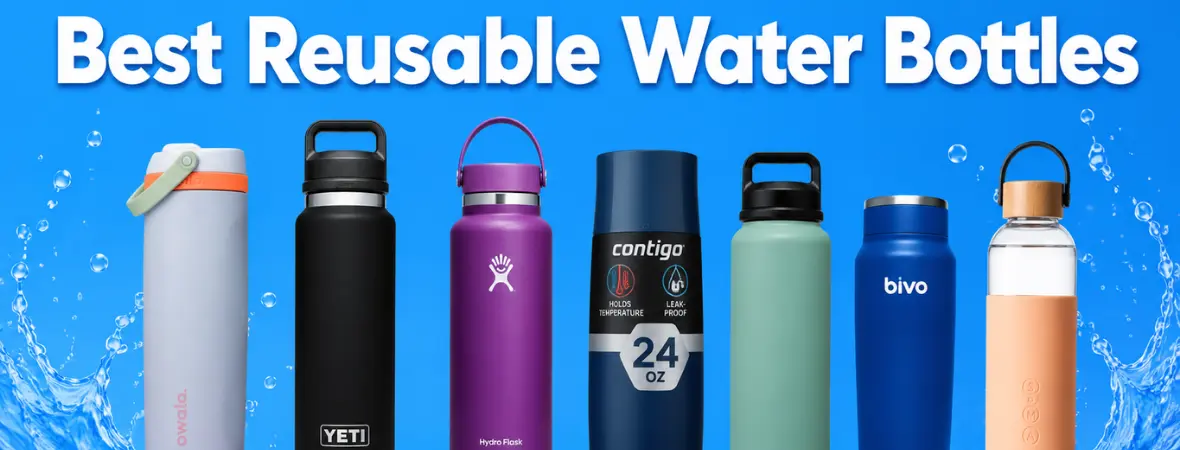
Table of Contents
Quick Answer
For most people, the Owala FreeSip is the best overall choice because it combines everyday convenience, insulation, flexible drinking, and portability. For outdoor durability, choose the YETI Rambler; for reliable everyday use, the Hydro Flask Wide Mouth is a strong option, while the Contigo Courtland Chill suits budget-conscious shoppers.
If you prefer straw-style drinking, consider the CamelBak Eddy+. Cyclists and active users may prefer the Bivo One, while borosilicate glass is a good choice if neutral taste is your priority.
How I reviewed this topic:
I compared these bottles using official product details, published research, and established review sources, focusing on material, insulation, lid design, cleaning, portability, and everyday use.
Where information could not be confirmed, I didn’t present it as a personal testing result. Always check the manufacturer’s latest specifications for current details
You reach for your water bottle in the afternoon, take a sip, and notice something is wrong the water tastes slightly metallic. Or you open your bag after a busy day and discover your bottle leaked, leaving your belongings wet.
A reusable water bottle should make your daily routine easier, not become another problem to deal with.
Finding the best reusable water bottles of 2026 is not just about choosing the most popular brand. The right bottle depends on your lifestyle, whether you need it for work, gym sessions, travel, outdoor activities, or everyday hydration.
Today’s buyers are also thinking beyond appearance. Material safety, durability, cleaning, and environmental impact have become important factors when choosing between stainless steel, glass, Tritan plastic, and ceramic-lined bottles.
The challenge is that every bottle has a different purpose. A lightweight bottle may be perfect for the gym but not ideal for keeping water cold all day. A heavy-duty insulated bottle may be excellent outdoors but inconvenient for daily commuting.
Before choosing a bottle, focus on the things that actually affect daily use:
- How long it keeps water cold
- Whether it stays leak-resistant in your bag
- Which material matches your needs
- How easy it is to clean
- Whether it is worth the long-term investment
This guide compares the best reusable water bottles of 2026 using product research, manufacturer specifications, expert recommendations, and long-term user feedback.
You’ll find a detailed water bottle material comparison, reviews of popular options, safety information, and practical advice to help you choose a bottle you’ll actually use.
Whether you need the best insulated water bottle, a safe reusable water bottle, or a simple everyday option, this guide will help you find the right fit.
Quick Comparison: Which Water Bottle Fits Your Lifestyle?
Choosing between seven good bottles can get confusing. This quick comparison lets you see the main differences at a glance, so you can narrow down the right option for your daily routine.
Owala FreeSip Sway 30 oz | YETI Rambler | Hydro Flask Wide Mouth | Contigo Courtland Chill | CamelBak Eddy+ Insulated | Bivo One | Borosilicate Glass Bottle |
|---|---|---|---|---|---|---|
 |  |  |  |  |  |  |
Why Your Water Bottle Choice Matters in 2026

Choosing the right reusable water bottle is not only about the brand name or design. The material affects how your water tastes, how long it stays cold, how easy the bottle is to clean, and how well it holds up over time.
Some people want ice-cold water throughout the day. Others care more about taste, lightweight design, or choosing a material they feel comfortable using regularly.
There is no single best water bottle material for everyone. The right choice depends on your routine and what matters most to you.
Stainless Steel (18/8 Vacuum-Insulated)
For most users, an 18/8 stainless steel water bottle offers the best balance of durability, insulation, and everyday performance.
If you’re comparing stainless steel with other materials, my guide to safest water bottles covers the main material and safety considerations.
Vacuum-insulated stainless steel bottles are designed to maintain temperature for long periods. Depending on the bottle design, lid type, and surrounding conditions, many can keep water cold for around 12 to 24 hours.
This makes stainless steel a popular choice for commuting, gym sessions, travel, and outdoor activities.
Why choose stainless steel?
- Excellent temperature retention
- Durable enough for daily use
- Available in many sizes and designs
- A reliable option for long-term use
The main drawback is weight. Stainless steel bottles are heavier than plastic options, and some users notice a metallic taste with certain unlined interiors.
For insulated bottles, following the manufacturer’s care instructions is important. Repeated exposure to high dishwasher temperatures may affect some vacuum-insulated designs over time.
Best for: Everyday users, travelers, and anyone looking for a durable insulated bottle.
Expert tip: Look for 18/8 food-grade stainless steel with vacuum insulation if you want a strong balance of performance, durability, and value.
Glass (Borosilicate With Silicone Sleeve)
If you care most about taste, a glass water bottle is one of the best options to consider.
Glass is popular because it provides a clean drinking experience without the metallic taste sometimes associated with stainless steel. Borosilicate glass is also designed to handle temperature changes better than regular glass.
A silicone sleeve can improve grip and provide some protection, but glass still requires more careful handling compared with steel or plastic.
Why choose glass?
- Neutral taste experience
- No metallic aftertaste
- Easy to clean
- Good option for people who prefer simple materials
The trade-off is durability. Glass bottles are heavier and more fragile, so they are usually better suited for homes, offices, and careful daily use.
Best for: Taste-focused users, office workers, and people who prefer a glass drinking surface.
Tritan (BPA-Free Plastic)
A BPA-free water bottle made from Tritan plastic can be a practical option if you want something lightweight and easy to carry.
These bottles are commonly chosen by students, gym users, and active people because they are affordable and less fragile than glass.
However, plastic bottles can retain odors or flavors over time depending on use and maintenance. It is also worth paying attention to the full bottle design, including lids, seals, and other components.
Why choose Tritan plastic?
- Lightweight and portable
- Affordable compared with many steel options
- Shatter-resistant
- Convenient for active lifestyles
Best for: Budget buyers, students, gym users, and anyone who prefers a lightweight bottle.
Expert tip: A BPA-free label is a helpful starting point, but also check the manufacturer’s information about other bottle components, including lids and seals.
Ceramic-Lined Stainless Steel
A ceramic-lined water bottle is one of the most interesting developments in reusable bottle design.
Traditional stainless steel bottles are loved for their durability and insulation, but some users dislike the metallic taste that can develop with certain bottles.
Ceramic lining creates a neutral inner layer between your drink and the stainless steel. This helps provide a cleaner taste while keeping the temperature-control benefits of steel.
Why choose ceramic-lined bottles?
- Helps reduce metallic aftertaste
- Keeps stainless steel insulation benefits
- Good option for taste-sensitive users
- Premium drinking experience
The main downside is price. Ceramic-lined bottles are usually more expensive than standard stainless steel options, and they have less long-term ownership history compared with traditional materials.
Best for: Anyone who wants an insulated bottle but prefers a more neutral taste.
Reusable Water Bottle Material Comparison: Quick Guide
| Material | Taste | Insulation | Durability | Weight | Best For |
|---|---|---|---|---|---|
| Stainless Steel (18/8 Vacuum-Insulated) |
Good | Excellent | Very High | Medium | Daily use, travel, outdoors |
| Glass (Borosilicate) |
Excellent | Low | Medium | Medium | Home, office, taste-focused users |
| Tritan Plastic (BPA-Free) |
Good | Low | Medium | Lightweight | Gym, students, budget buyers |
| Ceramic-Lined Steel | Excellent | Excellent | High | Medium | Taste-sensitive users |
Top Pick

Owala FreeSip
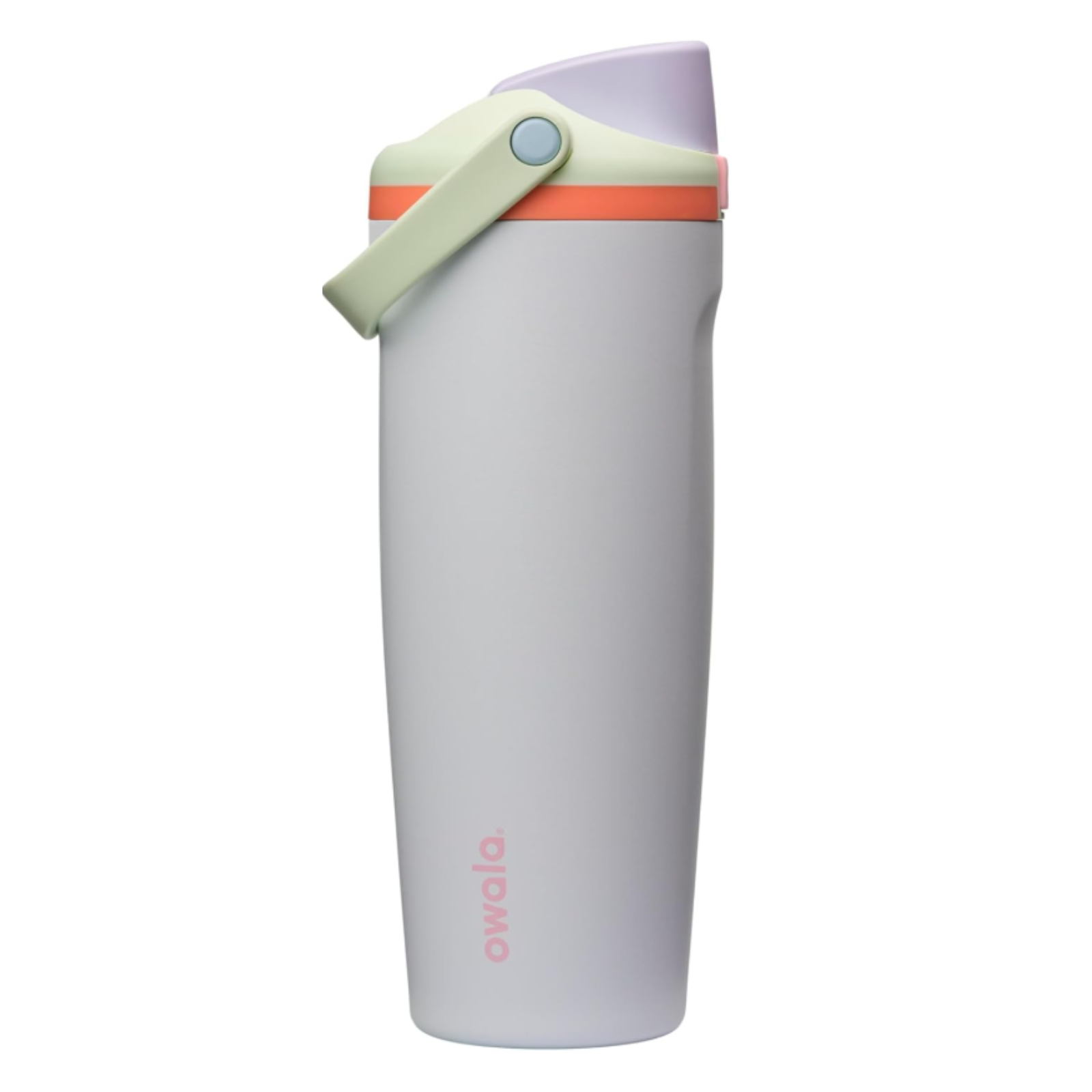
The Owala FreeSip is a versatile choice for work, commuting, gym sessions, and everyday hydration. Its FreeSip lid gives you two ways to drink: sip through the built-in straw or drink from the wider opening.
This article may contain affiliate links. As an Amazon Associate, I earn from qualifying purchases at no extra cost to you.
Find Your Perfect Water Bottle
Answer five quick questions and get a bottle recommendation that fits your routine.
Where will you mainly use your bottle?
Detailed Comparison: Which Bottle Fits Your Lifestyle?
Every bottle in this guide has a different strength. The best choice depends on how you use it, whether you need insulation, how you carry it, and what matters most to you.
Here’s a breakdown to help you decide faster:
- Owala FreeSip: Best overall for everyday versatility, with flexible sip-or-gulp drinking and convenient daily use.
- YETI Rambler: Best for durability and outdoor use when rugged construction matters more than keeping weight low.
- Hydro Flask Wide Mouth: Best for reliable everyday performance, with insulation and a practical wide-mouth design.
- Contigo Courtland Chill: Best budget-friendly insulated option for students, gym-goers, and everyday use.
- CamelBak Eddy+ Insulated: Best for straw-style drinking and convenient hydration during commuting and daily activities.
- Bivo One: Best for cycling and high-exertion activities where fast-flow hydration is especially useful.
- Borosilicate Glass Bottle: Best for users who prioritize a neutral drinking experience and a glass interior.
Owala FreeSip | YETI Rambler | Hydro Flask Wide Mouth | Contigo Courtland Chill | CamelBak Eddy+ Insulated | Bivo One | Borosilicate Glass Bottle | |
|---|---|---|---|---|---|---|---|
| | | | | | | |
Material | 18/8 Stainless Steel | Insulated Stainless Steel | Insulated Stainless Steel | Insulated Stainless Steel | Insulated Stainless Steel | Stainless Steel | Borosilicate Glass |
Capacity | Verify current model | Verify current model | 24 oz | 24 oz | Verify current model | Verify current model | Verify current model |
Best For | Everyday versatility | Durability & outdoor use | Everyday & outdoor use | Budget-friendly use | Straw-style drinking | Cycling & fast-flow hydration | Pure taste & material preference |
Rating | ⭐ 4.8/5 | ⭐ 4.7/5 | ⭐ 4.6/5 | ⭐ 4.6/5 | ⭐ 4.5/5 | ⭐ 4.3/5 | ⭐ 4.2/5 |
Buy Now |
These ratings are based on the research and long-term user feedback discussed in each review.
1. Owala FreeSip | Best Overall for Everyday Versatility
Owala FreeSip
The Owala FreeSip is a versatile choice for work, commuting, gym sessions, and everyday hydration. Its FreeSip lid gives you two ways to drink: sip through the built-in straw or drink from the wider opening.
PROS
-
Two drinking options in one lid
-
Good cold retention
-
Comfortable carrying design
-
Durable stainless steel construction
-
Useful for different daily routines
CONS
-
Lid has several parts to clean
-
Straw components need regular cleaning
-
Larger sizes can feel bulky
Best For: Best for office workers, commuters, students, and gym users who want one versatile bottle that can work across different parts of the day.
Avoid If: Skip it if you prefer a simple screw-top lid, dislike cleaning straw components, or need an especially lightweight bottle for hiking.
What Users Say
Customer feedback frequently highlights the FreeSip lid, cold retention, comfortable handle, and everyday convenience. Many users like having both sipping and gulping options without changing the lid.
Some customers also mention that the lid requires more attention during cleaning because it has more components than a basic screw-top design.

Why It Stands Out
The dual drinking design is the main reason the FreeSip stands out. You can take smaller sips while working or walking and switch to the wider opening when you want to drink more quickly.
Its vacuum-insulated stainless steel construction also makes it appealing if you prefer keeping your water cold throughout the day.
Expert Tip
If you regularly switch between straw and wide-mouth bottles, the FreeSip is worth considering because it combines both drinking styles in one bottle.
Drawbacks
The main compromise is the lid complexity. You get more drinking flexibility, but cleaning takes more effort than it does with a simple screw-top bottle.
Verdict
The Owala FreeSip is the best overall pick for everyday versatility. It offers a useful combination of flexible drinking, insulation, and portability for people who want one bottle for different situations.
2. YETI Rambler | Best for Durability and Outdoor Use
YETI Rambler
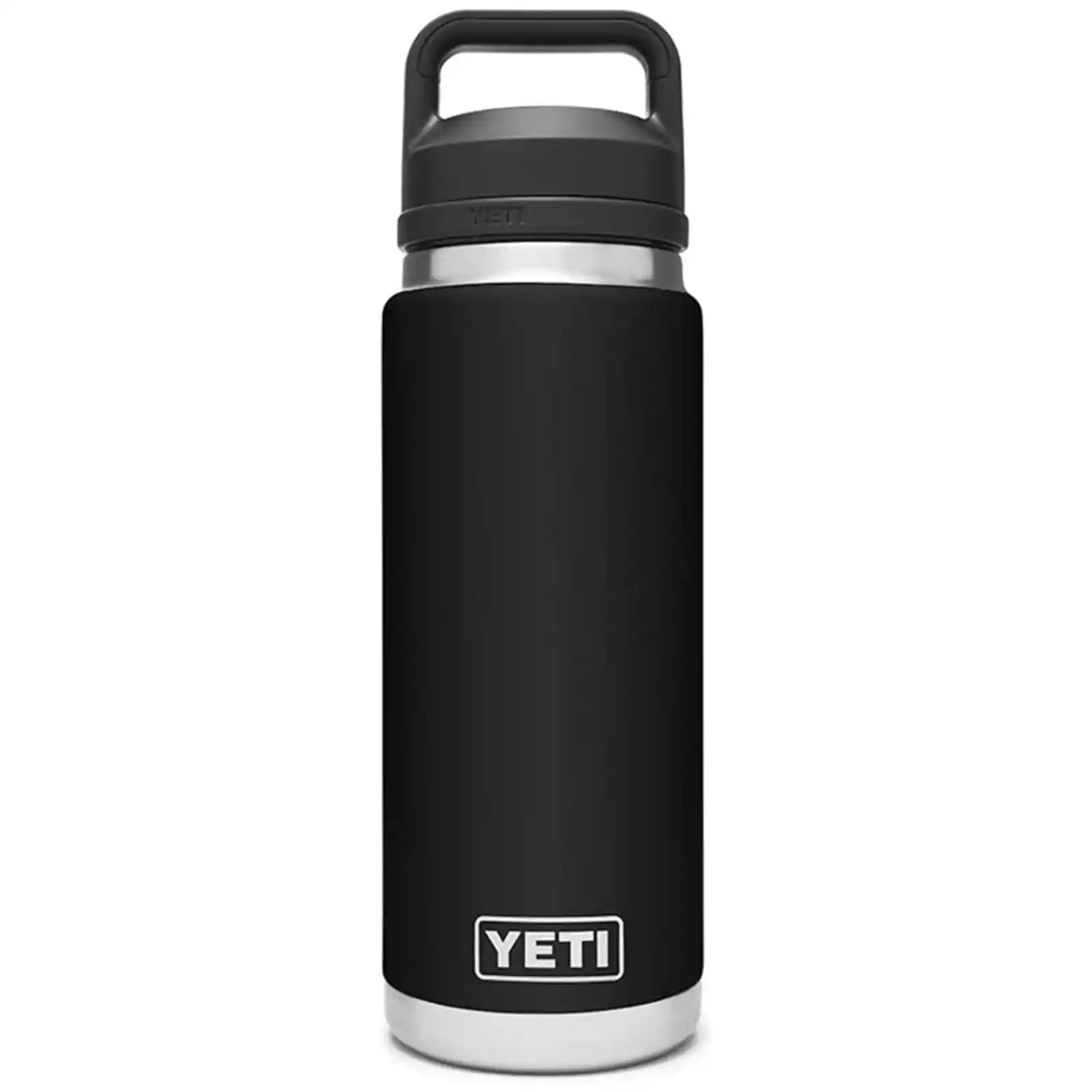
The YETI Rambler is a strong choice for people who prioritize durability over minimum weight. Its substantial stainless steel construction makes it well suited to hiking, camping, road trips, and other demanding environments.
PROS
-
Rugged stainless steel construction
-
Strong insulation
-
Suitable for outdoor use
-
Sturdy overall design
-
Available in different sizes
CONS
-
Heavier than many everyday bottles
-
Larger models can feel bulky
-
Cap design has multiple components
Best For: Best for hikers, campers, outdoor workers, road trippers, and people who prioritize durability over keeping their bottle as light as possible.
Avoid If: Skip it if you want the lightest possible bottle, mainly use one at your desk, or dislike carrying a heavier bottle throughout the day.
What Users Say
Customer feedback often praises the solid construction, insulation, and rugged feel. Outdoor users particularly appreciate a bottle that feels substantial enough for regular use outside the home.
Weight is one of the most common trade-offs mentioned by users, while some also find the cap more involved to clean than a basic screw top.

Why It Stands Out
Durability is where the Rambler makes its strongest case. Its heavier construction gives it a more rugged feel than lightweight bottles designed mainly for portability.
That added construction also means you will notice more weight when carrying a full bottle.
Expert Tip
If your bottle regularly goes into a hiking pack, vehicle, or outdoor gear bag, durability may matter more than saving a few ounces.
Drawbacks
The Rambler’s biggest compromise is its weight. It is better suited to users who value toughness than those who want something effortless to carry all day.
Verdict
Choose the YETI Rambler if durability is high on your list. For demanding outdoor use, its sturdy construction can make more sense than a lightweight bottle.
3. Hydro Flask 24 oz Wide Mouth With Flex Straw | Best Reliable Everyday Option
Hydro Flask Wide Mouth
The Hydro Flask 24 oz Wide Mouth is a practical choice for people who want an insulated stainless steel bottle with a useful wide opening. The Flex Straw lid adds convenient drinking for everyday situations.
PROS
-
Insulated stainless steel design
-
Wide opening for ice and cleaning
-
Convenient straw drinking
-
Familiar, straightforward design
-
Useful everyday size
CONS
-
Straw lid has more parts to clean
-
Heavier than plastic bottles
-
Wide-mouth design is not ideal for everyone
Best For: Best for office workers, commuters, gym users, and everyday drinkers who want insulation with a wide opening and convenient straw drinking.
Avoid If: Skip it if you want an ultra-light bottle, prefer a basic screw cap, or have little need for temperature insulation.
What Users Say
Users commonly praise the insulation, sturdy construction, wide opening, and convenient drinking design. Easy access for adding ice and cleaning is another recurring positive.

Why It Stands Out
The wide-mouth opening makes adding ice and accessing the inside for cleaning easier. That simple advantage can make a difference when a bottle is used every day.
The combination of insulation and straw-style drinking also gives it a good balance of temperature retention and convenience.
Expert Tip
If cleaning is one reason your bottles end up unused, a wide-mouth design can be worth prioritizing because it gives you easier access to the inside.
Drawbacks
The main compromise is the straw lid. It adds convenience, but also introduces additional components that need regular cleaning.
Verdict
The Hydro Flask Wide Mouth is a dependable everyday option for people who want insulation, easy access, and convenient straw drinking.
4. Contigo Courtland Chill 24 oz | Best Budget Insulated Pick
Contigo Courtland Chill
The Contigo Courtland Chill 24 oz is aimed at buyers who want an insulated stainless steel bottle without paying premium prices. It focuses on practical everyday features rather than unnecessary extras.
PROS
-
Budget-friendly option
-
Insulated stainless steel construction
-
Useful 24 oz capacity
-
Practical everyday design
-
Suitable for school and work
CONS
-
Fewer premium features
-
Lid may feel less refined than premium alternatives
-
Long-term durability feedback can vary
Best For: Best for budget-conscious buyers, students, office workers, and first-time insulated bottle buyers who want the basics without paying for premium extras.
Avoid If: Skip it if you want premium features, a highly refined lid, or maximum long-term durability from your bottle.
What Users Say
Customer feedback generally focuses on the affordable price, insulation, and practical design. Buyers who do not need advanced features often see it as a sensible alternative to more expensive bottles.
Some feedback points to differences in lid durability and overall refinement compared with premium options.
Why It Stands Out
Its biggest advantage is value. It gives budget-conscious buyers access to an insulated stainless steel design without the price of some premium competitors.
That makes it particularly useful for students, office workers, or anyone who does not want to spend heavily on an everyday bottle.
Expert Tip
If you frequently lose bottles or simply do not want to spend a lot on one, a reasonably priced insulated bottle can offer better value than paying for features you may never use.

Drawbacks
The main compromise is that you get fewer premium touches. Buyers looking for a more sophisticated lid or premium finish may prefer spending more.
Verdict
The Contigo Courtland Chill is a sensible budget pick for anyone who wants basic insulation and everyday practicality without paying premium prices.
5. CamelBak Eddy+ Insulated | Best for Straw, Style Everyday Drinking
CamelBak Eddy
The CamelBak Eddy+ Insulated is designed for people who prefer drinking through a straw rather than tilting a bottle back. It works well for commuting, studying, working, and everyday carry.
PROS
-
Convenient straw drinking
-
Good option for one-handed use
-
Insulated construction
-
Comfortable for everyday carry
-
Useful for commuting and work
CONS
-
Straw components require regular cleaning
-
Water flow can be slower than wide-mouth designs
-
Leak experiences vary among users
Best For: Best for commuters, students, office workers, and anyone who prefers convenient one-handed straw drinking during the day..
Avoid If: Skip it if you prefer unrestricted water flow, dislike cleaning straw components, or want the simplest possible lid.
What Users Say
Customers often praise the straw design, insulation, carrying comfort, and everyday usability. Many appreciate being able to drink without removing a traditional cap.
Other users point out that straw components need regular cleaning, while feedback about leak performance is not completely consistent.

Why It Stands Out
The straw design makes one-handed drinking convenient. That can be useful when you are working at a desk, walking, or commuting.
Its insulated construction also makes it suitable for people who want temperature retention alongside straw-style drinking.
Expert Tip
If you carry your bottle in a backpack with electronics, check the manufacturer’s current lid and leak-resistance information and make sure the cap is properly closed before putting it in your bag.
Drawbacks
The straw system adds convenience but also adds cleaning work. If you prefer simple maintenance, a traditional screw-top bottle may suit you better.
Verdict
The CamelBak Eddy+ Insulated is a good choice if convenient straw drinking matters more to you than maximum water flow or the simplest cleaning routine.
6. Bivo One | Best for Cycling and High-Exertion Activities
Bivo One
The Bivo One takes a different approach from traditional straw and squeeze bottles. It focuses on quick hydration, making it particularly suitable for cycling, running, gym sessions, and other high-exertion activities.
PROS
-
Fast water flow
-
Stainless steel construction
-
Silicone exterior improves grip
-
Good fit for cycling and training
-
Designed for active use
CONS
-
Heavier than plastic cycling bottles
-
Some versions are not insulated
-
Less suited to general office use
Best For: Best for cyclists, runners, gym users, and outdoor athletes who need quick access to water during high-intensity activity.
Avoid If: Skip it if you want maximum all-day insulation, prefer an ultra-light plastic bottle, or mainly need a bottle for desk and office use.
What Users Say
Users commonly appreciate the fast water flow, comfortable grip, cycling-friendly shape, and stainless steel construction.
The main trade-off is weight. Stainless steel adds more weight than lightweight plastic cycling bottles, which can matter during longer rides.

Why It Stands Out
Its fast-flow cap is the main reason to choose it. Instead of relying on a straw or bite valve, the design focuses on delivering water quickly while you are moving.
The stainless steel construction and silicone exterior also give it a different feel from conventional plastic sports bottles.
Expert Tip
For intense exercise, fast access to water can matter more than maximum insulation. Think about how you actually drink during your activity before choosing your bottle.
Drawbacks
Bivo One is more specialized than the other bottles on this list. Its fast-flow design is useful during exercise, but it may feel unnecessary for ordinary desk or commuting use.
Verdict
The Bivo One is a strong specialized choice for active users. If you cycle, run, or train regularly and want quick hydration, its fast-flow design is particularly appealing.
7. Borosilicate Glass Bottle With Silicone Sleeve | Best for Pure Taste
Borosilicate
A borosilicate glass water bottle with a silicone sleeve is a strong choice for people who prioritize taste and prefer a glass drinking surface. The silicone sleeve improves grip and adds some protection against everyday bumps.
PROS
-
Neutral drinking experience
-
No metallic aftertaste
-
Comfortable silicone grip
-
Easy to clean
-
Good choice for home and office use
CONS
-
More fragile than stainless steel
-
Heavier than lightweight plastic
-
Usually offers little or no insulation
Best For: Best for office workers, home users, taste-focused buyers, and people switching from plastic who prefer the drinking experience of glass.
Avoid If: Skip it if you need a rugged outdoor bottle, frequently drop your bottles, want strong insulation, or prefer the lightest possible option.
What Users Say
Customers often praise the clean taste, attractive design, silicone grip, and easy cleaning. Many people also like the feel of glass compared with plastic or metal bottles.
The main concern is breakage. A silicone sleeve can provide some protection, but the bottle remains more fragile than stainless steel or plastic.

Why It Stands Out
Glass is particularly appealing to people who dislike metallic or plastic aftertaste. It provides a neutral drinking experience without relying on a stainless steel interior.
The silicone sleeve makes the bottle easier to hold and offers additional protection, although it does not make glass unbreakable.
Expert Tip
Glass works particularly well for desks, offices, and home use. For hiking, cycling, or rough outdoor activities, a more impact-resistant material may be a better fit.
Drawbacks
The biggest compromise is fragility. Glass can provide an excellent drinking experience, but it requires more care than stainless steel or plastic.
Verdict
A borosilicate glass bottle is a good choice if taste is your priority and you mainly use your bottle in controlled environments. For demanding outdoor use, stainless steel is generally the more practical choice.
Comparison Table: All 7 Bottles at a Glance
If you are comparing two or three bottles, this table gives you the key differences in one place. Focus on the factors that matter most to you, such as cold retention, leak protection, cup-holder fit, material, and price.
| Product | Material | Capacity | Insulation | Leak-Proof | Dishwasher Safe | Cup Holder | Best For |
|---|---|---|---|---|---|---|---|
| Owala FreeSip | Stainless steel | 24 oz | Up to 24 hours cold | Yes |
Lid: Yes Bottle: Hand wash |
Model-dependent | Everyday versatility |
| YETI Rambler | 18/8 stainless steel | 26 oz | Double-wall vacuum | Yes | Yes | Usually too large for many cup holders | Durability & outdoor use |
| Hydro Flask 24 oz Wide Mouth | Stainless steel | 24 oz | Up to 24 hours cold | Yes, when closed | Yes | Yes, most cup holders | Everyday & outdoor use |
| Contigo Courtland Chill 24 oz | Stainless steel | 24 oz | Up to 24 hours cold | Yes | Yes | Yes, most cup holders | Budget-friendly use |
| CamelBak Eddy+ Insulated | 18/8 stainless steel | 20 oz | Vacuum insulated | Yes, when closed |
Cap: Yes Bottle: Hand wash |
Yes | Straw-style drinking |
| Bivo One | Stainless steel | 21 oz | Non-insulated | Secure sport cap | Yes | Yes, most cup holders | Cycling & fast-flow hydration |
| Borosilicate Glass Bottle | Borosilicate glass | Varies by model | Not insulated | Model-dependent | Bottle: Usually yes* | Model-dependent | Neutral taste & glass preference |
How to Choose the Right Water Bottle for Your Lifestyle

There is no single best reusable water bottle for everyone. The right choice depends on how much you drink, where you carry it, how often you can refill it, and whether you need insulation or a particular lid style.
Instead of buying a bottle because it looks good, match it to your actual routine. That simple approach can save you from buying another bottle that ends up sitting unused.
Size: Match the Bottle to Your Routine
For most people, 18 to 24 oz is a useful middle ground. It gives you enough water for everyday use without making the bottle unnecessarily heavy or difficult to carry.
Larger 32 oz+ bottles mean fewer refills, which can be helpful on hikes or long outdoor days. The trade-off is extra weight and the possibility that the bottle will not fit your car’s cup holder.
Smaller 12 to 16 oz bottles are easier to carry but need more frequent refills. If you have a water cooler or fridge nearby, that may not be a problem.
If you’re comparing different capacities, my Hydro Flask size guide can help you choose the right size for your routine.
Expert tip: Choose the size you will actually carry and refill. A bottle that is too large or too small for your routine can quickly become another unused bottle in the cupboard.
Lid Types: Screw-Top, Straw, Flip, or Fast-Flow?
The lid can completely change how convenient a water bottle feels. Screw-top lids are simple and easy to clean, while straw lids are convenient when you want one-handed drinking.
Flip lids give you quick access but have more moving parts. Fast-flow lids, such as the design used on Bivo One, are better suited to cycling and other activities where you want to drink quickly.
Expert tip: If your priority is carrying a bottle in a bag, pay close attention to the manufacturer’s leak-resistance rating rather than assuming every lid is equally secure.
Insulation: Do You Really Need 24-Hour Cold?
Insulation is most useful when you want cold water for many hours, especially during outdoor work, travel, hiking, or hot-weather activities. It can also be useful when you are carrying a bottle in a warm car.
You may not need it if you work near a fridge or water cooler, stay mostly at home, or drink your water quickly. In those situations, a lighter non-insulated bottle may be more practical.
Expert tip: Follow the manufacturer’s cleaning instructions for insulated bottles. Even when a bottle is dishwasher-safe, proper care can help protect its finish and components over time.
Cleaning and Maintenance
A bottle that is difficult to clean is easy to stop using. Wide-mouth bottles are generally more convenient for adding ice and reaching the inside with a bottle brush.
If easy cleaning is a priority, you can also see my guide to easy-to-clean water bottles.
Clean your bottle regularly, paying extra attention to lids, straws, seals, and other areas where moisture can remain. For stubborn odors, baking soda, vinegar, or bottle-cleaning tablets can be useful options depending on the manufacturer’s care instructions.
A silicone base pad or sleeve can also help reduce noise and protect the bottom from everyday knocks and dents.
Which Water Bottle Is Best for You?
Choose your lifestyle to see which bottle fits your routine best.
Look for moderate capacity, convenient drinking, and reliable leak protection if your bottle travels in a bag.
Choose a bottle that is easy to drink from while moving, comfortable to carry, and simple to clean after workouts.
Prioritize durability, insulation, capacity, and a dependable lid when you may be away from refill points for hours.
Focus on easy cleaning, practical carrying, and dependable leak protection when the bottle goes into a child's backpack.
A student-friendly bottle should be easy to carry, durable enough for daily campus life, and reasonably priced.
If you notice a metallic or plastic aftertaste, pay close attention to the material that comes into contact with your water.
Material Safety Deep-Dive: BPA, PFAS, Phthalates, and Nanoplastics

If material safety is high on your list, don’t look only at the bottle body. The lid, gasket, seal, and lining can matter too, especially when these parts come into contact with your water.
BPA in Water Bottles: What Should You Look For?
BPA (bisphenol A) is used in some plastics and food-contact materials. The FDA’s current information supports the safety of BPA for its approved food-contact uses.
When comparing plastic water bottles, check:
- BPA-free labeling
- Materials used in the lid and seals
- Manufacturer information about other components
Michigan State University Extension also recommends checking current FDA information and paying attention to BPA-free labeling when evaluating plastic food and beverage containers.
One thing to remember: BPA-free doesn’t mean chemical-free. Other materials can still be present in the bottle or its components.
PFAS in Water Bottles: Why Are People Concerned?
PFAS are a large group of chemicals known for properties such as water and stain resistance. Their persistence has made them an important area of ongoing environmental and health research.
If you’re trying to minimize PFAS exposure, look for manufacturer information about:
- The bottle material
- Lids and gaskets
- Any coatings or linings
Don’t assume every part of a bottle has the same material profile.
Phthalates in Water Bottles: What You Should Know
Phthalates are chemicals used to make some plastics more flexible. They’re generally more relevant to flexible plastic components than rigid bottle materials.
If you’re choosing a plastic bottle, check the material information for both the bottle and its flexible parts rather than focusing only on the main body.
What About Nanoplastics?
If you prefer a bottle without a plastic interior, glass offers a neutral drinking surface and is easy to clean. A silicone sleeve can add grip and some protection, although glass is still more fragile than stainless steel.
Ceramic-lined stainless steel offers another option for people who want insulation without the metallic taste they may notice with some unlined steel bottles. The ceramic interior creates a barrier between the water and the stainless steel.
Neither material needs to be called universally “the safest.” The better approach is to consider the materials, components, intended use, and information provided by the manufacturer.
Glass vs. Ceramic-Lined Stainless Steel
Phthalates are chemicals used to make some plastics more flexible. They’re generally more relevant to flexible plastic components than rigid bottle materials.
If you’re choosing a plastic bottle, check the material information for both the bottle and its flexible parts rather than focusing only on the main body.
Bottom Line
Don’t choose a bottle based on a single “BPA-free” or “safe” label. Look at the whole product, including its lid, seals, lining, and other water-contact components, then choose the material that best fits your priorities.
The Real Environmental Impact: Lifecycle and Refill Thresholds

A reusable bottle still has an environmental footprint before you ever fill it. Materials have to be sourced, processed, manufactured, and shipped. The real benefit comes from using that bottle again and again instead of relying on single-use bottles.
How Many Refills Does It Take to Make a Difference?
There isn’t one refill number that applies to every bottle. The break-even point depends on the material, manufacturing footprint, single-use alternative, and how often you actually reuse the bottle.
So rather than promising an exact number, think about consistency: the more often you refill the same bottle, the more uses you get from the resources that went into making it.
Your Refill Impact
How many single-use bottles could you avoid?
Daily refills
− 2 +
60 bottles avoided per month
730 bottles avoided per year
Estimate based on your daily refill count × 30 days or × 365 days. This shows bottles avoided, not a full lifecycle or carbon-footprint calculation.
See Your Refill Impact
See how many single-use bottles you could avoid by refilling your reusable bottle each day.
How many times do you refill your bottle each day?
Every refill helps reduce your reliance on single-use bottles.
The Most Sustainable Bottle Is the One You Actually Use
It’s tempting to focus only on which material sounds most environmentally friendly. But there’s a simpler question worth asking: Will you actually use this bottle?
A bottle that sits unused in the back of a cupboard still has the environmental footprint created during manufacturing and shipping. You get far more value from that initial footprint when the bottle becomes part of your everyday routine.
That’s why choosing the right size, lid, material, and insulation for your lifestyle can be a sustainability decision too.
Replacement Parts Can Extend a Bottle's Life
A damaged lid or worn gasket doesn’t necessarily mean you need a new bottle. Before buying, check whether the manufacturer sells replacement lids, seals, gaskets, or straws for that model.
This small detail can make a big difference over time. Replacing one component can keep an otherwise usable bottle in service instead of sending the whole product to the trash.
Look for brands that provide:
- Replacement lids and caps
- Replacement gaskets and seals
- Replacement straws or valves
- Clear instructions for compatible parts
For the bottles in this guide, check the manufacturer’s current replacement-parts information before buying, since availability can vary by model and region.
Putting the Plastic Waste Numbers in Context
The scale of single-use bottled water consumption is enormous. The U.S. bottled water market recorded 24.5 billion units sold in 2023, according to the industry data cited in this guide.
The frequently cited 90% plastic-bottle recycling figure also needs context rather than being treated as a universal measurement for every country or bottle type. Recycling rates vary by material, location, collection system, and how the statistic is defined.
The bigger takeaway is simple: using one reusable bottle consistently can replace many individual single-use bottles over its useful life.
Bottom Line
The best sustainability choice isn’t necessarily the bottle with the most impressive environmental claim. It’s a bottle that fits your routine, lasts, and gets refilled regularly.
Choose something you’ll genuinely keep using, look for replaceable parts, and give that bottle a long useful life. That’s a much more practical way to think about sustainability.
Yeh version main recommend karunga. Ismein sabse important improvement yeh hai ke hum 90% figure ko unsupported absolute fact ki tarah present nahi kar rahe, aur refill calculator bhi clearly bottles avoided calculate karta hai—not a fake carbon/lifecycle score.
Frequently Asked Questions
HOW LONG DO INSULATED BOTTLES KEEP WATER COLD?
Answer: Vacuum-insulated 18/8 stainless steel bottles typically keep water cold for 12 to 24 hours, depending
on lid design, ambient temperature, and whether ice is added. The Owala FreeSip is rated for 24-hour cold
retention.
ARE STAINLESS STEEL WATER BOTTLES SAFE?
Answer: Yes. Stainless steel does not leach chemicals into water, according to Michigan State University
extension guidance. Look for 18/8 food-grade stainless steel. The main concern is metallic aftertaste, which
ceramic-lined interiors address
CAN I PUT HOT LIQUIDS IN ANY REUSABLE BOTTLE?
Answer: Insulated stainless steel bottles can handle hot liquids, but check the manufacturer’s guidance.
Glass bottles can handle hot liquids if they’re borosilicate (thermal shock resistant). Plastic bottles (Tritan) are
generally not recommended for very hot liquids. Never put hot liquids in a bottle with a straw lid, the pressure
can cause leaks or burns.
HOW DO I REMOVE SMELLS FROM MY WATER BOTTLE?
Answer: Wash with warm soapy water and a bottle brush after each use. For persistent odors, soak overnight
in a solution of baking soda and water, or use white vinegar. For straw components, use a small straw brush.
Dishwasher-safe bottles can be run through the dishwasher, but hand-washing is recommended for insulated
bottles to preserve the vacuum seal.
IS A PREMIUM WATER BOTTLE WORTH THE PRICE OVER A BUDGET ALTERNATIVE?
Answer: It depends on your priorities. Premium bottles (Yeti, Hydro Flask, Owala) offer better durability, longer
insulation, and brand-backed warranties. Budget bottles (Contigo Courtland Chill) cover the essentials at a
fraction of the cost. If you’re hard on gear or need all-day cold water, premium is worth it. If you just need a
reliable bottle for the office, budget is fine.
WHAT'S THE DEAL WITH CERAMIC-LINED BOTTLES IN 2026?
Answer: Ceramic lining is the top 2026 innovation for eliminating metallic aftertaste in stainless steel bottles.
The ceramic layer provides a neutral barrier between water and steel, so you get insulation without the taste.
It’s ideal for taste-sensitive users who’ve been disappointed by standard steel bottles.
HOW DO I KNOW IF A BOTTLE IS TRULY BPA-FREE AND PFAS-FREE?
Answer: Look for explicit BPA-free and PFAS-free labeling on the bottle and all components, including lids,
gaskets, and straws. Don’t assume all Tritan or polypropylene lids are free of all concerning chemicals. Check
the manufacturer’s website for material safety documentation.
Final Thoughts
Choosing the right reusable water bottle comes down to how you actually use it. The best option should match your daily routine, whether that means commuting, working out, hiking, studying, or staying hydrated at home.
Think beyond the brand name and compare the things that matter most: material, size, lid style, insulation, cleaning, durability, and price. A good fit is one you’re comfortable carrying and using every day.
My recommendations are based on manufacturer information, published research, and established review sources, so I separate verified information from claims I cannot personally test.
Most importantly, choose a bottle you’ll keep refilling instead of replacing or leaving unused. That’s better for your routine, your wallet, and the waste you avoid over time
Zainab Khursheed!
Hey there, I’m Zainab.
I created Water Bottles Experts to remove the guesswork from choosing the right water bottle for your lifestyle.
Every product featured here is evaluated with real-life use in mind, focusing on durability, insulation, and everyday convenience.
After learning, how consistent hydration impacts overall well-being, I now share practical guides, comparisons, and honest reviews to help you make informed, confident choices about water bottles that truly work for daily life.
Over the years, I’ve researched and compared dozens of water bottles, focusing on material safety, insulation performance, and long-term usability rather than short-term trends.
How I Chose These Bottles
This guide is based on a detailed comparison of manufacturer specifications, insulation ratings, material safety information, verified customer reviews, long-term user feedback, and expert discussions. MY goal is to present clear, practical, and unbiased information so readers can choose the right bottle for their daily needs.
I do not personally test every bottle featured on this site. Instead, I analyze repeated patterns from real-world user experiences, especially feedback related to hot climates, cold retention, leakage during travel, ease of cleaning, lid durability, comfort during carry, and overall value for money.
For insulation performance, I review manufacturer claims along with customer-reported ice retention and cold-water performance over daily use. Durability feedback is also cross-checked with long-term user reports to identify consistent issues and strengths rather than relying on isolated comments.
This helps me highlight bottles that perform well for real users while also pointing out common complaints, limitations, and best-use cases.