SPE/PEM refers to membrane-based electrolysis technology. It helps separate hydrogen from oxygen and unwanted byproducts during the hydrogen generation process.
Hydrogen Water Devices: A Practical Guide to Choosing What Actually Works
Leave a comment / Blog / By Zainab.K / 11 July 2026
CHAPTERS
Quick Answer: Which Hydrogen Water Device Should You Choose?
For most first-time buyers, a portable SPE/PEM hydrogen water bottle is the easiest and most practical choice. It makes fresh hydrogen water on demand, fits into a daily routine, and is usually more affordable than a countertop machine.
Choose a hydrogen water pitcher if you want a larger amount of hydrogen water at home for shared use.
Choose a countertop hydrogen water machine if you use hydrogen water daily, need higher volume, or want a more permanent setup.
The most important point is this: do not buy a hydrogen water device only because it makes bubbles, raises pH, or uses big wellness claims. Look for clear hydrogen output, safe materials, SPE/PEM technology, and realistic product information.
Hydrogen water devices are becoming popular, but choosing the right one is not always simple.
With bottles, pitchers, and countertop machines making different claims about hydrogen output, alkaline water, and advanced technology, many buyers struggle to know which features actually matter.
The right device should produce measurable dissolved hydrogen, use safe technology, and match your daily needs without relying on exaggerated marketing claims.
In this guide, I’ll break down how hydrogen water devices work, compare bottles, pitchers, and machines, explain why SPE/PEM technology matters, and help you choose a device that fits your routine and budget.
Medical Note: This guide is for general education and buying research only. Hydrogen water should not be used to diagnose, treat, or prevent any medical condition. If you are pregnant, have a medical condition, or take medication, speak with a qualified healthcare professional before changing your health routine.
Best hydrogen bottle | best hydrogen pitcher | best hydrogen machine |
|---|---|---|
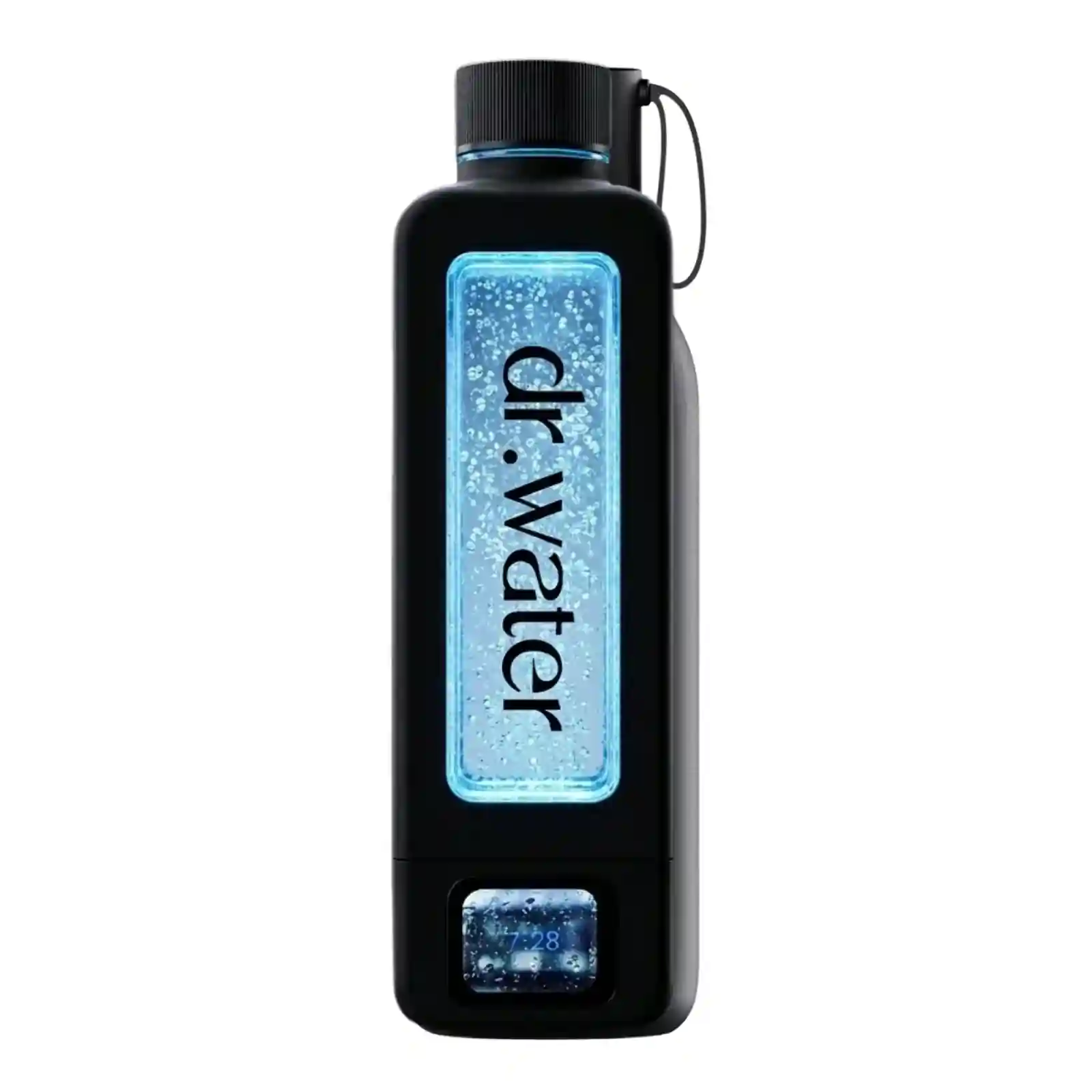 |  | 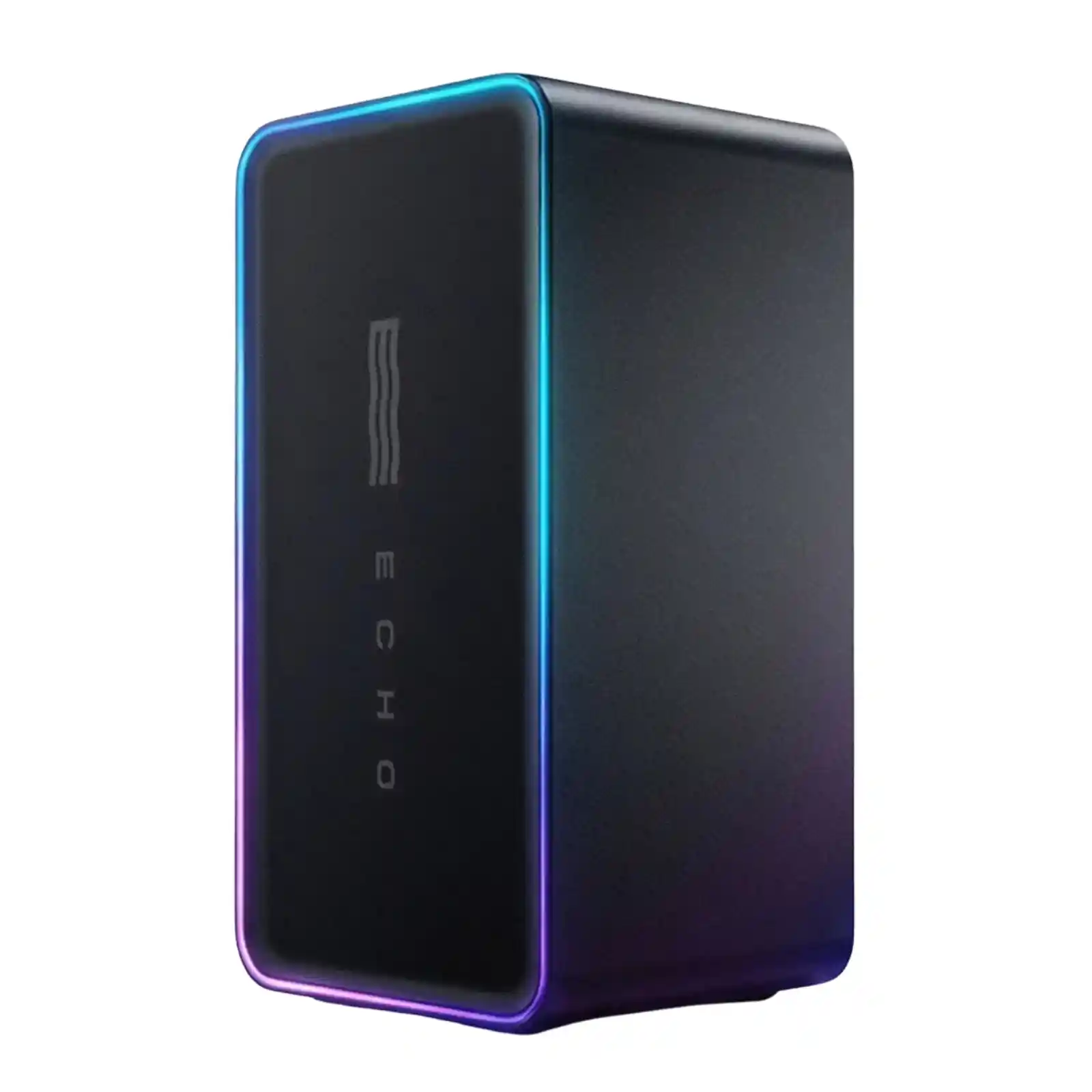 |
Dr.Water Hydrator Max | PUREPEBRIX Pro | ECHO One |
Disclaimer: These recommendations are based on a combination of testing, product specifications, verified user experience, hydrogen concentration, PEM/SPE electrolysis technology, material safety, battery performance, and overall value. Individual experiences may vary depending on usage patterns and hydration needs.
How I Evaluated Hydrogen Water Devices
I evaluated hydrogen water devices based on product specifications, technology, material safety, hydrogen output claims, warranty, replacement support, and customer feedback patterns.
I prioritize devices that:
- Clearly explain SPE/PEM technology
- Provide hydrogen output information (ppm or ppb)
- Use safe water-contact materials
- Disclose electrode materials
- Avoid exaggerated health claims
- Include clear cleaning instructions and warranty support
- Provide testing details where available
My approach focuses on the factors that matter most for daily use: safety, reliability, maintenance, durability, and long-term value.
How to Choose the Best Hydrogen Water Device
The best hydrogen water device is not always the most expensive one. Before comparing bottles, pitchers, and machines, check these key factors to find a device that matches your needs.
✓
SPE/PEM Technology
⌄
Why it matters:
SPE/PEM technology helps separate hydrogen from oxygen during electrolysis and can improve hydrogen generation quality.
What to check:
What to check:
- Clearly mentions SPE/PEM technology
- Explains the membrane system
- Avoids vague "advanced electrolysis" claims
✓
Verified Hydrogen Output
⌄
Why it matters:
Hydrogen output shows how much dissolved hydrogen the device produces. A high number alone does not prove better performance.
What to check:
What to check:
- ppm or ppb output information
- Testing method
- Generation time
- Third-party verification where available
✓
Material Safety
⌄
Why it matters:
Water-contact materials affect taste, durability, and long-term use.
Look for:
Look for:
- BPA-free Tritan or borosilicate glass
- Food-grade seals
- Safe electrode materials
- Clear material disclosure
✓
Electrode Quality
⌄
Why it matters:
Electrodes play an important role in hydrogen generation and overall device performance.
Check for:
Check for:
- Disclosed electrode materials
- Titanium or platinum-coated options
- Reliable build quality
✓
Cleaning & Maintenance
⌄
Why it matters:
A device that is difficult to clean can affect taste, performance, and lifespan.
Look for:
Look for:
- Self-cleaning mode
- Easy rinsing design
- Available replacement parts
- Clear cleaning instructions
✓
Warranty & Support
⌄
Why it matters:
Hydrogen water devices include electronics and batteries, so reliable support matters.
Check:
Check:
- Warranty length
- Replacement parts availability
- Customer support
- Return policy
✓
Choose Based on Your Routine
⌄
Choose a bottle if:
- You travel or go to the gym
- You want fresh single servings
- You need portability
- You want hydrogen water at home
- Multiple people will use it
- You need higher daily volume
- You want a permanent setup
Types of Hydrogen Water Devices
Hydrogen water devices usually fall into three main categories: portable bottles, pitchers, and countertop machines.
Each type has its own strengths and weaknesses.
The best option depends on where you will use it, how much water you drink, and how much convenience you want.
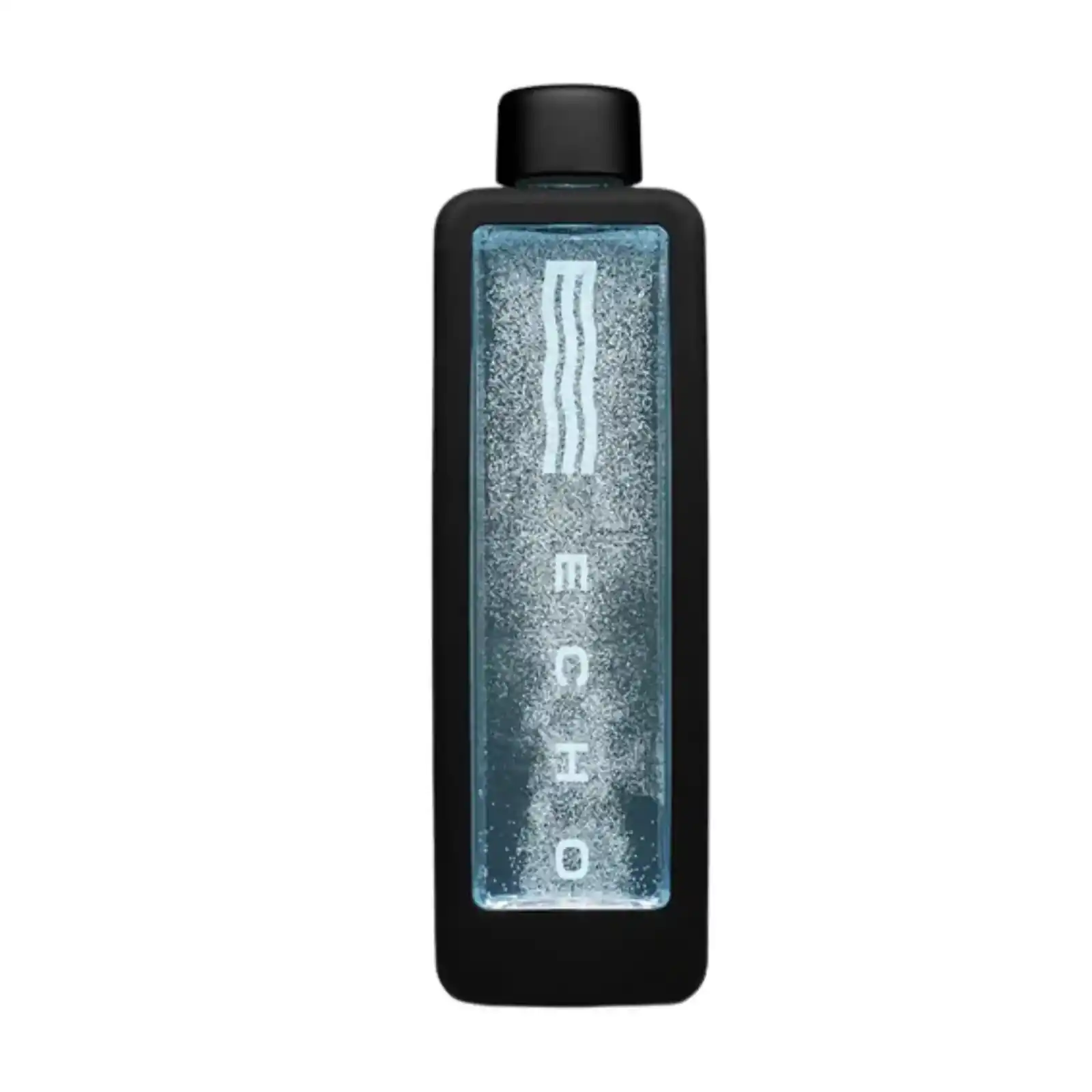
Our Top Pick For Hydrogen Bottle
Dr. Water Hydrator Max
The Dr. Water Hydrator Max is our top pick because it offers the most complete overall package. With up to 10,000 ppb hydrogen output, plus UV mode, self-cleaning, and a smart touchscreen, it goes beyond basic hydration. For the most advanced, convenient, and performance-focused bottle, this one stands out.
Dr. Water Hydrator | echo flask | PUREPEBRIX | PIURIFY | IonBottles |
|---|---|---|---|---|
|  | 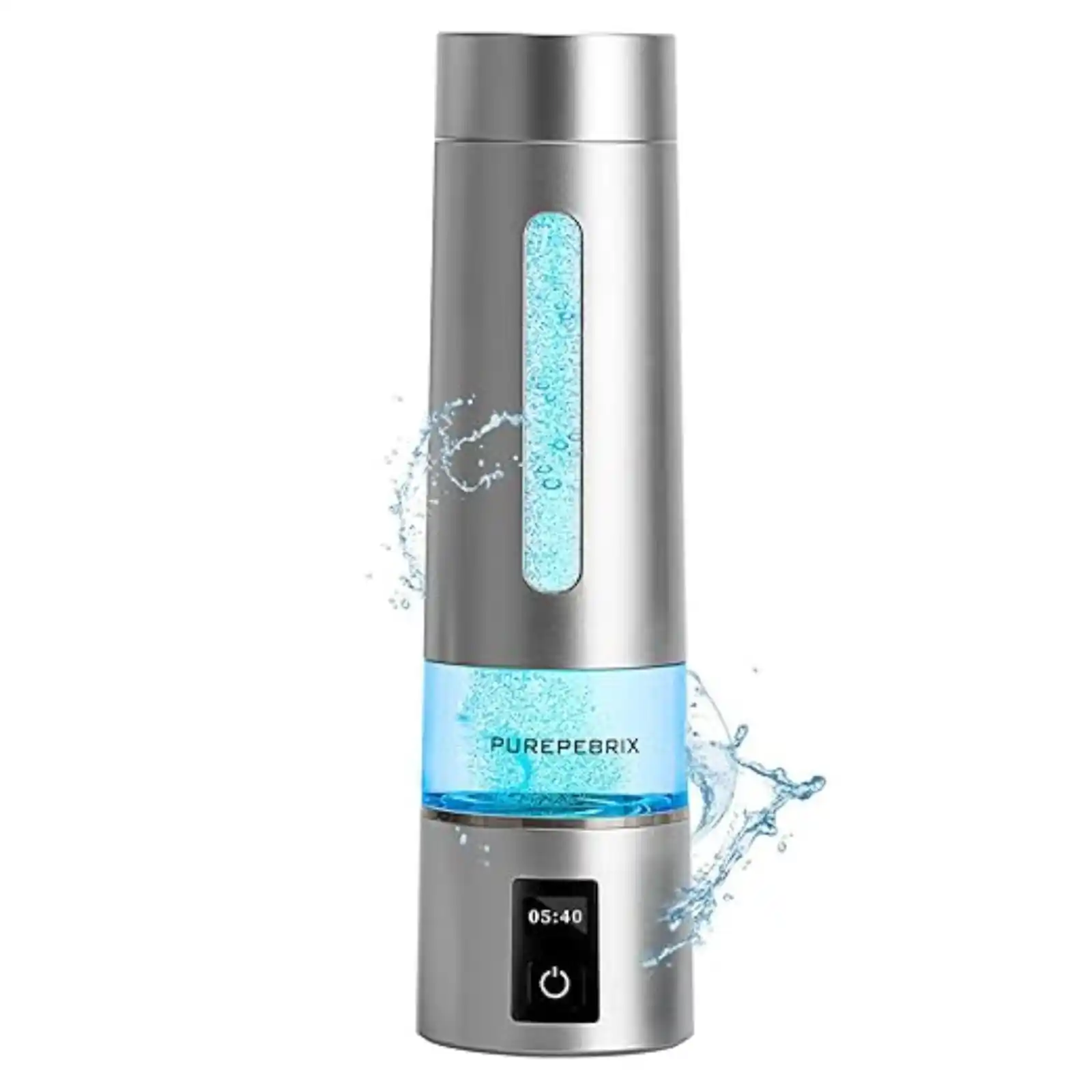 | 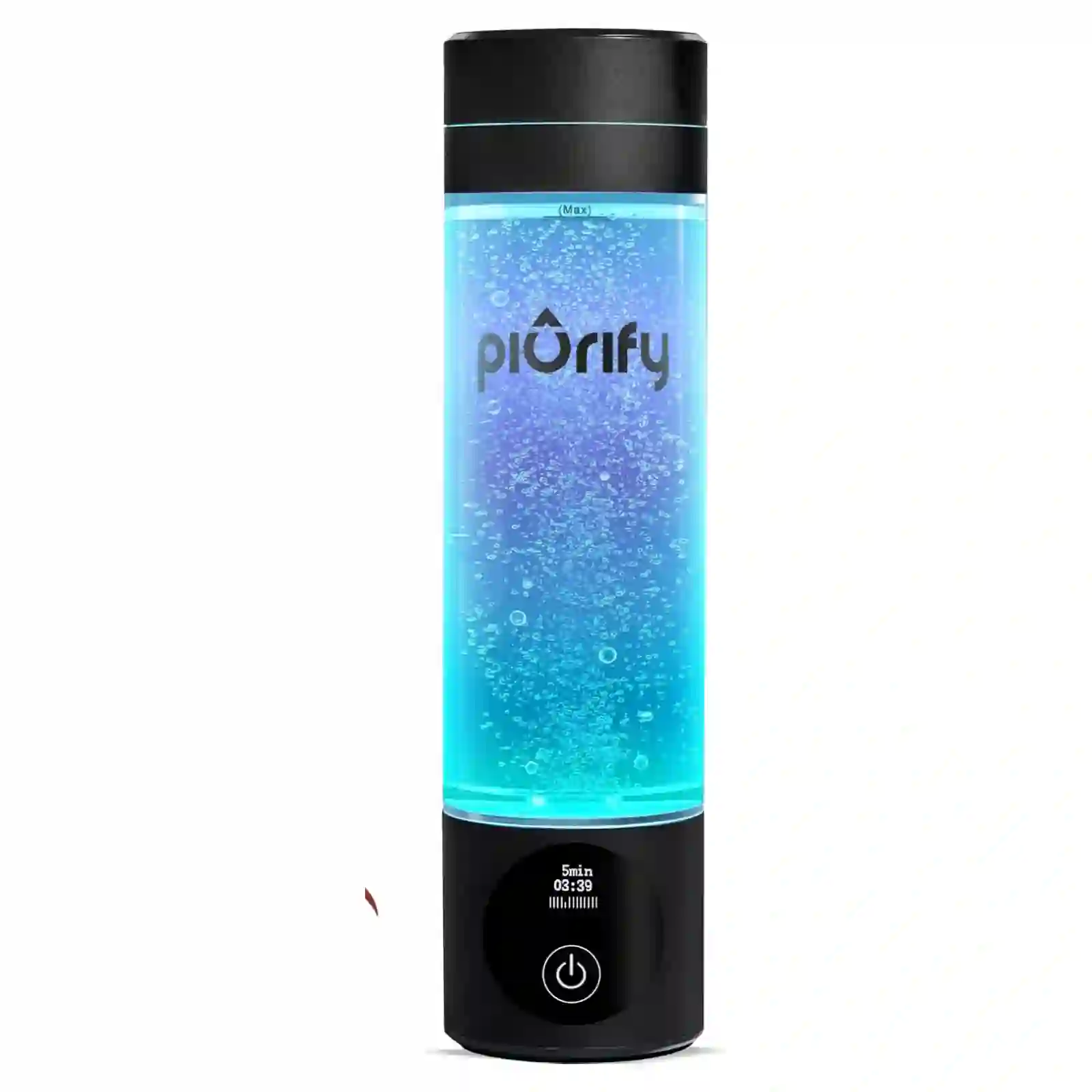 |  |
Best Overall Pick | Best Smart Features | Best Premium Design | Best Warranty Support | Best Premium Concentration |
⭐ 9.9/10 | ⭐ 9.8/10 | ⭐9.6/10 | ⭐9.5/10 | ⭐9.4/10 |
1. Portable Hydrogen Water Bottles

Portable hydrogen water bottles are the most common choice for beginners.
They are compact, rechargeable, and made for single servings. Most use a base or built-in electrolysis chamber to generate hydrogen water in a few minutes.
Best For
Portable bottles are best for:
- work
- gym
- travel
- desk use
- car use
- daily single servings
- people who want fresh hydrogen water on demand
What to Look For
- SPE/PEM technology
- 1000–3000 ppb output range or clear ppm information
- BPA-free Tritan or borosilicate glass body
- Food-grade seals
- Safe electrode materials
- USB-C or reliable charging
- Easy cleaning mode
- Leak-resistant design
- Warranty support
Our how to choose the best hydrogen water bottle guide explains the key factors to compare before buying.
What to Avoid
- Do not mention SPE/PEM
- Only focus on bubbles
- Smell strongly of plastic
- Make extreme health claims
- Have no warranty
- Do not disclose materials
- Have poor customer feedback about leaking or charging
My Practical Take
As someone who loves traveling, I know that carrying a large countertop machine is not practical. If you spend most of your time traveling, commuting, or away from home, a portable hydrogen water bottle makes much more sense.
For most people, a mid-range SPE/PEM hydrogen water bottle is the best starting point. It gives you fresh hydrogen water without needing a large appliance or complicated setup.
If you want product-specific options, checkout our Best Hydrogen Water Bottle guide.
Our Top Pick For Hydrogen Pitchers
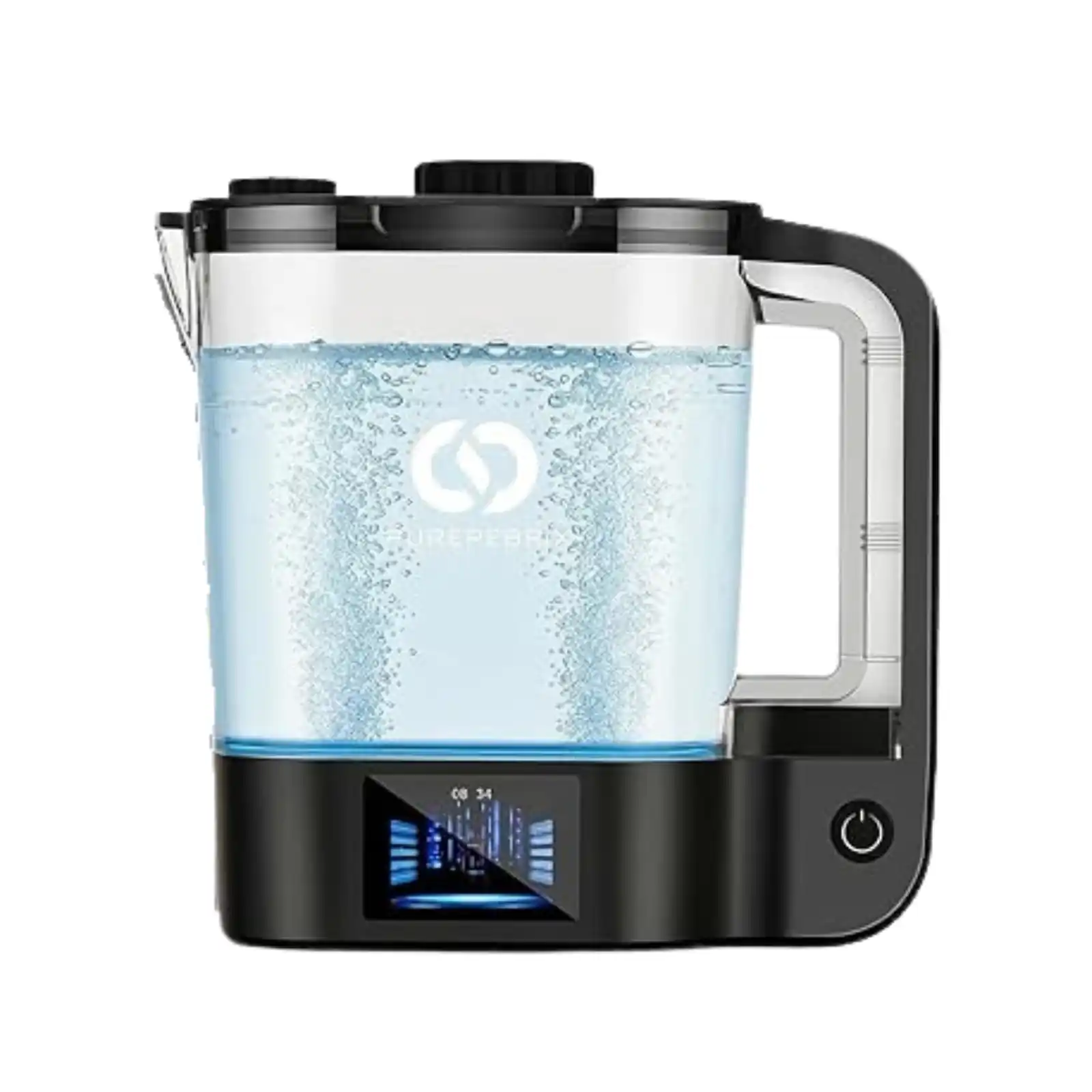
Purepebrix Pro
Choose the Purepebrix Hydrogen Water Pitcher for its family-sized capacity and next-gen SPE/PEM technology, delivering high-quality, antioxidant-rich water in just minutes. Its customizable cycles and cordless design make it the perfect, simple hydration solution for your whole family.
Purepebrix | Dr.Water | Piurify | Ionbottles |
|---|---|---|---|
 |  | 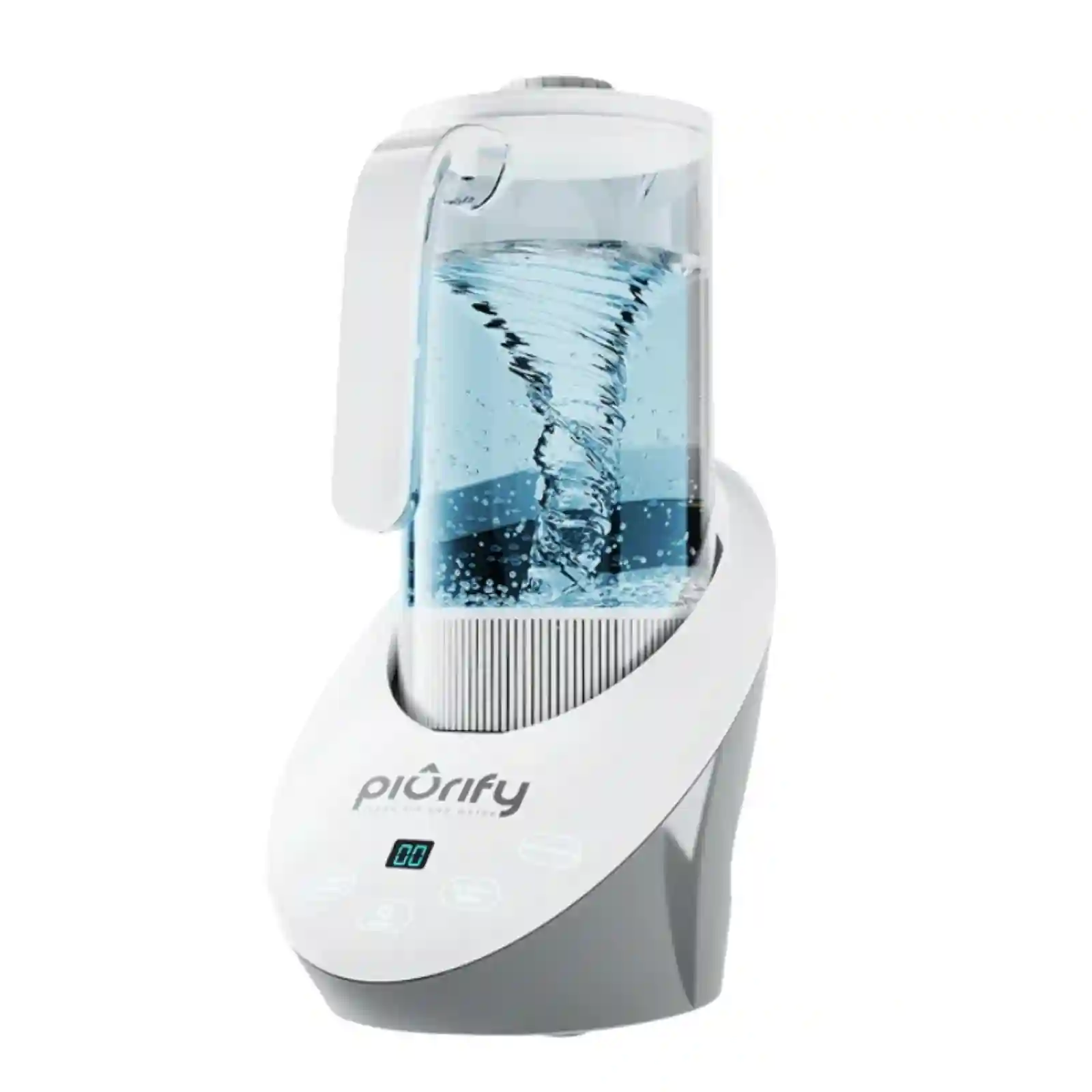 | 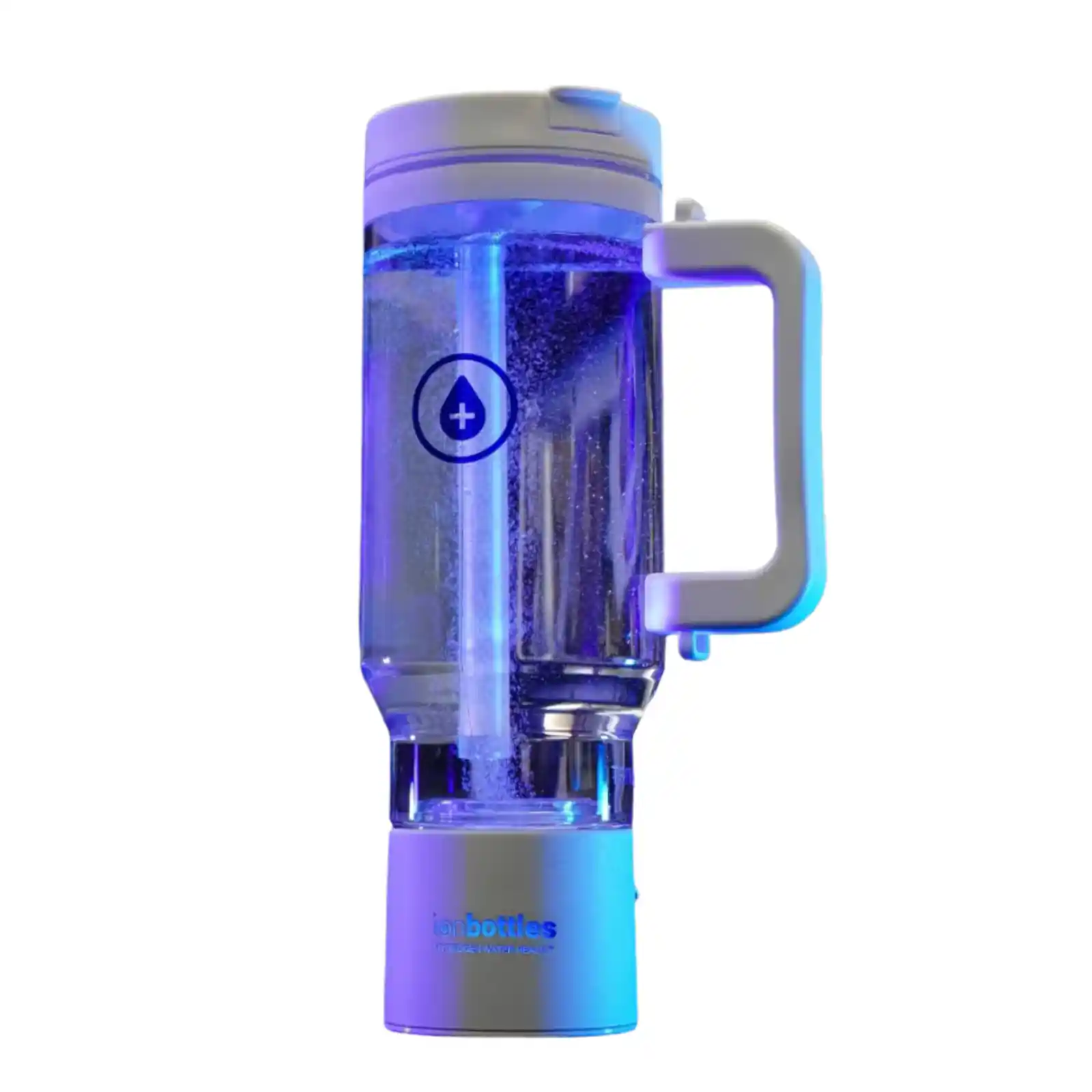 |
Best Overall | Best For Everyday | Best For Premium | Best For Portable |
⭐9.9/10 | ⭐ 9.8/10 | ⭐9.6/10 | ⭐9/10 |
2. Hydrogen Water Pitchers

Hydrogen water pitchers are designed for home use.
They usually make more water than a portable bottle, which makes them useful for kitchens, couples, or families.
Some pitchers use electrolysis. Others may combine filtration with hydrogen generation.
Best For
Hydrogen water pitchers are best for:
- Home kitchens
- Shared family use
- People who want larger capacity
- Users who prefer pouring water from a pitcher
- People who do not want multiple single-serving cycles
Main Trade-Off
The biggest concern with pitchers is hydrogen retention.
Once the pitcher is opened and water is poured, dissolved hydrogen can start escaping. This does not mean pitchers are useless, but it means design quality and seal quality matter.
What to Look For
- Hydrogen output
- Generation time
- Capacity
- Filter type
- Replacement filter cost
- Lid seal quality
- Cleaning process
- Warranty
What to Avoid
Avoid pitchers that mainly promote alkaline pH but do not clearly show dissolved hydrogen output.
If the pitcher is mostly an alkaline filter with a hydrogen label, it may not be the best choice for actual hydrogen-rich water.
My Practical Take
A hydrogen water pitcher makes sense if you want more volume at home. But for maximum freshness, drink the water soon after generation instead of letting it sit for hours.
Our Top Pick For Hydrogen Machines
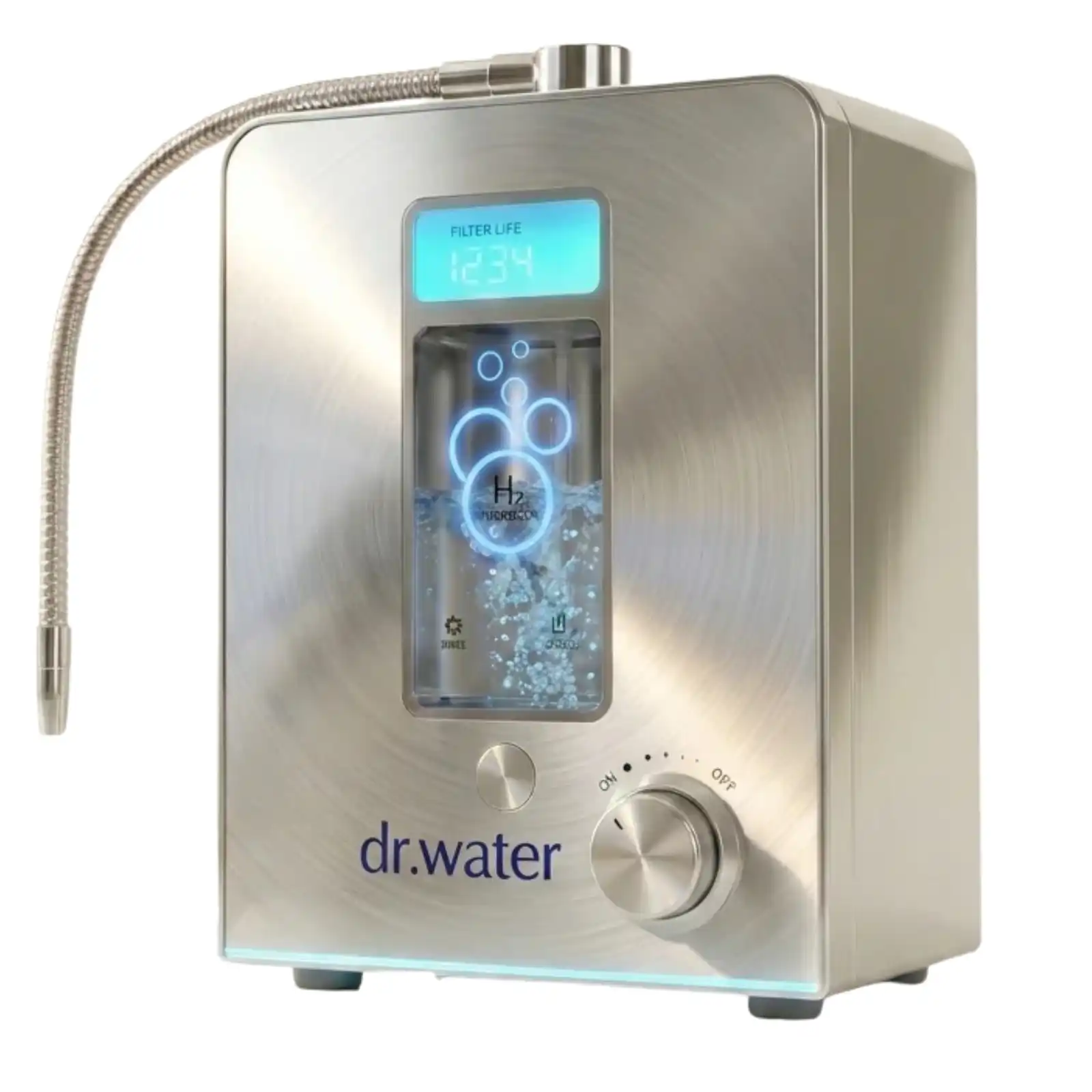
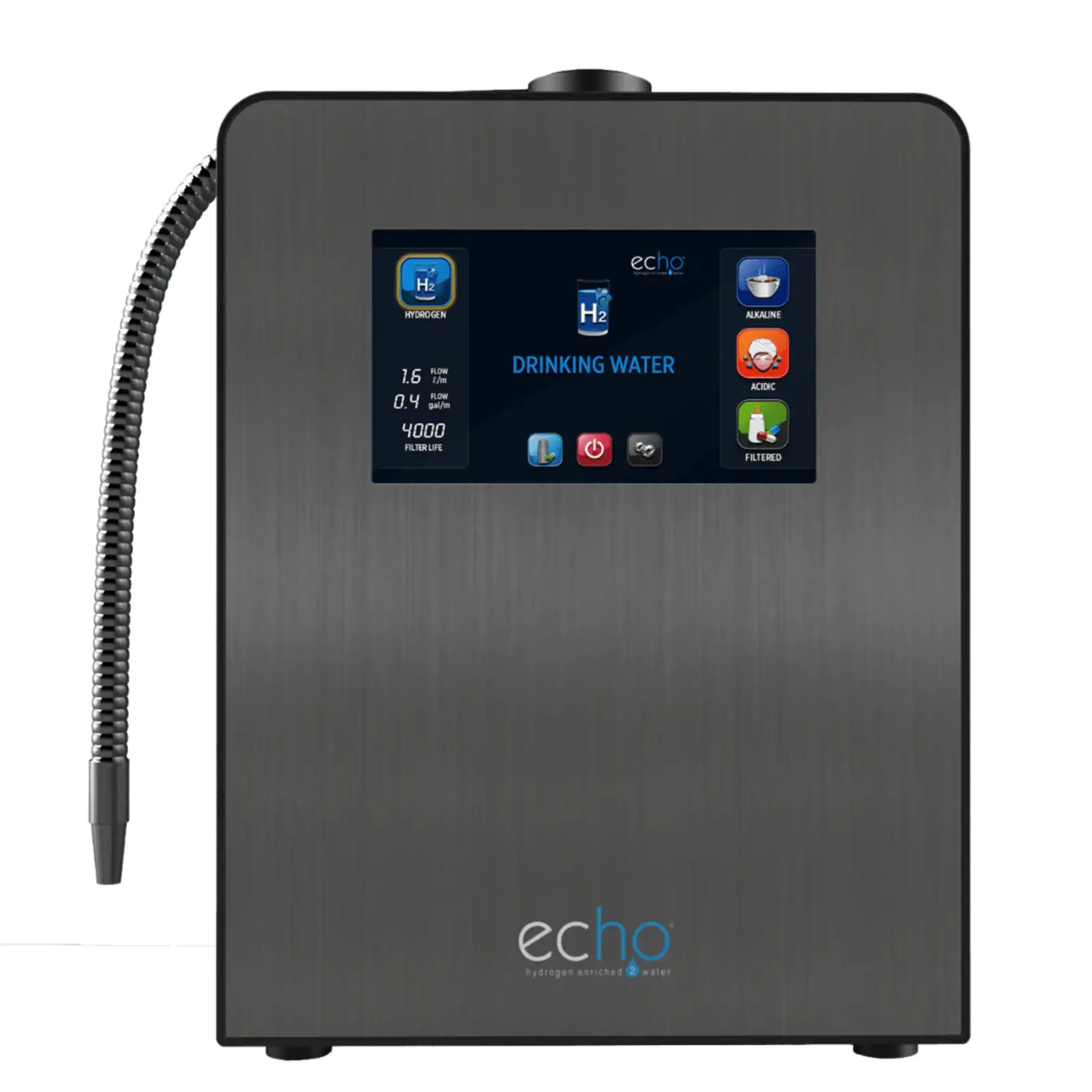
Dr. Water Hydrogen Water RO Machine
Dr Water Hydrogen Water Machine combines advanced filtration, hydrogen-rich water production, and countertop convenience in one system.
3. Countertop Hydrogen Water Machines

Countertop hydrogen water machines are larger and more expensive.
They are made for people who want higher daily volume, stronger convenience, or a more permanent setup.
Some machines connect to a water line. Others use a refillable tank or reservoir.
Best For
Countertop machines are best for:
- families
- high daily use
- home wellness routines
- offices
- clinics
- people who want repeated servings
- users who prefer a fixed appliance
Why They Cost More
Countertop machines may include:
- larger hydrogen generation systems
- better filtration
- bigger reservoirs
- stronger components
- higher output capacity
- longer warranty support
- installation options
- more advanced controls
What to Look For
Before buying a countertop machine, check:
- SPE/PEM technology
- filtration system
- hydrogen output
- reservoir size
- installation requirements
- filter replacement cost
- cleaning and descaling instructions
- warranty length
- customer support quality
What to Avoid
Avoid countertop machines that cost a lot but do not explain hydrogen output or internal technology clearly.
A high price does not automatically mean high performance.
My Practical Take
A countertop hydrogen water machine only makes sense if hydrogen water is part of your daily routine or multiple people will use it. If you only want to try hydrogen water, start with a bottle first.
Bottles vs Pitchers vs Machines: Side-by-Side Comparison
| Feature | Portable Bottle | Hydrogen Pitcher | Countertop Machine |
|---|---|---|---|
| Best For | Work, gym, travel, daily single servings | Home use and shared drinking | High-volume daily use |
| Typical Price Range | $60–$300 | $150–$500 | $400–$2,500+ |
| Portability | High | Low to moderate | Not portable |
| Capacity | Usually 300–500 ml | Usually 1–2 liters | 1.5–3 liters or continuous flow |
| Power Source | Rechargeable battery | AC adapter or rechargeable base | AC power or water-line connection |
| Freshness | Very good if consumed right away | Depends on seal and storage | Good for repeated household use |
| Maintenance | Low to moderate | Moderate | Moderate to high |
| Best Buyer | Beginner or daily individual user | Family or home user | Heavy-use buyer |
| Main Drawback | Small capacity | Hydrogen can escape after opening | Higher price and more maintenance |
Quick Decision Guide
- Choose a portable bottle if you want hydrogen water at work, at the gym, while traveling, or one serving at a time.
- Choose a pitcher if you want hydrogen water at home and need more capacity for shared use.
- Choose a countertop machine if you drink hydrogen water every day, want higher volume, or are buying for a family.
- Choose tablets if you only want to try hydrogen water occasionally before buying a device.
What Is Hydrogen Water?

Hydrogen water is regular drinking water infused with extra molecular hydrogen gas (H₂).
Unlike the hydrogen already bonded inside H₂O, this added hydrogen remains dissolved as free H₂ gas. It can be added through electrolysis devices, tablets, or other hydrogen-generation methods.
The key factor is not bubbles or device design, but the amount of dissolved hydrogen that remains in the water when you drink it.
Hydrogen Water vs Alkaline Water
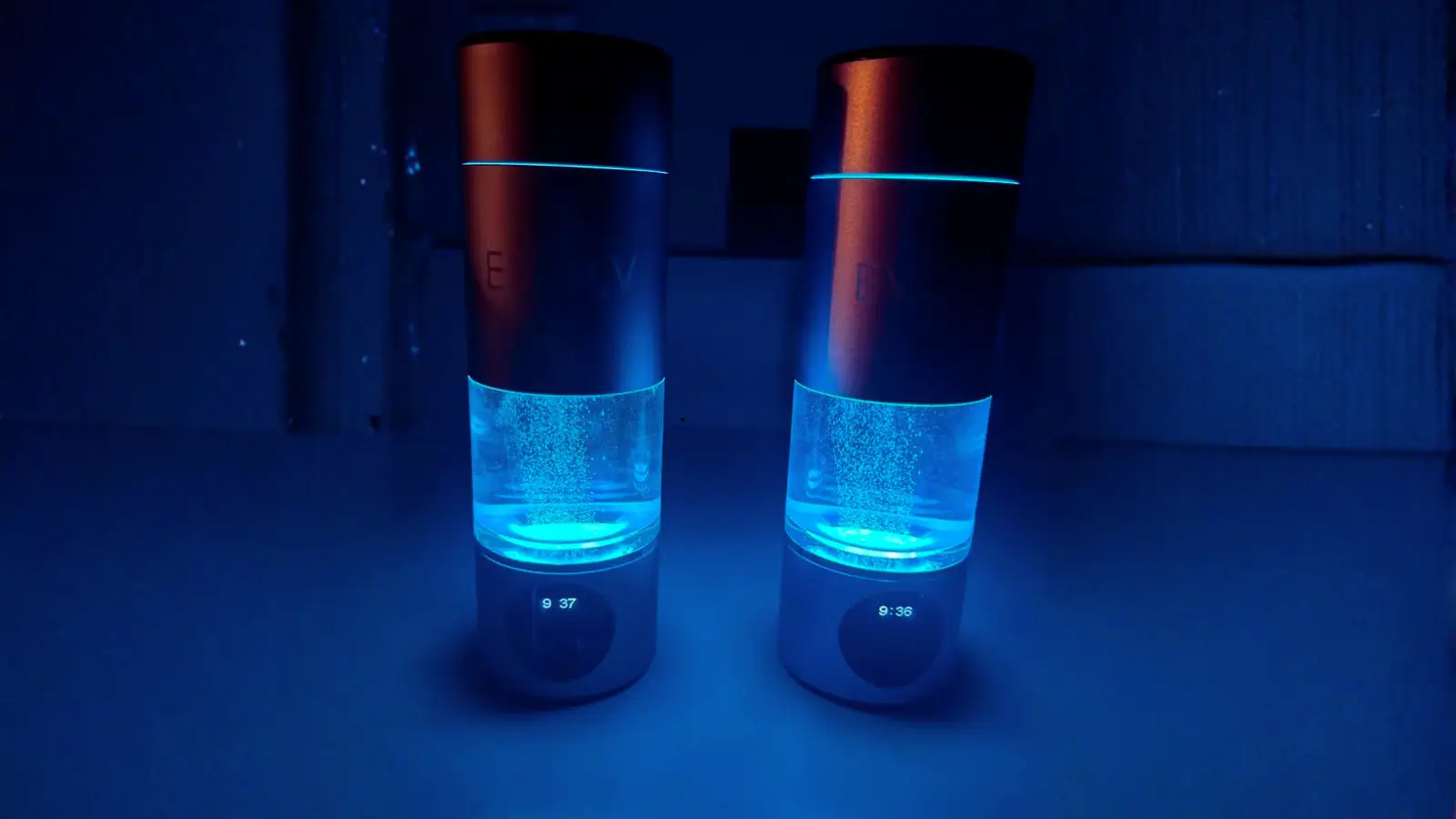
Hydrogen water and alkaline water are often confused, but they measure different things.
Alkaline water is about pH level, while hydrogen water is about dissolved molecular hydrogen (H₂).
A device can increase water’s pH without producing meaningful hydrogen, and a hydrogen water device can produce dissolved hydrogen without making the water highly alkaline.
A high pH number does not prove strong hydrogen output. When choosing a device, check for verified hydrogen levels in ppm or ppb, not just alkaline claims.
Is Hydrogen Water Safe?

Molecular hydrogen has been reviewed for use in beverages. The FDA’s GRAS Notice No. 520 lists hydrogen gas as an acceptable ingredient in drinking water and other beverages.
However, this does not mean hydrogen water is FDA-approved to treat or prevent health conditions. It only confirms that hydrogen gas has been reviewed for food and beverage use.
The safety of a hydrogen water device also depends on its design, including material quality, electrolysis technology, membrane system, and cleaning requirements.
How Hydrogen Water Devices Work

Most hydrogen water devices use electrolysis, a process that uses electricity to split water into hydrogen and oxygen gases. The hydrogen is then dissolved into the water.
Basic devices may generate hydrogen in a single chamber, which can increase the risk of unwanted byproducts mixing with the water.
Better-designed devices use SPE/PEM technology to help separate hydrogen from oxygen and improve water quality.
Two devices may look similar from the outside, but their real difference comes from the internal technology: membrane quality, electrodes, seals, and verified hydrogen output.
What Is SPE/PEM Technology?
SPE and PEM are common terms used in hydrogen water devices.
- SPE stands for Solid Polymer Electrolysis.
- PEM stands for Proton Exchange Membrane or Polymer Electrolyte Membrane.
In simple terms, SPE/PEM technology uses a membrane to help separate hydrogen from oxygen during electrolysis. Learn more about PEM technology and how proton exchange membranes work in hydrogen production.
This separation is important because it helps reduce unwanted gases or byproducts from mixing with the drinking water.
When comparing hydrogen water devices, SPE/PEM technology is one of the key factors to check because it affects hydrogen generation, water quality, and overall device performance.
For buyers, the simple rule is this:
If you are choosing a hydrogen water bottle, pitcher, or machine, look for clear SPE/PEM technology. If the brand only says “advanced electrolysis” without explaining the membrane, check carefully before buying.
| Technology | How It Works | Main Benefit | Main Drawback |
|---|---|---|---|
| Standard Electrolysis | Uses electrodes to split water into hydrogen and oxygen | Usually cheaper | May not separate unwanted byproducts well |
| SPE/PEM Electrolysis | Uses a membrane to help separate hydrogen from oxygen and byproducts | Better safety design and cleaner hydrogen generation | Usually more expensive |
| Magnesium Reaction | Magnesium reacts with water and releases hydrogen gas | No electricity needed | Output can vary and may affect taste | Hydrogen Tablets | A tablet dissolves and releases hydrogen gas | Portable and easy | Not reusable and cost adds up over time |
Why Bubbles Do Not Prove a Device Works

Bubbles do not prove high dissolved hydrogen levels. They may contain oxygen, or hydrogen that escapes before you drink it.
The real measure is ppm or ppb, not visible fizz. But output numbers alone do not tell the whole story. Read our breakdown of whether hydrogen water devices really work before choosing a device.
Before buying, check:
- Hydrogen output
- SPE/PEM technology
- Material safety
- Testing details
- Warranty support
A device that only shows bubbles and makes health claims is not enough proof of quality.
What Hydrogen Output Means: ppm and ppb

Hydrogen output is measured in ppm (parts per million) or ppb (parts per billion).
1 ppm = 1000 ppb
Many hydrogen water devices advertise outputs around 1000–3000 ppb, but a higher number does not always mean better performance.
When comparing devices, check:
- Actual ppm or ppb output
- Testing method
- Water volume and generation time
- Third-party verification
- Hydrogen retention after generation
A reliable product should explain how its hydrogen output was measured, not just display a high number.
What Does Research Say About Hydrogen Water?
Hydrogen water research is promising, but it is still developing.
Some studies suggest potential benefits related to antioxidant activity, inflammation markers, exercise recovery, and oxidative stress. However, current evidence is not strong enough to consider hydrogen water a proven medical treatment.
A 2024 systematic review reported potential antioxidant and anti-inflammatory effects, but noted that larger human studies are still needed.
Hydrogen water may support a wellness routine for some people, but it should not replace medical care, medication, a balanced diet, or proper hydration.
If you want to understand the potential wellness benefits and what current research actually says, see our complete hydrogen water benefits guide.
Do Hydrogen Water Devices Actually Work?

Hydrogen water devices are not all equal. A good device should offer:
- SPE/PEM technology
- Clear ppm or ppb output
- Safe water-contact materials
- Disclosed electrode details
- Sealed generation design
- Easy cleaning
- Warranty support
- Realistic claims
Be cautious with devices that only promote alkaline pH, bubbles, detox claims, or unrealistic health benefits.
The key question is not just whether a device produces hydrogen, but whether it can produce clean, measurable hydrogen-rich water consistently over time.
Hydrogen Retention: Why Freshness Matters
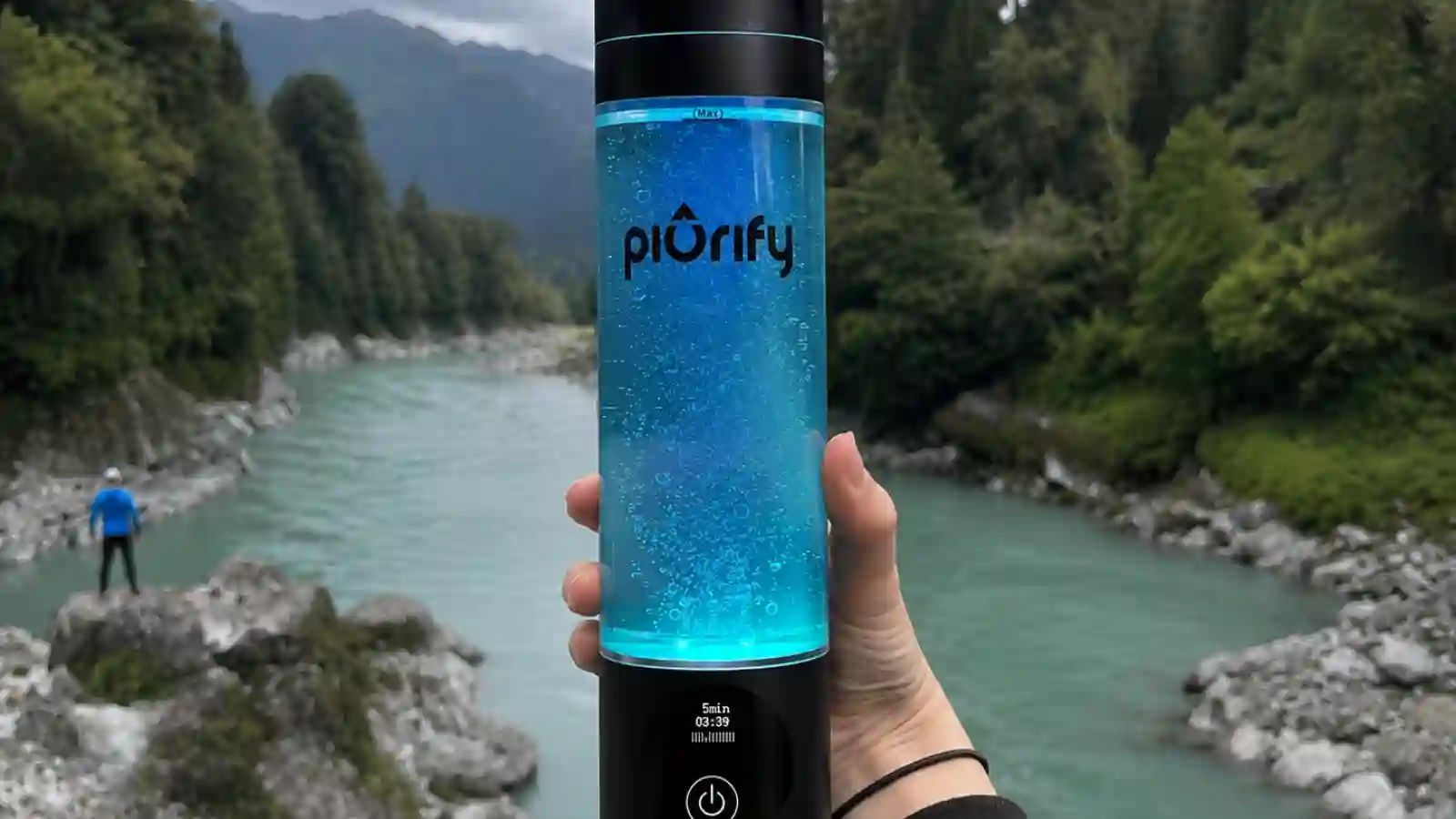
Hydrogen is a very small molecule, and dissolved hydrogen can escape from water over time.
Research on hydrogen-rich water storage shows that container material and storage conditions can affect how quickly hydrogen diffuses out of the water.
Heat, shaking, open containers, and larger surface area can speed up hydrogen loss.
For everyday use, the safest practical advice is simple: Drink hydrogen water soon after generation.
Best Storage Tips
- Drink it fresh when possible.
- Keep the bottle or pitcher closed until drinking.
- Avoid shaking the water.
- Do not leave hydrogen water in a hot car.
- Use cool water when possible.
- Avoid making a full-day supply in the morning.
- Use a sealed container if you need to carry it for a short time.
A portable bottle can be useful because it lets you make hydrogen water right before drinking.
Cost Analysis: When Should You Pay More?
The cheapest hydrogen water device is not always the best value.
A $50 bottle with weak output, no SPE/PEM technology, and no replacement support may cost more in the long run if it fails quickly or does not produce meaningful hydrogen.
A more expensive device may be worth it if it offers:
- better technology
- safer materials
- stronger hydrogen output
- better seals
- replacement parts
- warranty support
- easier cleaning
- longer lifespan
Simple Cost Formula
Device price + replacement filters + cleaning parts + estimated electricity cost ÷ total liters produced over two years
This gives you a better idea of real value than the upfront price alone.
Practical Buying Advice
- For most beginners, a mid-range SPE/PEM portable bottle is usually enough.
- For families or daily heavy use, a pitcher or countertop machine may make better sense.
- For casual testing, tablets or an entry-level bottle may be enough, as long as you keep expectations realistic.
Maintenance, Safety, and Longevity

A hydrogen water device is not just a bottle. It is a small appliance.
Good maintenance helps protect taste, hydrogen output, battery life, seals, and long-term safety.
1. Use the Right Water
Filtered water is often a better choice than hard tap water.
Hard water can leave mineral scale inside the chamber, especially around electrodes and membranes. Over time, this may reduce performance and make cleaning harder.
Always follow the manufacturer’s instructions because some devices may recommend filtered water, while others may have specific water requirements.
2. Clean It Regularly
Do not skip cleaning. Even if the device looks clean, the chamber, lid, and seals can collect residue over time.
Regular cleaning can help prevent:
- odor
- mineral buildup
- poor taste
- biofilm
- weaker output
- leaking
- shorter device life
If your device has a self-cleaning mode, use it as directed.
3. Inspect Seals and Gaskets
Seals are important because dissolved hydrogen can escape through small gaps.
- Check the lid, O-ring, gasket, and base connection regularly.
- Replace seals if they look cracked, loose, sticky, or worn.
A small seal problem can affect both leakage and hydrogen retention.
4. Replace Filters on Time
If your pitcher or countertop machine uses filters, follow the replacement schedule.
Old filters can affect taste, flow, and overall performance.
Before buying any machine or pitcher, check replacement filter cost. A low device price can become expensive if filters are costly or hard to find.
Common Myths About Hydrogen Water Devices
Hydrogen water marketing can be confusing. These myths are worth clearing up before you buy.
Myth 1: Hydrogen Water Is the Same as Alkaline Water
No. Alkaline water is about pH. Hydrogen water is about dissolved H₂ gas.
A high pH does not prove strong hydrogen concentration.
Myth 2: More Bubbles Mean More Hydrogen
No. Bubbles may look impressive, but dissolved hydrogen is invisible. What matters is ppm or ppb output, not how dramatic the cycle looks.
Myth 3: Any Electrolysis Bottle Works
No. Basic electrolysis may generate some hydrogen, but better devices use SPE/PEM technology to improve separation and reduce unwanted byproducts.
Myth 4: Higher ORP Always Means Better Quality
Not always. ORP can be one signal, but it should not be the only thing you trust.
You still need to check SPE/PEM technology, hydrogen output, material safety, cleaning, warranty, and realistic product claims.
Myth 5: Expensive Always Means Better
No. Some premium machines are excellent, but price alone does not prove performance.
A good mid-range bottle with clear technology and output information may be better value than an expensive device with vague claims.
Red Flags to Avoid
Be careful if a hydrogen water device has:
- no SPE/PEM information
- no ppm or ppb output
- no testing explanation
- no material disclosure
- no warranty
- no replacement parts
- only alkaline pH marketing
- strong plastic smell complaints
- leaking complaints
- vague “advanced water” language
- miracle medical claims
- no cleaning instructions
- unrealistic antioxidant promises
A good product should make its claims easy to understand.
If the brand hides basic information, it is usually not the safest choice.
Trust and Sourcing Standards
For hydrogen water device recommendations, I give more weight to products that:
- clearly disclose SPE/PEM technology
- explain hydrogen output in ppm or ppb
- provide testing information where available
- use BPA-free, Tritan, glass, or food-grade water-contact materials
- explain electrode materials
- avoid exaggerated medical claims
- provide warranty support
- include clear cleaning instructions
- have consistent customer feedback around usability and reliability
I do not recommend choosing a device only because it is popular, discounted, or heavily advertised.
Frequently Asked Questions
Are hydrogen water devices worth it?
They can be worth it if the device uses SPE/PEM technology, shows clear hydrogen output, uses safe materials, and fits your daily routine. A cheap device with vague claims and no output details is usually not a smart buy.
Is hydrogen water the same as alkaline water?
No. Hydrogen water contains dissolved molecular hydrogen gas. Alkaline water has a higher pH. A device can make alkaline water without producing much dissolved hydrogen.
What is the best type of hydrogen water device?
For most beginners, a portable SPE/PEM hydrogen water bottle is the best starting point. Pitchers are better for home use, while countertop machines are better for families or heavy daily use.
What does SPE/PEM mean in hydrogen water bottles?
How much hydrogen should a device produce?
Many buyers look for output around 1000–3000 ppb, but the number only matters if the brand explains how it was tested. Do not trust high ppb claims without context.
Do bubbles mean the device is making strong hydrogen water?
No. Bubbles do not prove dissolved hydrogen concentration. What matters is the actual ppm or ppb level in the water after generation.
How fast does hydrogen leave the water?
Hydrogen can escape over time, especially when the container is open, warm, or shaken. For best results, drink hydrogen water soon after generation.
Can I use tap water in a hydrogen water device?
It depends on your device and water quality. Filtered water is often better because it may reduce mineral buildup and improve taste. Always follow the manufacturer’s instructions.
Are hydrogen water devices safe?
A well-made device with safe materials, SPE/PEM technology, and proper cleaning instructions is generally a safer choice. Avoid devices with vague materials, no technology details, or unrealistic health claims.
Can hydrogen water cure health problems?
No. Hydrogen water should not be treated as a cure or medical treatment. Research is still developing, and it should not replace medical advice, medication, or a healthy lifestyle.
Final Verdict: What Actually Matters
Hydrogen water devices can be useful, but only if the device is built well enough to produce meaningful dissolved hydrogen.
Do not buy based on bubbles, alkaline pH, or dramatic health claims.
A better buying decision comes down to:
- SPE/PEM technology
- clear hydrogen output
- safe materials
- realistic claims
- good seals
- easy cleaning
- warranty support
- a format that fits your routine
For most people, a portable SPE/PEM hydrogen water bottle is the best first choice. A pitcher makes sense for home use. A countertop machine is better for families or high-volume daily use.
Hydrogen water is still an emerging wellness category, so it is best to stay balanced. Treat it as a possible hydration upgrade, not a medical solution.
Zainab Khursheed!
Hey there, I’m Zainab.
I created Water Bottle Experts to help people make smarter decisions when choosing hydration products and water technology.
For hydrogen water devices, I focus on the details that matter beyond marketing claims, including hydrogen output, SPE/PEM technology, material safety, maintenance, and long-term usability.
Through research, product comparisons, and analysis of specifications, customer feedback, and available testing information, I create practical guides to help you understand which devices are worth considering and which claims need a closer look.
My goal is simple: make complex water technology easier to understand so you can choose products that fit your lifestyle with confidence.
How I Chose These Bottles
This guide is based on a detailed review of hydrogen water device technology, including SPE/PEM systems, hydrogen output claims, material safety, electrode information, maintenance requirements, warranty support, and user feedback patterns.
I do not personally test every device featured on this site. Instead, I compare manufacturer specifications, available testing information, product details, and common customer experiences to understand which devices offer better long-term value.
For this guide, I focused on the factors that matter most when choosing a hydrogen water device:
– Verified hydrogen output (ppm or ppb)
– Electrolysis technology and membrane design
– Water-contact materials
– Electrode quality
– Cleaning and maintenance requirements
– Battery, filter, and replacement support
– Warranty and customer service
The goal is simple: to recommend devices based on practical performance, safety, reliability, and everyday usability rather than marketing claims alone.