
- Home
- Buying Guides
HYDROGEN WATER DRINKWARES
- Size & Comparisons
- Education
WATER BOTTLE GUIDES
Best Durable Water Bottles That Survive Real Life: Buyer’s Guide & Comparison
Leave a comment / Blog / By Zainab.K / 30 June 2026
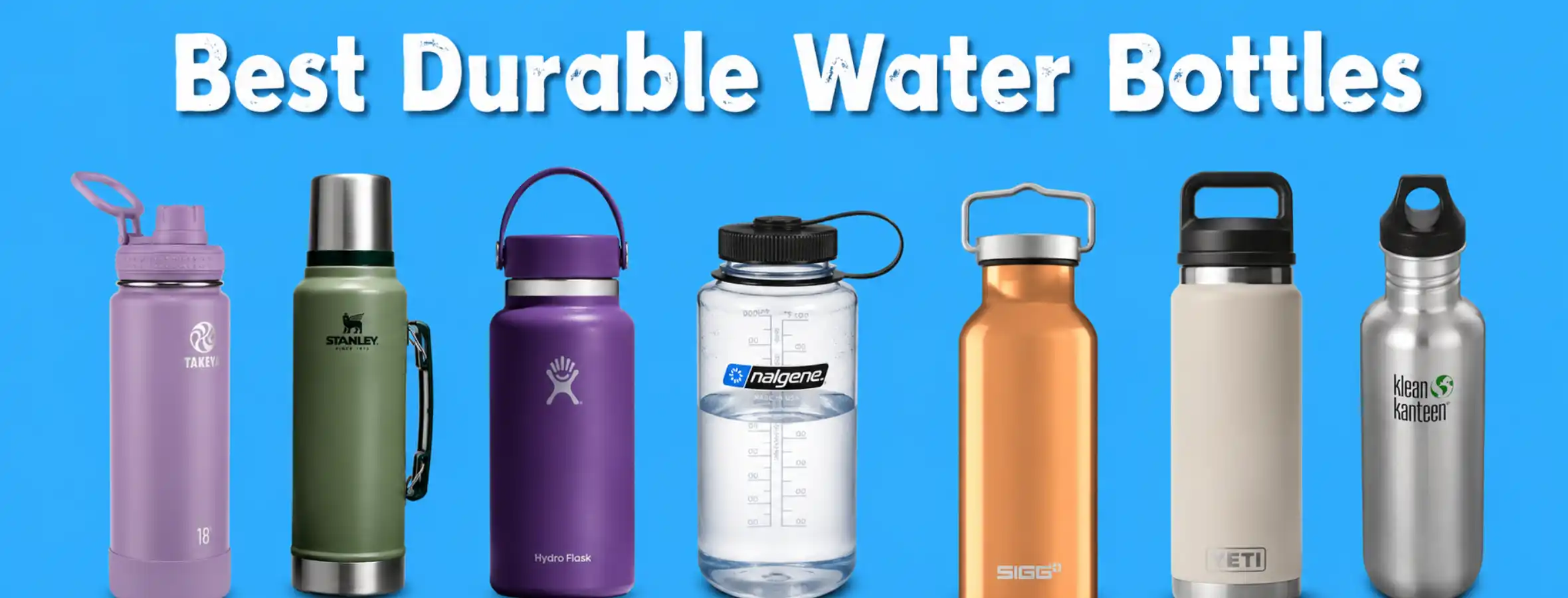
Table of Contents
Quick Answer
Choose the Hydro Flask Wide Mouth if you want a strong everyday bottle for school, office, gym, and commuting. It is easy to use, keeps drinks cold, and has plenty of lid options.
Choose the YETI Rambler or Stanley Classic if your bottle goes through rough work, outdoor use, camping, or long days outside.
If you want something lighter and simple, Nalgene Tritan, Klean Kanteen, or SIGG Original may fit better.
How I reviewed this topic:
I reviewed these durable water bottles based on material quality, lid design, leak resistance, insulation, dent resistance, cleaning ease, replacement parts, and long term value.
I also looked at common customer review patterns, product details, warranty information, and real life use cases like commuting, gym carry, hiking, job sites, school, office use, and rough daily handling.
Best Durable Water Bottles for Real Life Use

A good water bottle should handle daily life without giving you stress. But one bad drop on concrete can quickly show where a bottle is weak.
You may notice a dent, a loose lid, worn threads, or insulation that does not perform the same anymore.
What Usually Goes Wrong
The real problem starts when the bottle leaks in your bag, wets your laptop, or shows rust inside after regular use.
Most of the time, this is not your fault. It comes down to the material, lid design, gasket quality, and overall build.
Many durable water bottles are called tough or adventure ready, but those words do not prove real performance.
What matters more is:
- drop resistance
- rust resistant stainless steel
- long lasting gasket seal
- insulation after impact
- easy replacement lids
In this guide, we will look at the best durable water bottles from a practical point of view.
You will know which bottle fits commuting, hiking, job sites, kids, or everyday use, and how to choose one that lasts for years.
Built to Last: My Top Durable Water Bottle Picks
Looking for a water bottle that can handle real daily life, not just sit nicely on a desk?
These picks are for drops, gym bags, school days, work use, hiking, and rough outdoor routines. We looked at strong materials, secure lids, dent resistance, leak control, insulation, easy cleaning, and long term value so you can choose a bottle that actually fits the way you use it.
If you want more everyday options, our guide to the best reusable water bottles can also help you compare simple daily use picks.
Hydro Flask | YETI Rambler | Klean Kanteen | Nalgene | Stanley | Takeya Actives | SIGG |
|---|---|---|---|---|---|---|
 |  |  |  |  |  |  |
⭐4.8/5 | ⭐4.5/5 | ⭐4.3/5 | ⭐4.1/5 | ⭐4.0/5 | ⭐3.8/5 | ⭐3.7/5 |
How I Choose the Best Durable Water Bottles

We do not call a bottle durable just because it looks strong in photos. A good bottle should handle real daily use without leaking, denting too easily, rusting, or losing insulation too soon.
For this guide, we compared each bottle using product details, verified customer reviews, long term user feedback, warranty support, and common complaints from real buyers.
Drop and Dent Resistance
A durable water bottle should survive normal bumps and drops without becoming difficult to use.
We looked closely at user feedback from people using these bottles in places like:
- daily commutes
- gyms
- hiking trails
- job sites
- cars and backpacks
- outdoor travel
We paid attention to dents, chipped coating, damaged base corners, loose lids, and insulation problems after impact.
If the same issue appeared in many reviews, we treated it as a real concern.
Lid and Leak Performance
A strong bottle body is not enough if the lid leaks in your bag.
That is why we checked real buyer feedback about:
- gasket wear
- thread issues
- rough closing
- weak sealing
- leaks during travel
- replacement lid availability
This helped us find bottles that stay reliable after regular use, not just when they are brand new.
Insulation Performance
For insulated bottles, we compared brand claims with real customer experiences.
We looked at how well each bottle kept drinks hot or cold during workdays, travel, hiking, and everyday use.
We also checked complaints about sudden temperature loss, because that can be a sign of vacuum seal problems.
Material and Coating Quality
Material quality matters if you want a bottle that lasts.
We checked available stainless steel details, brand information, and user complaints about rust, metallic taste, peeling paint, and weak seams.
We also looked at the outside finish. A good coating should handle daily scratches and wear without peeling too quickly.
Durability Scorecard
Each bottle was compared using the factors that matter most in real life:
- dent resistance
- lid reliability
- gasket performance
- rust resistance
- coating durability
- insulation consistency
- replacement parts
- long term value
Why This Research Matters
Our goal is simple: help you choose the best durable water bottle based on real world performance, not just marketing words.
We looked for patterns in reviews, product specs, warranty details, and common failure points.
If many users reported the same problem, we took it seriously. That way, you can choose a bottle with more confidence before spending your money
What “Durable” Really Means in a Water Bottle
A durable water bottle is not just the one that looks strong or feels heavy. The real difference is in the material, coating, lid, seams, and how well the bottle holds up in daily use.
Before you choose the best durable water bottle, it helps to understand what you are actually buying
Stainless Steel Grades: 18/8 vs 201
Most good stainless steel water bottles use 18/8 stainless steel, also called 304 stainless steel.
In simple words, chromium helps protect the steel from rust, while nickel helps it handle moisture and regular washing better.
That is why 18/8 stainless steel is usually a better choice if you want a bottle that lasts longer.
Some budget bottles may use 201 grade stainless steel. It can look similar, but it may not hold up as well around wet lids, threads, and welded seams.
That is where rust often starts first.
Quick Buying Tip
Do not depend only on a magnet test. It is better to check:
- steel grade in the product details
- brand information
- long term customer reviews
- rust complaints near the lid or seams
If the product page does not mention 18/8 or 304 stainless steel, check reviews carefully before buying.
Single Wall vs Double Wall Bottles
Single wall and double wall bottles both have their place. The best choice depends on how you plan to use your bottle.
Double wall vacuum bottles are better if you want drinks to stay hot or cold for hours. They work well for commuting, workdays, travel, outdoor jobs, and long summer days.
The trade off is weight. Double wall bottles are usually heavier and have more complex construction.
Single wall bottles are lighter and simpler. They have no vacuum layer to fail, so they can work well for ultralight hiking or basic outdoor use.
But they do not insulate, and cold drinks can cause condensation on the outside.
So choose double wall for temperature control. Choose single wall if you want something lighter and do not need insulation.
Aluminum Bottles and Internal Linings
Aluminum bottles are popular because they are light. They can work well for biking, fastpacking, travel, and situations where every ounce matters.
But aluminum bottles need a safe internal lining. Your drink should not sit directly against bare aluminum.
Aluminum usually dents instead of cracking, which can be helpful. The real concern starts when the inner lining gets damaged.
When reading reviews, look for complaints about:
- peeling inside
- strange taste
- lining damage
- dents near the mouth
- long term wear
If the lining starts to fail, the bottle is no longer a strong long term choice.
Tritan Plastic Bottles
Tritan plastic bottles can be a smart choice if you want something light, simple, and hard to break.
Bottles like Nalgene are popular because they have fewer weak points. There is no weld, no seam, and no rust.
Plastic can also flex when dropped, instead of denting like metal.
But Tritan has limits. It does not keep drinks hot or cold, it can hold odors over time, and high heat may affect the shape or feel.
For hiking, gym use, travel, and everyday water, Tritan can work really well. For ice retention or hot drinks, stainless steel is still the better option. If you are still deciding between plastic and steel, this stainless steel vs plastic water bottles guide explains the difference in a simple way.
Coatings and Finishes
The finish matters because it decides how your bottle looks and feels after months of use.
Powder coating is usually the better option for daily carry. It gives better grip and often handles scratches better than basic paint.
Paint can look nice at first, but it may chip faster when the bottle slides in and out of cup holders, backpacks, or gym bags.
Bare stainless steel is simple and low maintenance. It will show scratches, but there is no coating to peel.
Best Finish by Use
- Powder coat: best for grip and daily wear
- Paint: good looking, but easier to chip
- Bare metal: simple, durable, and easy to maintain
Weld Seams and Base Strength
Seams matter more than most buyers think. A bottle can use good stainless steel and still fail early if the weld quality is poor.
The base also takes a lot of abuse. Drops, vibration, and daily use can put stress around the bottom edge over time.
That is where weak spots and fatigue cracks can begin.
When your bottle arrives, take a quick look at:
- the base edge
- weld lines
- rough seams
- sharp areas
- uneven bottom finish
If the seam looks messy or the base feels weak, that bottle may not be the best choice for long term use.
Expert Tip
For the best durable water bottles, always check the material details before buying.
Look for clear mention of 18/8 or 304 stainless steel. If the brand avoids steel grade details, check customer reviews before spending your money.
A cheaper bottle can still be useful, but lower grade materials may not last as well around wet threads, welded seams, and high wear areas.
In the end, durability is not just about looking tough. It is about choosing the right material for the way you actually use your bottle.
The Contenders: Seven Durable Water Bottles Worth Considering
Before the full reviews, here is a quick look at which durable water bottle is best for which type of user.
- Hydro Flask Wide Mouth – Best Overall Everyday Pick
Best for people who want a stylish insulated bottle for school, gym, commuting, and daily use. - YETI Rambler 26 oz – Best Heavy-Duty Insulated Bottle
Best for users who want a solid, tough-feeling bottle for workdays, road trips, gym, and outdoor use. - Klean Kanteen Classic Single Wall – Best Simple Stainless Steel Bottle
Best for people who want fewer failure points, easy cleaning, and a basic stainless steel bottle without insulation. - Nalgene Tritan Wide Mouth – Best Lightweight Durable Bottle
Best for hikers, students, campers, and anyone who wants a lightweight bottle that can handle rough daily use. - Stanley Classic Legendary Bottle – Best for Job Sites and Long Outdoor Days
Best for coffee drinkers, tradespeople, campers, and users who need strong hot and cold retention. - Takeya Actives Insulated Bottle – Best Value Insulated Pick
Best for gym, school, commuting, errands, and anyone who wants good insulation without paying premium-brand prices. - SIGG Original Aluminum Bottle – Best Lightweight Travel Bottle
Best for biking, walking, fastpacking, and users who want a very light bottle for simple carry.
Hydro Flask Wide Mouth | YETI Rambler | Klean Kanteen | Nalgene Tritan | Stanley | Takeya Activites | SIGG | |
|---|---|---|---|---|---|---|---|
| | | | | | | |
Material | Stainless steel | 18/8 steel | 18/8 steel | Tritan plastic | 18/8 steel | 18/8 steel | Aluminium |
Durability | High | Excellent | High | High | Excellent | High | Medium |
Insulated | Yes | Yes | No | No | Yes | Double-wall | No |
Rating | ⭐ 4.8/5 | ⭐ 4.5/5 | ⭐ 4.3/5 | ⭐4.1/5 | ⭐4.0/5 | ⭐3.8/5 | ⭐3.7/5 |
Buy Now |
1.Hydro Flask Wide Mouth With Flex Cap
Hydro Flask Wide Mouth
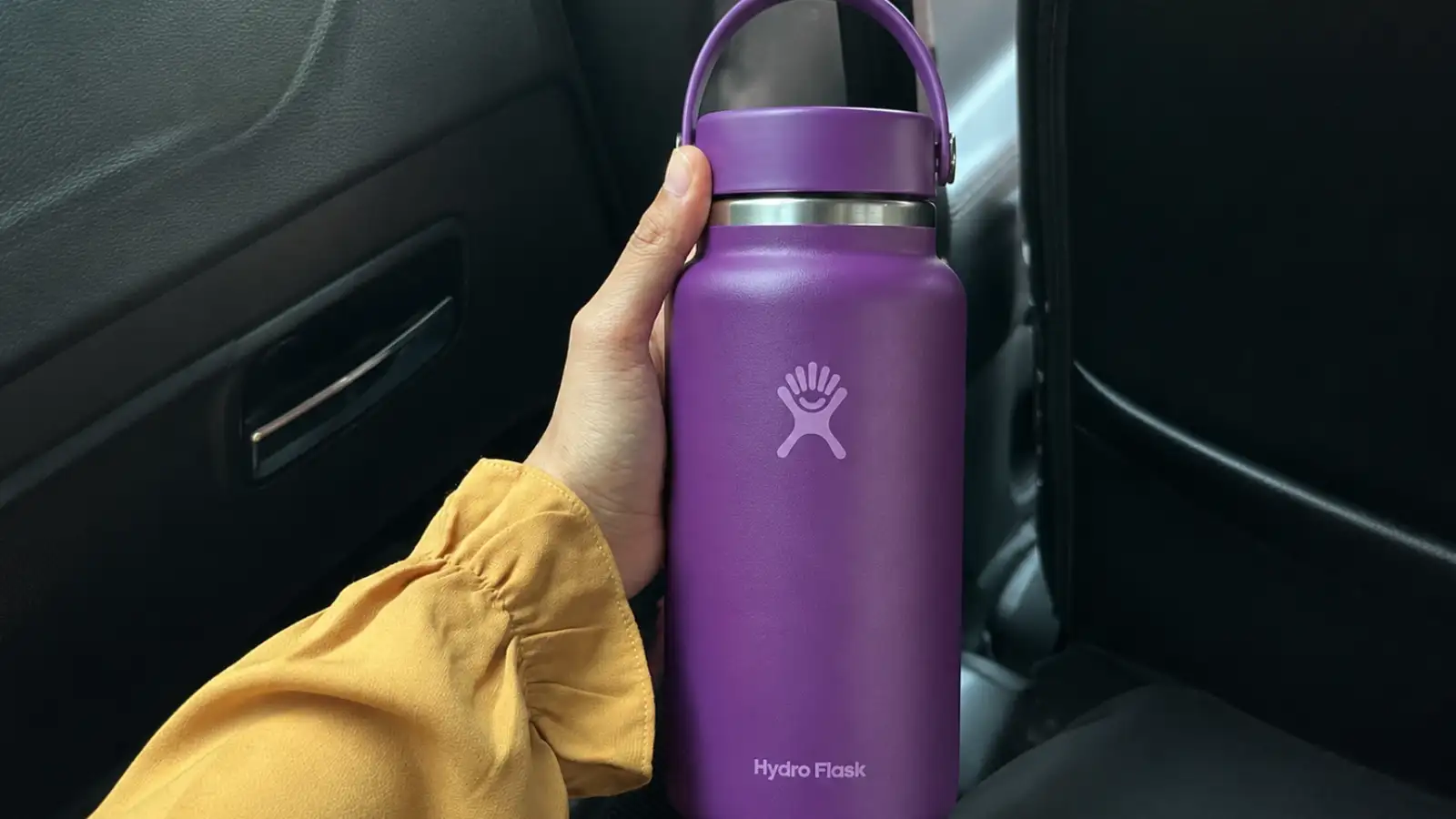
Hydro Flask Wide Mouth is a strong everyday bottle for people who want cold drinks, durable stainless steel, and easy cleaning.
It works well for school, gym, commuting, work, and travel. The wide mouth opening makes it simple to refill, add ice, and clean by hand.
PROS
-
Keeps drinks cold for hours
-
Lightweight and easy to carry
.
-
Wide mouth helps with ice and cleaning
-
Good color and style options
-
Replacement lids and accessories are easy to find
CONS
-
Can dent on hard drops
-
Coating may chip around corners
-
Gasket may need regular care
-
Not the toughest option for rough job site use
Best For: People who want a stylish insulated bottle for daily use, school, gym, commuting, and travel.
Avoid If: You need a bottle that can handle repeated concrete drops without dents.
Why I Picked It
I picked Hydro Flask because it gives a good mix of insulation, easy cleaning, portability, and everyday comfort.
It is not the most abuse proof bottle in this guide, but for regular daily use, it makes a lot of sense.

Durability Notes
Hydro Flask is durable for normal use, but it can dent if it falls on concrete.
Some users also mention coating chips around the corners after hard drops. If you are rough with your bottle, a silicone boot is a smart add on.
What Users Say
Most users like Hydro Flask because it keeps water cold, looks nice, and feels easy to use every day.
The main complaint is denting. Some users say it holds up well, while others say it scuffs or dents after falling on hard surfaces.
Drawbacks
Hydro Flask is a great everyday bottle, but it can dent if you drop it on concrete, and the coating may chip over time. The lid gasket also needs regular cleaning so it does not build up smell. For normal daily use, it works well, but for very rough use, YETI or Stanley may feel stronger.
Verdict
Choose Hydro Flask if you want a good looking insulated bottle for everyday use. Add a protective boot if you want better base protection.
2. YETI Rambler 26 oz With Chug Cap
YETI Rambler 26 oz With Chug Cap
YETI Rambler 26 oz is a good pick if you want a bottle that feels solid in your hand and keeps drinks cold for long hours.
It is heavier than many daily bottles, but that sturdy feel is exactly why many users like it for gym, work, travel, and outdoor use.
PROS
-
Strong, well built feel
-
Keeps water cold for long hours
-
Chug Cap is easy to drink from
-
Removable spout helps with cleaning
-
Good for work, gym, travel, and outdoor use
CONS
-
Heavier than many bottles
-
Some users report leaks
-
Some buyers mention dents on arrival
-
Not ideal if you want an ultra light bottle
Best For: People who want a tough feeling insulated bottle for gym, workdays, road trips, and outdoor use
Avoid If: You want the lightest bottle possible for hiking or long carry.
Why I Picked It
I picked YETI because it has a strong build, good cold retention, and a Chug Cap that makes drinking easier than using a full wide mouth opening.
If you want something that feels more rugged than a standard daily bottle, this one makes sense.

Durability Notes
YETI is one of the stronger insulated options here. It feels more heavy duty than lighter bottles, but the trade off is weight.
Some users still mention dents or leakage issues, so it is not perfect. But if you want a tough feeling bottle for daily use, YETI is a safe choice.
What Users Say
Most users like the YETI because it feels sturdy, premium, and easy to carry with the top handle.
Many also like the 26 oz size because it feels practical for gym, work, and daily use without being too bulky.
Drawbacks
YETI feels strong, but it is not the lightest bottle. If you carry your bottle in a school bag, hiking bag, or handbag all day, the extra weight may feel a little too much.
It is also more expensive than many simple bottles. Some users also mention dents or small leaking issues, so it is strong, but not completely problem-free.
Verdict
Choose YETI if you want a sturdy insulated bottle and do not mind carrying a little extra weight.
3. Klean Kanteen Classic Single Wall
Klean Kanteen Classic Single Wall
Klean Kanteen Classic Single Wall is a simple stainless steel bottle for people who want fewer parts and fewer things to go wrong.
It does not have vacuum insulation, so it will not keep drinks cold all day. But that also means there is no vacuum seal to fail later.
PROS
-
Durable stainless steel body
-
Simple single wall design
-
Easy to clean
-
Cap can be replaced
-
Fewer failure points than insulated bottles
CONS
-
Does not keep drinks cold all day
-
Cold drinks can cause sweating
-
Some users mention dents or paint chipping
-
A few users report cap odor or metallic taste
Best For: People who want a simple stainless steel bottle for water, school, gym, light outdoor use, and daily carry.
Avoid If: You want all day cold retention or a bottle for hot drinks.
Why I Picked It
I picked Klean Kanteen because it is simple, practical, and easy to understand.
There is no complicated lid system or vacuum layer here. If you want a basic stainless steel bottle for daily water, this one makes sense.

Durability Notes
The single wall stainless steel body is durable, but it can still dent like most metal bottles.
The good thing is that small dents usually do not stop it from working. The main things to watch are paint chipping, cap odor, and metallic taste mentioned by some users.
What Users Say
Many users like this bottle because it feels sturdy, cleans easily, and works well for daily water use.
Users also like the metal construction, especially if they prefer stainless steel over plastic.
Drawbacks
Klean Kanteen is simple and strong, but it does not have insulation. That means it will not keep your water cold all day. If you add cold water or ice, the outside of the bottle may also sweat.
It can also dent like most metal bottles. Some users mention paint chipping, cap smell, or a slight metal taste, especially after regular use
Verdict
Choose Klean Kanteen if you want a simple stainless steel bottle and do not need insulation.
4. Nalgene Tritan Wide Mouth
Nalgene Tritan Wide Mouth
Nalgene Tritan Wide Mouth is a great choice if you want something lightweight, simple, and hard to break in normal use.
It is not fancy, and it does not insulate. But for hiking, school, camping, gym, and everyday water, it is one of the easiest bottles to live with.
PROS
-
Strong lightweight Tritan body
-
Secure lid helps prevent leaks
-
Wide mouth is easy to fill and clean
-
32 oz size is useful for daily water intake
-
Good value for money
CONS
-
No insulation
-
Wide mouth may feel too large for some users
-
Can hold odor or taste over time
-
Not ideal for hot drinks
Best For: Hikers, students, campers, gym users, and anyone who wants a durable lightweight bottle without insulation
Avoid If: You want stainless steel, all day cold retention, or hot drink storage.
Why I Picked It
I picked Nalgene because it is durable in a different way. It does not dent like metal, and it has no welds, seams, coating, or vacuum seal to worry about.
That makes it a very low maintenance bottle for hiking, school, gym, travel, and everyday water.
Durability Notes
Nalgene is one of the best options here for simple impact resistance.
Many users say it holds up well for hiking, backpacking, school, and daily carry. The trade off is that it does not insulate, and plastic can sometimes hold odor or taste over time.
What Users Say
Most users like Nalgene because it feels reliable, lightweight, and easy to clean.
Many also mention that the lid stays secure and the 32 oz size is useful for hiking, travel, and everyday water.
Drawbacks
Nalgene is light and durable, but it does not keep drinks cold because it has no insulation. The wide mouth is easy to clean, but some people may find it too wide for drinking. Since it is plastic, it may also hold smell or taste over time
Verdict
Choose Nalgene if you want a lightweight, durable bottle without insulation or complicated parts.
5. Stanley Classic Legendary Bottle
Stanley Classic Legendary Bottle
Stanley Classic Legendary Bottle is made for people who want a rugged thermos style bottle, not a slim everyday bottle.
It is heavier and bulkier, but that is part of the appeal. This bottle makes more sense for job sites, camping, coffee, road trips, and long outdoor days.
PROS
-
Keeps drinks hot or cold for long hours
-
Strong, heavy duty build
-
Leak proof for most users
-
Built in cup lid is useful
-
Good long term value
CONS
-
Tall and bulky
-
Not ideal for casual carry
-
Some buyers report dented delivery
-
Heavier than daily use bottles
Best For: Job sites, camping, road trips, outdoor work, coffee drinkers, and long days away from home.
Avoid If: You want a slim bottle for school bags, gym bags, or regular cup holders.
Why I Picked It
I picked Stanley because it is one of the strongest choices for heat retention, cold retention, and heavy duty use.
It is bulky, but that bulk is part of why people trust it for work, camping, road trips, and outdoor use.

Durability Notes
Stanley is one of the most durable options on this list if you care more about toughness than compact size.
Users often describe it as long lasting and heavy duty. The main thing to watch is size, because it can feel tall and bulky for casual daily carry.
What Users Say
Most users like Stanley because it feels reliable, tough, and old school in a good way.
Many say it keeps coffee hot for hours and works well for camping, work trucks, job sites, and long outdoor days.
Drawbacks
Stanley is strong, but it is not a slim everyday bottle. It is tall, bulky, and heavier than most regular water bottles, so it may not fit well in small bags or cup holders.
It is better for coffee, camping, outdoor work, and long days away from home. If you just want a simple bottle for school or gym, it may feel too big
Verdict
Choose Stanley if you need a rugged bottle for work, camping, coffee, or long days away from home.
6. Takeya Actives Insulated Stainless Steel Bottle
Takeya Actives
Takeya Actives is a strong value pick if you want an insulated stainless steel bottle that is easy to drink from and easy to clean.
It feels practical, not overcomplicated. That is why many users like it for gym, school, commuting, errands, and active daily use.
PROS
-
Keeps drinks cold for long hours
-
Leak proof for most users
-
Wide mouth helps with cleaning
-
Spout lid is easy to drink from
-
Good value compared to pricier brands
CONS
-
Gasket needs regular cleaning
-
Rubber bottom piece may loosen
-
Larger sizes can feel tall
-
Not the most compact option
Best For: Gym, commuting, workdays, school, errands, and anyone who wants a reliable insulated bottle with a spout lid.
Avoid If: You do not want to clean gasket parts regularly or you prefer a very compact bottle.
Why I Picked It
I picked Takeya because it gives you good everyday durability, strong cold retention, and a useful spout lid without the higher price of some premium brands.
It is a good middle ground bottle if you want performance, value, and easy daily use together.

Durability Notes
Takeya holds up well for daily use, especially for gym, work, school, and errands.
Users like that it does not dent easily, but the gasket needs regular cleaning. Some users also mention that the rubber bottom piece can loosen over time.
What Users Say
Most users like Takeya because it keeps water cold, feels sturdy, and is easy to clean.
People also like the spout lid because it is easier to drink from while driving, walking, or working out.
Drawbacks
Takeya is practical, but the lid needs proper cleaning. The gasket can collect smell or buildup if you do not clean it regularly.
Some users also say the rubber bottom piece can loosen over time. Larger sizes may also feel a bit tall, especially if you want a compact bottle for small bags.
Verdict
Choose Takeya if you want a practical insulated bottle with strong everyday durability and good value.
7. SIGG Original Aluminum Bottle
SIGG Original Aluminum Bottle
SIGG Original Aluminum Bottle is mainly about low weight. It is easy to carry and has a clean classic design.
It is not built for rough abuse like thicker stainless steel bottles, but it can be useful for travel, walking, biking, and fastpacking.
PROS
-
Very lightweight
-
Easy to carry while travelling
-
Clean classic design
-
Simple to clean
-
Good for walking, biking, and light outdoor use
CONS
-
Dents more easily than steel
-
Not insulated
-
Some users report leakage
-
Not ideal for heavy job site use
Best For: Lightweight travel, biking, walking, fastpacking, and simple everyday carry.
Avoid If: You need rough drop protection, all day cold retention, or a bottle for job site abuse.
Why I Picked It
I picked SIGG because it is one of the lightest bottles here.
If your main priority is portability, and you do not need insulation, it can still be a useful choice.

Durability Notes
SIGG is durable for light carry, but not for rough drops. Aluminum keeps it lightweight, but it can dent more easily than steel.
Some users also mention leakage, so the cap needs to be tightened properly.
What Users Say
Many users like SIGG because it feels light, looks good, and works well for travel or long walks.
Durability feedback is mixed. Some buyers find it reliable, while others say it dents easily if dropped on hard surfaces.
Drawbacks
SIGG is very light, but it is not as tough as stainless steel bottles. Since it is made from aluminum, it can dent more easily if you drop it on a hard surface.
It also does not have insulation, so it will not keep water cold for long hours. Some users also mention leakage, so you need to make sure the cap is closed properly.
Verdict
Choose SIGG if weight matters most. Skip it if you need a bottle for rough drops, job sites, or all-day temperature retention.
Head to Head: Specifications & Durability at a Glance
To make the comparison easier, here is a quick breakdown of the best durable water bottles by material, wall type, size, weight, warranty, price tier, and ideal use case.
This helps you quickly see which bottle fits daily commuting, hiking, gym use, job sites, camping, or lightweight travel.
| Bottle | Material | Wall Type | Size | Weight | Warranty | Price | Best For |
|---|---|---|---|---|---|---|---|
| Hydro Flask Wide Mouth | 18/8 Stainless Steel | Double-Wall Vacuum | 32 oz | 15.2 oz | Lifetime | Premium | Daily commute, outdoor use |
| YETI Rambler 26 oz | 18/8 Stainless Steel | Double-Wall Vacuum | 26 oz | 20.8 oz | 5 Years | Premium | Job sites, rough use |
| Klean Kanteen Classic | 18/8 Stainless Steel | Single-Wall | 27 oz | 7.5 oz | Lifetime | Mid-Range | Hiking, everyday carry |
| Nalgene Tritan Wide Mouth | Tritan Copolyester | Single-Wall | 32 oz | 6.25 oz | Lifetime | Budget | School, gym, backpacking |
| Stanley Classic Legendary | 18/8 Stainless Steel | Double-Wall Vacuum | 35 oz | 24 oz | Lifetime | Mid-Premium | Job sites, camping |
| Takeya Actives | 18/8 Stainless Steel | Double-Wall Vacuum | 32 oz | 14.6 oz | Limited Lifetime | Mid-Range | Gym, office commute |
| SIGG Original Aluminum | Aluminum Alloy | Single-Wall | 33.8 oz | 4.9 oz | 2 Years | Mid-Range | Cycling, ultralight carry |
Real World Recommendations: Match Your Bottle to Your Environment
The best durable water bottle depends on where you use it. A bottle for office life does not need the same strength as one for a job site, hiking trail, or toddler filled house.
These picks are based on product details, common customer review patterns, durability complaints, and how each bottle fits real life use.
And honestly, I care about this because I am a little chaotic with my things. I also have cats at home, and they love dropping bottles, cups, and anything important from tables.
So yes, a durable bottle is not just a nice extra. For some of us, it is survival.
Construction Sites, Firefighting, and Trade Work
For job sites, do not focus too much on weight. You need a bottle that can handle dents, rough handling, heat, cold, and being tossed into a truck.
The best picks here are:
- YETI Rambler 26 oz
- Stanley Classic Legendary Bottle
YETI is better if you want a tough insulated bottle that is still easy enough to carry. Stanley is better if you want a rugged thermos for coffee, long shifts, and outdoor work.
Cup holder fit also matters in work trucks. YETI is usually easier for daily driving, while Stanley makes more sense when temperature retention matters more than compact size.
Best choice: YETI for daily work use. Stanley for long shifts and heavy duty outdoor days.
Parenting and Rough Kid Use
If a bottle will be dropped, thrown, dragged, or treated like a toy, keep it simple.
The best picks here are:
- Nalgene Tritan Wide Mouth
- Klean Kanteen Classic Single Wall
Nalgene is lightweight, easy to clean, and does not dent like metal. Klean Kanteen is better if you prefer stainless steel and want fewer parts to worry about.
Cost also matters here. If a bottle is going to hit the floor often, it makes sense to choose something durable but not painful to replace.
Best choice: Nalgene for rough kid use. Klean Kanteen if you want simple stainless steel.
Ultralight Hiking, Trail Running, and Bikepacking
On the trail, weight matters. A heavy insulated bottle may sound nice, but after a few miles, it can feel like extra weight you did not need.
The best picks here are:
- SIGG Original Aluminum Bottle
- Klean Kanteen Classic Single Wall
SIGG is best if you want the lightest carry. Klean Kanteen is better if you want a stronger single wall bottle and do not mind a little extra weight.
For hiking and bikepacking, insulation is not always necessary. If you refill often, single wall bottles can make more sense.
Best choice: SIGG for lowest weight. Klean Kanteen for stronger single wall durability.
Daily Commuting and Office Life
For commuting, the main things are leaks, easy cleaning, cup holder wear, and all day drink temperature.
The best picks here are:
- Hydro Flask Wide Mouth
- Takeya Actives Insulated Bottle
Hydro Flask is a good choice if you want a stylish insulated bottle with easy replacement lids and accessories. Takeya is better if you want strong daily performance at a better price.
Both work well for office, gym, school, and travel. Hydro Flask feels more premium. Takeya feels more practical.
Best choice: Hydro Flask for style and accessories. Takeya for value and everyday use.
Think About Cost Per Year
A cheap bottle is not always cheaper if you replace it every few months.
A durable bottle can make more sense when it lasts for years and has replacement lids, gaskets, or boots available.
- Cheap bottle: lower price, may need replacing sooner
- Premium bottle: higher price, better long-term value if it lasts
- Repairable bottle: easier to keep using for years
That is why durability is not just about strength. It is also about how long the bottle stays useful.
Quick Environment Match
- Best for job sites: YETI Rambler or Stanley Classic
- Best for toddlers and rough kid use: Nalgene Tritan or Klean Kanteen
- Best for hiking and bikepacking: SIGG Original or Klean Kanteen
- Best for commuting and office life: Hydro Flask or Takeya Actives
The right bottle is not always the most expensive one. It is the one that fits your routine, your environment, and how rough your daily use really is.
Why Tough Bottles Still Die: Failure Points & Prevention

Even a strong water bottle can fail if one small part wears out. Most of the time, the whole bottle is not the issue.
It is usually the lid, gasket, threads, coating, vacuum seal, or base corner that starts causing problems first.
These tips are based on product details, common customer review patterns, and the most common failure points people report after regular use.
So when you choose a durable water bottle, do not only look at the body. Also check the small parts, because those are usually where leaks, dents, rust, and temperature loss begin.
Vacuum Seal Rupture: The Hidden Engineering Flaw
Double wall insulated bottles keep drinks hot or cold because they have a vacuum layer inside.
But one hard drop can damage that hidden layer. The bottle may still look fine from the outside, but it may stop keeping drinks cold or hot like before.
What to Watch For
If your bottle used to keep water cold all day but now warms up quickly, the vacuum seal may be damaged.
Freezing a double wall bottle is also risky. Water expands when it freezes, and that pressure can damage the inner wall or break the vacuum seal.
How to Prevent It
Do not freeze insulated bottles. Also try to avoid hard drops, especially on concrete or tile.
If your bottle falls often, a silicone boot can help protect the base and reduce impact.
Thread Stripping and Overtightening
Sometimes a bottle leaks because the lid threads are worn out or damaged.
Plastic threads can bend if you tighten the cap too hard every time. Metal threads can also feel rough, sticky, or uneven if the finish is poor.
What to Watch For
If the lid feels harder to close, sits unevenly, or needs extra force, the threads may be wearing down.
Do not ignore that feeling. Thread damage can slowly turn into leaks.
How to Prevent It
Tighten the lid until it feels snug, then stop.
You want the cap secure, not forced. A good lid should close smoothly without needing a hard twist.
Gasket Compression Set: The Silent Leak
The gasket is the small silicone ring inside the lid. It may look simple, but it does most of the leak stopping work.
With daily use, the gasket can flatten, harden, or lose its shape. This often happens after 12 to 18 months of regular use.
What to Watch For
If your bottle starts leaking but the body looks fine, check the gasket first.
Look for cracks, mold, flattening, looseness, or a gasket that does not sit properly in the lid.
How to Prevent It
Remove the gasket if the lid allows it. Wash it, dry it, and place it back properly. For a deeper cleaning routine, you can follow this guide on how to clean stainless steel water bottle without damaging the finish.
If the brand sells replacement gaskets or lids, that is a big plus. You may be able to fix the leak without buying a new bottle.
Galvanic Corrosion and Internal Rust: Why Stainless Steel Still Needs Care
Stainless steel is rust resistant, but it still needs care.
Moisture can hide in threads, seams, lid grooves, and under silicone boots. If that dampness stays there too long, rust, smell, or grime can start.
What to Watch For
Check hidden areas after washing, especially around the mouth, lid grooves, bottom seam, and under the boot.
Small rust spots often start in places that stay wet.
How to Prevent It
Wash the bottle, dry it properly, and store it with the cap off.
Never close a damp bottle and leave it sitting in a cabinet. That is how bad smells and hidden rust usually begin
Coating Delamination and Cosmetic Degradation
The outside coating gets more abuse than we notice.
Cup holders, backpacks, gym bags, and car door pockets all rub against the bottle every day. Over time, that can wear down the finish.
What to Watch For
Powder coating usually handles daily wear better than basic paint.
Small scratches are usually not a big deal. They do not mean the bottle is ruined.
But deep chips near seams, peeling near the mouth, or cracks around the base need more attention. Those can point to bigger durability problems.
How to Prevent It
Try not to drag the bottle across rough surfaces.
If you care about keeping the finish clean, use a silicone boot and avoid tossing the bottle into bags with keys, tools, or sharp items.
Impact Concentration at the Base Corner
The base corner takes the hardest hit when a bottle drops straight down.
That is why many bottles dent near the bottom first. A bad dent can make the bottle wobble, sit unevenly, or feel less stable.
What to Watch For
Check the bottom edge if your bottle falls often.
Small dents are usually fine, but deep dents near the base can affect balance and sometimes damage insulation in double wall bottles.
How to Prevent It
A silicone boot can help a lot. It spreads the impact and protects the coating from rough surfaces.
Boots are especially useful for insulated stainless steel bottles like Hydro Flask, Takeya, and YETI.
Just make sure the boot fits properly. It should stay in place, but still come off easily for cleaning and drying.
Quick Prevention Checklist
- Do not freeze double wall insulated bottles
- Tighten lids until snug, not forced
- Clean and dry gaskets regularly
- Replace worn gaskets when needed
- Store bottles dry and uncapped
- Check threads, seams, and lid grooves for moisture
- Use a silicone boot if your bottle gets dropped often
- Follow the brand’s washing instructions
A durable bottle can last for years, but only if the small parts are cared for too.
The body may feel strong, but the lid, gasket, threads, coating, and base usually decide how long the bottle really lasts.
The Repairability Revolution: Fix It, Don’t Ditch It

A durable water bottle should not become useless just because one small part wears out.
A new gasket, lid, straw, or boot can often save the whole bottle. That is why repairability matters.
In this section, we look at replacement parts, lid compatibility, warranty details, and common issues like leaks, broken caps, and worn gaskets.
The $5 Gasket and the Proprietary Lid Problem
The lid is one of the first parts to fail on many bottles.
If it leaks, cracks, smells, or loses its seal, the bottle body may still be fine. The real problem starts when you cannot find the right replacement part.
Why Standard Bottle Threads Matter
Standard threading helps a bottle last longer. If it works with common lids or third party caps, you have more repair options.
Some brands sell replacement lids, gaskets, caps, straws, and boots. That is a good sign.
Closed designs are riskier. If the exact lid is discontinued, the bottle may still be strong, but harder to use.
Product Recommendation
Choose bottles with easy to find replacement lids, gaskets, caps, and boots.
A bottle with standard or third party compatible parts is usually a safer long term choice than one with a fully proprietary lid.
The bottle may not break, but if the lid becomes impossible to replace, it can still end up sitting unused.
Field Repairs and Component Swaps
Small repairs can save you money. You do not always need a new bottle when one part starts acting up.
Replaceable Water Bottle Parts
Common replaceable parts include:
- silicone gaskets
- straw pieces
- spout caps
- screw lids
- silicone boots
- carry handles
If your bottle starts leaking, check the gasket first. That small silicone ring is often the real problem.
Simple Cleaning Fixes
For dirty threads, use warm water, mild soap, and a small brush.
Clean around the bottle mouth, lid grooves, and hidden corners where grime builds up.
For small rust spots, clean gently and dry the bottle fully. If rust keeps coming back near seams or inside the bottle, take it seriously.
When a Dent Matters
Small outside dents are usually cosmetic. They may look annoying, but the bottle can still work fine.
A dent matters more if the bottle wobbles, sits unevenly, or suddenly stops keeping drinks hot or cold.
For double wall bottles, fast temperature loss after a hard drop can mean the inner chamber is damaged.
Warranty Reality: What Brands Actually Cover
Warranty wording can be confusing, so read the details before you depend on it.
A lifetime warranty does not cover everything forever. Many brands cover manufacturing defects, not dents, scratches, normal wear, lost lids, or misuse.
Lifetime vs Limited Lifetime Warranty
A limited lifetime warranty usually has more conditions. A 2-year or 5-year warranty only works within that time period.
Before making a claim, brands may ask for:
- proof of purchase
- photos of the issue
- model or batch details
- order number
- a short explanation
Most warranty denials happen because of normal wear, accidental damage, missing proof of purchase, or improper use.
What to Check Before Buying
Before buying a durable water bottle, check the warranty page and replacement parts section.
Look for lids, gaskets, boots, straws, and caps. If these parts are easy to find, the bottle has a better chance of lasting for years.
Also check if parts are still available for older models.
A strong bottle is good. A strong bottle you can repair is even better.
Quick Repairability Checklist
- Can you buy replacement lids?
- Are gaskets sold separately?
- Does the brand sell caps, straws, or boots?
- Are third-party lids compatible?
- Is the warranty clear?
- Does the brand require proof of purchase?
- Are parts available for older models?
Repairability is one of the easiest ways to spot real long term value.
If a bottle can be fixed instead of thrown away, it is usually a smarter choice for your budget and daily routine.
The 5 Year Math: Total Cost of Ownership
A durable water bottle can feel expensive at first. But the real question is not only, “What is the price today?”
The better question is, “How much will this bottle cost me over the next five years?”
Sometimes a better bottle costs more upfront, but saves money because you are not replacing it again and again.
The Premium Bottle Amortization Curve
A premium bottle makes more sense when you think long term.
If a $40 or $50 bottle lasts five years, the cost spreads across 60 months. Suddenly, the monthly cost does not feel that high.
Repairability also matters. If you can replace a gasket, lid, straw, or boot, you may not need to buy a full new bottle.
That is where premium or repairable bottles can give better long term value.
The Cheap Bottle Treadmill
A cheap bottle is not always a bad choice. But it can become expensive if it keeps failing.
Why Cheap Bottles Add Up
If the lid leaks, the gasket wears out, or the threads stop closing properly, you may end up buying another bottle sooner than expected.
One budget bottle every year may not feel like much. But after five years, the total can get close to one better bottle that lasted longer.
The Hidden Costs
There are also hidden costs: shopping again, reading reviews, waiting for shipping, and dealing with more packaging waste.
So the cheapest bottle today is not always the cheapest bottle over time.
Building the Ownership Calculator
A simple ownership calculator helps you compare a cheap bottle with a durable bottle over five years.
Useful inputs can include:
- durable bottle price
- replacement parts cost
- cheap bottle price
- how often the cheap bottle needs replacing
You do not need a perfect formula. Even a rough estimate can show whether the cheaper bottle is really saving money.
For example, a durable bottle may cost more today. But if it lasts for years with only one small replacement part, it may still cost less than buying a new cheap bottle again and again.
The goal is simple. It helps you see which option gives better value over time: the cheap bottle or the durable one.
Quick Takeaway
If you need a bottle for short term use, a budget option can be fine.
But for daily use, work, school, gym, hiking, or commuting, long term cost matters more.
A durable bottle with replaceable parts can often be the smarter buy, even if it costs more on day one.
The best value is not always the lowest price. It is the bottle that keeps working without making you buy the same thing again.
5-Year Bottle Value Tool
Add your prices and see which bottle costs less over time.
Durable Bottle
Cheap Bottle
Your 5-Year Result
Durable bottle wins here because you replace fewer bottles.
Diagnose Your Last Bottle’s Death
Before buying another bottle, ask one simple thing: what actually went wrong with the last one?
Most bottles fail because of one weak point. It could be the lid, gasket, threads, body, coating, rust, or insulation.
Once you know the reason, it becomes much easier to choose a better bottle next time.
A Visual Decision Tree for Failed Bottles
Use this as a quick failure check. Find the problem, then choose your next bottle based on that weak point.
This is based on common bottle issues, product details, and customer review patterns
Branch One: Leak Type Identification
If your bottle leaked from the lid, the gasket or seal was likely the problem.
For your next bottle, look for replaceable gaskets and an easy-clean lid.
If the leak came from the threads, choose stronger threads and a lid that closes smoothly.
If water came through the bottle body, look for tougher plastic, thicker stainless steel, or better impact resistance.
Branch Two: Dent Location and Depth
If the dent is near the base, the bottle likely hit the bottom edge hard.
For your next bottle, choose a stronger base or use a silicone boot.
If the dent is on the side, it may only be cosmetic. But if insulation changed too, the inner chamber may be damaged.
If the lid or cap broke, choose a brand with easy replacement lids.
Branch Three: Rust Location
If rust starts near an internal seam, choose 18/8 stainless steel and a design that dries easily.
If rust appears around the threads, trapped water may be the issue.
For your next bottle, look for easy clean threads and fewer hidden corners.
If rust is only outside, a tougher coating or bare stainless steel finish may be better.
Root Cause and What to Prioritize Next
Once you know the failure point, you know what to avoid next time.
- Seal failure: replaceable gaskets
- Thread failure: stronger, smoother threads
- Body crack: tougher material
- Base dent: silicone boot or stronger base
- Lid strike: replacement lids
- Internal rust: 18/8 stainless steel
- Temperature loss: better vacuum insulation
From Diagnosis to Purchase Criteria
Now turn the problem into a buying checklist.
- If it leaked: check gasket quality, lid design, and replacement parts
- If it dented: check stainless steel thickness, base protection, and boot compatibility
- If it rusted: check 18/8 stainless steel, drying ease, and hidden crevices
- If it lost temperature: check double-wall insulation and customer complaints
Avoiding the Same Failure Twice
Your next bottle should fix the exact problem your last bottle had.
If the old one leaked, check the lid first. If it dented, do not choose the lightest metal bottle for rough use.
If it rusted, look at steel quality and drying design.
The goal is simple: do not just replace the bottle. Replace the weak point that failed.
Why Did Your Bottle Fail?
Choose the problem and see what to look for in your next bottle.
Main Problem
Where?
Your Result
Tip: Match your next bottle to the problem your last one had.
FAQs About Durable Water Bottles
What is the most durable water bottle material?
Stainless steel is usually the best choice for durability. It handles daily use, drops, washing, and temperature changes better than many plastic or aluminum bottles
Do insulated water bottles lose performance after drops?
Yes, they can. A hard drop can damage the vacuum seal inside, even if the outside looks fine. If your bottle stops keeping drinks cold or hot, the insulation may be damaged.
Why does my water bottle keep leaking?
Most leaks come from the lid, gasket, or threads. Check the silicone gasket first, because a dirty, loose, or flattened gasket is often the real problem.
Is a silicone boot worth it?
Yes, especially if you drop your bottle often. A silicone boot helps protect the base, reduces dents, and keeps the bottle more stable on hard surfaces.
Are expensive water bottles worth it?
They can be worth it if they last longer and have replacement parts like lids, gaskets, straws, or boots. For daily use, repairability often matters as much as price.
How can I make my water bottle last longer?
Clean it regularly, dry it fully, store it with the cap off, avoid freezing insulated bottles, and replace worn gaskets when needed
Final Verdict:
The best durable water bottle is the one that fits your daily routine.
For everyday use, Hydro Flask or Takeya are easy choices. For rough work, camping, or long outdoor days, YETI or Stanley will make more sense.
If you want something simple, lightweight, and easy to carry, Nalgene, Klean Kanteen, or SIGG can be better.
Just don’t forget the small stuff. Clean the lid, dry the bottle properly, and replace worn gaskets or lids when needed.
Choose the bottle that matches how you actually use it, and it can stay with you for years.
Zainab Khursheed!
Zainab Khursheed!
Hey there, I’m Zainab. I created Water Bottle Experts to help you find water bottles that actually match your daily lifestyle.
I focus on practical bottle research, comparing materials, insulation, durability, lid designs, and real user feedback to make choosing the right bottle easier.
For this guide, I researched durable water bottles based on product specifications, customer experiences, warranty details, and common issues users face in everyday life.
My goal is to share clear comparisons and honest recommendations so you can choose a bottle that fits your routine, whether it’s for commuting, gym, hiking, work, or outdoor use.
How I Chose These Durable Bottles
This guide is based on a detailed comparison of bottle materials, lid design, leak resistance, insulation, durability, cleaning ease, and long-term value.
I compared manufacturer information with verified customer reviews, warranty details, and common user experiences to understand how these bottles perform in real daily situations.
For this guide, I focused on the areas that usually decide bottle lifespan, including drop resistance, dent protection, gasket quality, coating durability, replacement parts, and insulation performance.
I also looked at common problems reported by users, such as leaking lids, damaged coatings, rust concerns, broken seals, and loss of temperature retention.
The goal is simple: to recommend durable water bottles that are not only strong, but also practical, repairable, and suitable for everyday use.