Clean the straw and lid regularly using a straw brush, especially around hidden grooves. Always dry all parts completely before reassembling to prevent moisture buildup.

- Home
- Buying Guides
HYDROGEN WATER DRINKWARES
- Size Comparisons
WATER BOTTLE SIZE GUIDES
- Education
How to Clean Your Owala Bottle: The Ultimate Guide to Sparkling Hygiene & Longevity
Leave a comment / Blog / By Zainab.K / 14 March 2026
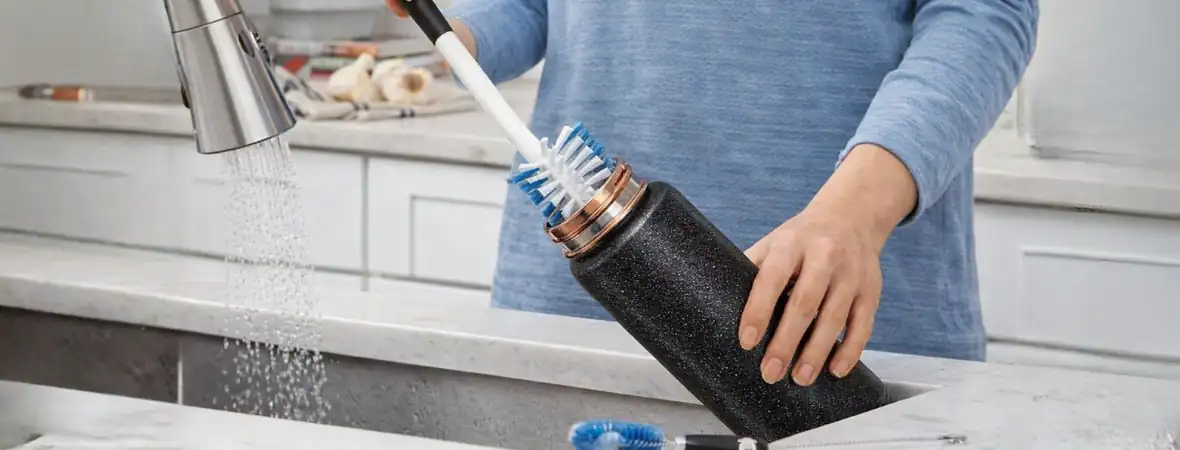
Table of Contents
Quick Answer
Clean your Owala bottle daily with warm water, mild dish soap, and a bottle brush. Remove the straw and gasket, then clean the FreeSip lid separately to prevent odor and buildup.
For deeper cleaning, use white vinegar or baking soda, then rinse well and let every part air dry completely before reassembling.
Many people choose Owala bottles because they’re practical, durable, and designed for everyday use. The FreeSip lid is especially popular since it allows you to sip through a straw or drink directly from the spout. But that same design also means the bottle has a few extra parts that need proper cleaning.
A quick rinse might seem enough, but over time moisture can stay trapped inside the lid, straw, or gasket areas. When those spots are not cleaned well, they can develop odors or even mold.
In this guide, I’ll explain the simple cleaning habits that help keep an Owala bottle fresh and hygienic. Once you understand how the bottle’s parts work and how to clean them properly, maintaining it becomes much easier.
Why Cleaning Your Owala Bottle Regularly Matters

Owala bottles are designed for everyday convenience, but the FreeSip lid includes several small parts like the straw and gasket. These areas can easily trap moisture or drink residue if the bottle isn’t cleaned properly.
Over time, that buildup can lead to odors, bacteria, or changes in taste. Keeping a simple cleaning routine helps maintain both hygiene and bottle performance.
Bacteria and Mold Can Grow in the FreeSip Lid
The FreeSip lid has small crevices where moisture can stay trapped after drinking.
The straw interior is narrow, so residue can collect inside if it isn’t cleaned regularly with a straw brush.
The silicone gasket around the lid can also hold small amounts of liquid or residue.
I personally don’t like straws, especially when they’re made of plastic, because they tend to trap moisture and require more careful cleaning.
When these areas stay damp, they can become a place where bacteria or mold may develop over time.
Unclean Owala Bottles Cause Odors and Bad Taste
Drinks like smoothies, juice, or flavored water often leave behind sugars and residue.
If the bottle isn’t cleaned well, this buildup can cause lingering smells inside the bottle or lid.
Over time, water may start to taste stale or slightly off, even if the bottle looks clean.
A proper cleaning routine usually restores the fresh, neutral taste of the bottle.
Regular Cleaning Extends the Life of Your Owala Bottle
Cleaning prevents residue buildup that can affect the stainless steel interior.
It helps the FreeSip lid mechanism open and close smoothly.
Keeping the gasket clean maintains a tight, leak-proof seal.
Simple daily cleaning helps keep the bottle hygienic, odor-free, and working properly for longer.
Understanding the Parts of an Owala Bottle Before Cleaning

Before cleaning an Owala bottle, it helps to understand how the bottle is designed and which parts need attention. Because of the FreeSip lid system, the bottle has several small components that can hold moisture or drink residue if they aren’t cleaned properly.
I’ve noticed that many users simply rinse the bottle body and assume everything else is clean. But from what I’ve seen while researching bottle maintenance, areas like the lid, straw, and gasket are usually where buildup starts.
Once you understand how these parts work, cleaning the bottle properly becomes much easier.
Owala Bottle Body
The main bottle body is made from stainless steel with double-wall insulation, which helps keep drinks cold for long periods.
Many users choose insulated bottles like Owala because they maintain temperature better than plastic bottles.
Drinks like coffee, tea, flavored water, or smoothies can leave light stains or residue inside the bottle over time.
Using a long bottle brush helps reach the bottom and clean the inside properly, especially around the bottle neck.
If you want to understand how insulated bottles compare, you can also read my guide to the best stainless steel water bottles.
FreeSip Lid
The FreeSip lid is one of Owala’s most recognizable features, allowing you to drink either through a straw or directly from the spout.
This dual-drinking design makes the bottle convenient for daily use.
However, the lid contains small internal channels and moving parts, where residue can collect if the lid isn’t cleaned carefully.
Based on common user feedback, the lid usually needs more attention than the bottle body.
Straw Tube
The straw tube connects the lid to the bottom of the bottle, allowing you to drink without tilting it.
Because the tube is narrow and enclosed, small amounts of liquid can remain inside after drinking.
I don’t like plastic straws, because moisture can easily stay trapped inside if they aren’t cleaned properly.
Many bottle care guides also mention that straws are one of the most common spots where mold can develop, which is why cleaning them with a thin straw brush is recommended.
Silicone Gasket / Seal
Inside the lid there is a small silicone gasket that creates the leak-proof seal for the bottle.
This seal is important because it prevents spills when the bottle is inside bags or backpacks.
At the same time, the gasket can sometimes trap small amounts of moisture or drink residue around its edges.
From what I’ve seen in manufacturer cleaning instructions, removing the gasket occasionally and rinsing it properly helps prevent bacteria buildup and keeps the seal working correctly.
Owala vs Regular Water Bottles: Cleaning Differences
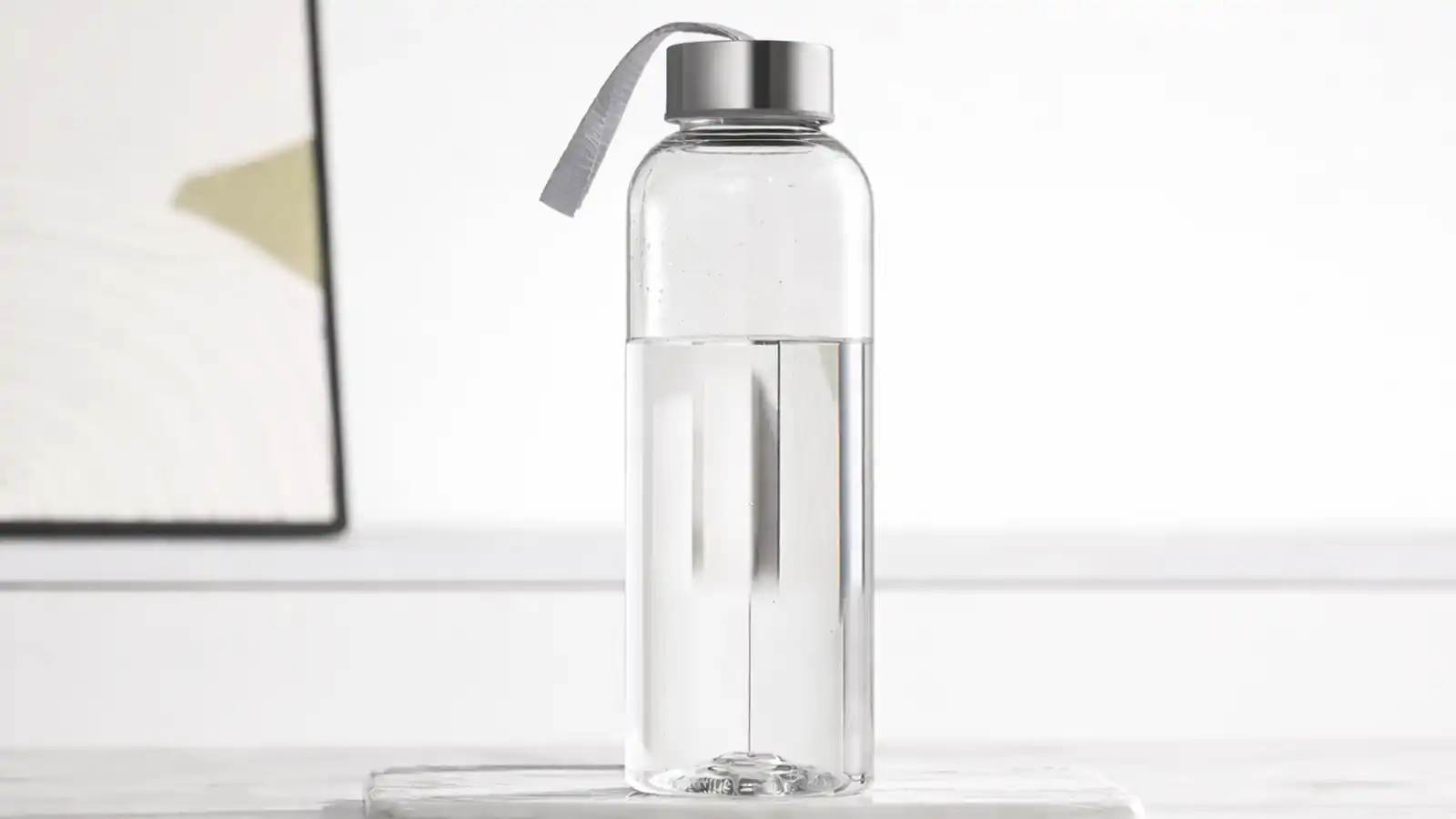

Not all water bottles require the same cleaning routine. Owala bottles include a FreeSip lid system with extra parts like a straw and gasket, which means a few additional areas need attention during cleaning.
| Feature | Owala Bottle | Regular Water Bottle | Cleaning Impact |
|---|---|---|---|
| Bottle Design | Insulated stainless steel body | Usually plastic or simple steel bottle | Insulated bottles require gentle cleaning to protect the interior |
| Lid System | FreeSip lid with straw + spout | Simple screw lid or flip cap | More lid parts mean more areas to clean |
| Internal Components | Straw tube and silicone gasket | Usually no internal parts | Hidden parts can trap moisture if not cleaned properly |
| Cleaning Areas | Bottle body, lid channels, straw, gasket | Bottle body and lid only | Owala requires slightly more detailed cleaning |
| Maintenance Effort | Occasional lid disassembly recommended | Simple rinse and brush cleaning | Regular lid cleaning helps prevent odor and mold |
Because of these extra components, Owala bottles benefit from regular lid, straw, and gasket cleaning to prevent residue buildup.
Tools You Need to Clean an Owala Bottle Properly
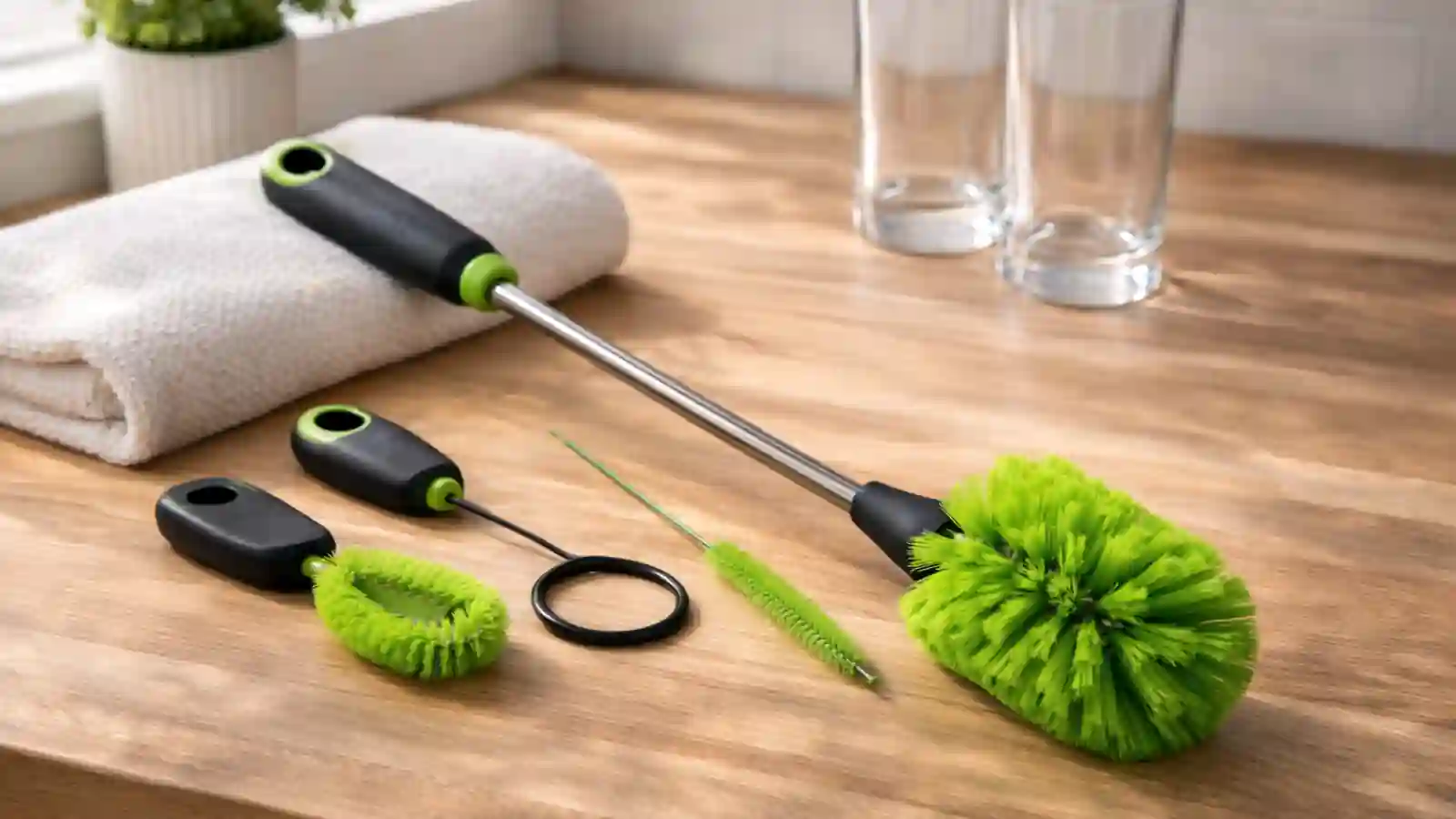
From what I’ve seen while looking at bottle maintenance guides and user feedback, most cleaning issues happen simply because people don’t use the right tools.
With a few basic items, it becomes much easier to clean the Owala bottle thoroughly and prevent odors or residue buildup.
Essential Cleaning Tools
These are the basic tools that make everyday cleaning much easier.
Bottle brush
A long bottle brush helps reach the bottom and sides of the bottle body. Since Owala bottles are insulated and narrow, a brush works much better than trying to clean them with a sponge.Straw brush
The straw tube is narrow and enclosed, which means residue can stay inside after drinking. A thin straw brush allows you to clean the inside of the tube properly and prevent buildup.Small detail brush
A small brush helps clean the tight spaces inside the FreeSip lid, especially around the spout and gasket areas where residue can collect.Mild dish soap
A simple dish soap is usually enough for daily cleaning. Most bottle care guides recommend using a gentle soap without strong fragrances, since it cleans well without leaving behind unwanted taste.
Natural Deep Cleaning Agents
Sometimes a deeper clean is needed, especially if the bottle starts developing odors or stains.
White vinegar
Vinegar is commonly used as a natural deodorizer. A short vinegar soak can help remove lingering smells from the bottle or lid.Baking soda
Baking soda works well for light stains and residue inside the bottle. It’s often used as a gentle scrubbing solution for stainless steel bottles.
Optional Tools for Easier Cleaning
These tools aren’t always necessary, but they can make bottle care more convenient.
Bottle drying rack
A bottle drying rack helps the bottle and lid air dry properly, which reduces the chance of moisture staying trapped inside.Travel cleaning kit
Some people carry a small straw brush and a tiny bottle of soap while traveling. This can be helpful if you use the bottle frequently during the day and want to clean it quickly on the go.
Daily Owala Bottle Cleaning Routine (Handwashing Method)

Cleaning your Owala bottle daily is one of the easiest ways to prevent bacteria buildup, odors, and residue. A quick rinse after drinking is helpful, but a proper wash keeps the bottle hygienic and ready for everyday use.
Step 1: Disassemble the Bottle
Remove the FreeSip lid from the bottle body.
Take out the straw tube connected to the lid.
If possible, gently remove the silicone gasket inside the lid.
Step 2: Wash the Bottle Body
Fill the bottle with warm water and mild dish soap.
Use a long bottle brush to scrub the inside.
Pay extra attention to the bottom and the neck threads, where buildup can sometimes occur.
Step 3: Clean the FreeSip Lid
Use a small brush or sponge to scrub the drinking spout.
Clean around the lid crevices and edges where liquid may collect.
Make sure the areas around the gasket groove are rinsed properly.
Step 4: Clean the Straw
Insert a straw brush through the tube.
Run the brush back and forth a few times to remove residue.
Rinse the straw thoroughly with clean water.
Step 5: Rinse All Parts Thoroughly
Use clean running water to remove soap from the bottle body, lid, straw, and gasket.
Make sure no soap residue remains, as leftover soap can affect the taste of your water.
Step 6: Air Dry All Components
Keep the bottle open while drying.
Place the lid, straw, and gasket separately so air can circulate.
Let everything air dry completely before reassembling.
If you’re new to bottle care, it may also help to read my complete guide on how to clean a water bottle properly where we explain general cleaning methods for different bottle types.
How to Deep Clean an Owala Bottle

Daily washing usually keeps an Owala bottle clean, but sometimes a deeper clean becomes necessary. This usually happens when the bottle develops lingering odors, visible stains, or residue from drinks like coffee, tea, smoothies, or flavored water.
I also have a pretty busy routine most days, so I usually stick to simple cleaning habits and do a deeper clean once in a while when the bottle starts developing a smell or light stains.
For many people, doing this once a week or once a month works well depending on how often the bottle is used.
Deep Cleaning with White Vinegar
White vinegar works well for removing odors because it helps break down bacteria and residue that can cause smells.
Steps
Fill the bottle halfway with white vinegar
Add warm water
Let it soak for 20–30 minutes
Scrub lightly and rinse thoroughly
After rinsing, leave the bottle open to air dry. In most cases, this removes lingering smells.
Deep Cleaning with Baking Soda
Baking soda is better for removing stains and residue inside the bottle.
Steps
Add a spoon of baking soda inside the bottle
Mix with a little water to form a paste
Scrub the inside, focusing on stains
Rinse thoroughly
If stains are stronger, letting the paste sit for 5–10 minutes before scrubbing can help.
Lemon Cleaning Method (Optional Natural Hack)
Lemon works as a natural deodorizer and can refresh bottles that develop light odors.
The citric acid and citrus oils help neutralize smells while leaving a fresh scent.
Steps
Add a few lemon slices into the bottle
Fill with warm water
Let it sit for 20–30 minutes
Rinse well
This method works best for light odor removal and regular refresh cleaning.
With occasional deep cleaning like this, your Owala bottle stays clean, fresh, and ready for everyday us
How to Clean the Owala FreeSip Lid and Straw Properly

When people clean their Owala bottle, they often wash only the bottle itself. But the FreeSip lid and straw also need regular cleaning.
If they are not cleaned properly, they can start to develop odor or buildup over time. The good news is that cleaning them only takes a few minutes once you know how the lid comes apart.
Step-by-Step FreeSip Lid Disassembly
To clean the lid properly, you first need to remove the small parts.
Pull out the straw from the bottom of the lid.
Open the lid fully to access the inside area.
Carefully remove the silicone gasket (the small rubber seal inside the lid).
Tip: Remove the gasket gently with your fingers so it does not stretch or tear.
Once these parts are removed, it becomes much easier to clean the lid completely.
Cleaning Hidden Areas Inside the Lid
The FreeSip lid has small grooves and channels that can collect residue.
Use a small bottle brush or straw cleaner to scrub:
The drinking spout
Inside the straw
The gasket groove
The underside of the lid
Cleaning the gasket groove is especially important because residue can collect there without being visible.
After scrubbing, rinse everything well with warm water and let the parts dry.
The FreeSip lid contains more internal channels than some other Owala designs, which is why cleaning takes a little extra effort. In my Owala FreeSip vs Sway review, I also compare which bottle is easier to maintain and keep mold-free over time.
Reassembling the FreeSip Lid
Once everything is clean and dry, you can put the lid back together.
Place the gasket back into its groove evenly.
Insert the straw back into the lid.
Close the lid and check that it locks properly.
If the gasket is placed correctly, the bottle will stay leak-proof, which is one of the main benefits of the FreeSip design.
Cleaning the lid and straw regularly helps keep your bottle fresh, hygienic, and ready for everyday use.
Can You Put an Owala Bottle in the Dishwasher?

This is a common question people ask after buying an Owala bottle. The short answer is some parts can go in the dishwasher, but not all of them.
The FreeSip lid and straw are generally safe to wash in the dishwasher, but the insulated bottle body should usually be hand washed.
Understanding which parts are dishwasher safe can help you clean the bottle safely without damaging it.
Dishwasher Safe Parts
Some parts of the Owala bottle can be placed in the dishwasher for easier cleaning.
These usually include:
FreeSip lid: place it on the top rack
Straw: also safe on the top rack
The top rack is recommended because it uses lower heat and gentler water pressure, which is safer for plastic components.
Still, it’s a good idea to separate the lid parts before placing them in the dishwasher so water can clean them properly.
Parts You Should Hand Wash
The insulated stainless steel bottle body should normally be washed by hand.
Putting the bottle body in the dishwasher can expose it to high heat, which may damage the vacuum insulation or affect its ability to keep drinks cold.
Hand washing with warm water, mild soap, and a bottle brush is usually the safest way to clean it.
Dishwasher Safety Tips
If you do use a dishwasher for the lid and straw, a few simple precautions can help avoid problems:
Avoid high heat or sanitize cycles
Place parts on the top rack
Separate the lid, straw, and gasket before washing
These small steps help ensure that the parts are cleaned properly while maintaining the leak-proof seal and overall durability of the bottle.
Common Owala Bottle Cleaning Problems and Solutions

Even if you clean your bottle regularly, a few common issues can still appear over time.
I’m personally a coffee and tea lover, so I’ve noticed that these drinks can sometimes leave light stains inside the bottle if it isn’t cleaned soon after use.
Most of these problems are easy to fix with simple cleaning methods.
How to Remove Bad Smells from an Owala Bottle
If your bottle starts to develop an odor, these simple methods usually solve the problem.
Vinegar Soak
Fill the bottle halfway with white vinegar
Add warm water to fill the rest
Let it soak for 20–30 minutes
Rinse thoroughly with clean water
Baking Soda Rinse (Optional)
Add 1 small spoon of baking soda into the bottle
Fill with warm water
Shake gently and rinse well
Baking soda helps neutralize lingering odors that sometimes remain after regular washing.
How to Remove Mold from the Owala Straw or Lid
Because the lid and straw have small hidden spaces, moisture can sometimes collect there.
If mold appears, these steps usually help.
Cleaning Steps
Soak the lid and straw in vinegar + warm water for about 20 minutes
Use a straw brush or small cleaning brush to scrub inside the straw
Clean around the lid grooves and gasket area
Rinse thoroughly
Let all parts dry completely before reassembling
Proper drying is very important because moisture is what usually causes mold to form.
How to Remove Coffee or Tea Stains
If you drink coffee or tea often (like I do), you may notice light stains inside the bottle over time.
Baking Soda Scrub
Add baking soda with a little water to make a paste
Use a bottle brush to scrub inside the bottle
Focus on stained areas
Rinse thoroughly with warm water
Warm Water Soak (for stronger stains)
Fill the bottle with warm water
Let it sit for 10–15 minutes
Then scrub and rinse
This usually removes most coffee or tea stains and keeps the bottle looking clean.
How to Dry and Store Your Owala Bottle Properly

After cleaning your Owala bottle, drying it properly is just as important as washing it. If the bottle or lid stays wet for too long, moisture can remain trapped inside, which may lead to odor or buildup over time.
A simple drying routine helps keep the bottle fresh and ready for daily use.
Proper Air Drying Method
The safest way to dry the bottle is natural air drying.
Follow these simple steps:
Place the bottle upside down on a drying rack
Keep the lid open so air can circulate inside
Let the lid, straw, and gasket dry separately
Allow everything to dry completely before reassembling
Air drying works best because it helps remove hidden moisture inside the bottle and lid parts.
Safe Storage Tips
Once the bottle is fully dry, storing it properly helps prevent future odor problems.
Keep these tips in mind:
Avoid storing the bottle when it is still wet
Keep the lid slightly open when not in use
Store the bottle in a dry, well-ventilated place
Sealing a bottle while it’s still damp can trap moisture inside, which is one of the most common reasons bottles develop unpleasant smells later on.
With proper drying and storage, your Owala bottle stays clean, fresh, and ready for everyday use.
Maintenance Tips for Owala Bottle Longevity

Keeping your Owala bottle in good condition is mostly about small daily habits.
Clean the bottle regularly, especially the lid and straw, to prevent bacteria and odor buildup.
Always let the bottle air dry completely with the lid open before storing it.
Remove the straw and silicone gasket when cleaning so hidden areas inside the lid are properly washed.
Avoid harsh scrubbers or steel wool, as they can damage the bottle surface and silicone parts.
Rinse the bottle soon after drinks like coffee, tea, or protein shakes to prevent stains and sticky residue.
Frequently Asked Questions About Cleaning Owala Bottles
How often should you clean an Owala bottle?
You should wash your Owala bottle daily if you use it regularly, especially for drinks other than water. A deeper clean once every 1–2 weeks helps remove odor, residue, and hidden buildup.
Can vinegar damage an Owala bottle?
No, diluted white vinegar is safe for cleaning stainless steel bottles and helps remove odors and residue. Just make sure to rinse the bottle well after soaking.
Is it safe to clean the Owala lid in the dishwasher?
Yes, the FreeSip lid and straw are usually top-rack dishwasher safe. However, the insulated bottle body should be hand washed to protect its insulation.
How do you prevent mold in an Owala straw?
Conclusion
If you follow the simple cleaning steps mentioned in this guide, keeping your Owala bottle fresh and hygienic becomes much easier.
Regular cleaning, occasional deep cleaning, and giving proper attention to the FreeSip lid can prevent most common issues like odor, stains, or buildup.
Most importantly, always let the bottle and its parts dry completely before storing. With these small habits, your Owala bottle can stay clean, odor-free, and reliable for everyday use for a long time.
Zainab Khursheed!
Hey there, I’m Zainab.
I created Water Bottles Experts to remove the guesswork from choosing the right drinkware for your lifestyle.
Every product featured here is evaluated with real-life use in mind, focusing on durability, insulation, and everyday convenience.
After learning, how consistent hydration impacts overall well-being, I now share practical guides, comparisons, and honest reviews to help you make informed, confident choices about water bottles and all drinkwares that truly work for daily life.