Not always. Dishwasher-safe bottles can save time, but lids, straws, and gaskets may still need hand cleaning.

- Home
- Buying Guides
HYDROGEN WATER DRINKWARES
- Size Comparisons
WATER BOTTLE SIZE GUIDES
- Education
Best Easy To Clean Water Bottles of 2026: Hygienic Picks That Are Easy to Wash
Leave a comment / Blog / By Zainab.K / 10 June 2026
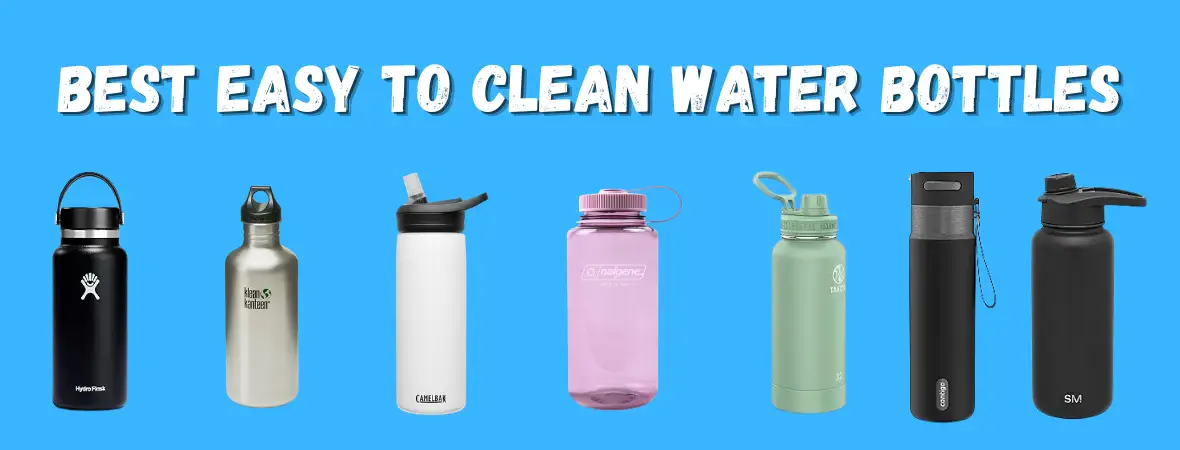
Table of Contents
Quick Answer
The easiest water bottle to clean is usually a wide-mouth bottle with a simple screw cap or loop cap. These bottles are easier to scrub, easier to dry, and have fewer hidden parts where residue can build up.
For most people, the Nalgene Wide Mouth is the easiest low-maintenance pick. If you want insulation, the Hydro Flask Wide Mouth and Takeya Actives are stronger choices. Straw lids and Autoseal lids are convenient, but they need more careful cleaning around the straw, valve, gasket, or lid mechanism.
Why Your Water Bottle Still Smells After Washing
You rinse your water bottle every day, but it still smells strange. The lid may have black spots, the straw may taste weird, or the bottom may feel slippery. These are signs that your bottle is not as clean as it looks.
Many reusable water bottles trap moisture, residue, and odor in hidden spots like the lid, straw, gasket, mouthpiece, and bottom corners. A quick rinse can freshen the taste, but it does not always remove old buildup.
That is why an easy to clean water bottle matters. A wide-mouth opening, simple lid, removable gasket, and fast-drying design can make cleaning much easier.
In this guide, I’ll compare the best easy-clean water bottles, explain which parts need extra care, and help you choose a bottle that stays fresher with less effort.
Stay Hydrated and Hygienic with Our Top Picks
Need the easiest bottle to clean without reading every review first? Here are the top quick picks based on mouth size, lid design, gasket access, straw cleaning, drying time, and daily maintenance.
Hydro Flask Wide Mouth | Klean Kanteen Classic | Nalgene Wide Mouth Bottle | CamelBak Eddy | Simple Modern Summit | Contigo Autoseal | Takeya Actives |
|---|---|---|---|---|---|---|
 |  |  |  |  |  |  |
⭐4.8/5 | ⭐4.5/5 | ⭐4.3/5 | ⭐4.0/5 | ⭐3.8/5 | ⭐3.5/5 | ⭐3.0/5 |
How the Cleanability Score Works

I scored each bottle based on the cleaning problems people usually face in daily use. The score is not only about whether the bottle body is easy to wash. It also looks at the lid, straw, gasket, drying time, odor risk, and how much effort the bottle needs after regular use.
Cleanability Score Factors:
- Mouth opening and brush access – 25%
- Lid simplicity – 20%
- Gasket access – 20%
- Straw, valve, or mechanism cleaning difficulty – 15%
- Drying speed – 10%
- Dishwasher guidance and cleaning-related user feedback – 10%
A higher score means the bottle is easier to wash, easier to dry, and less likely to trap residue in hidden parts.
Why Ease of Cleaning Matters: Health, Longevity, and Taste

An easy to clean water bottle does more than save time. It helps keep your drinks fresh, reduces hidden buildup, and makes daily use less annoying.
This matters to me because I travel often.
When you are on the road, at the airport, or out all day, the best travel water bottles help you avoid deep cleaning.
A bottle with a wide mouth, simple lid, and removable gasket is much easier to rinse, wash, and dry.
Better Hygiene
Moisture, saliva, and drink residue can collect inside the lid, straw, gasket, and mouthpiece. These hidden spots can lead to bad smells, mold, or buildup if they are not cleaned properly.
This is even more important if you use your bottle for coffee, juice, sports drinks, protein shakes, or flavored water. These drinks leave more residue than plain water.
Longer Bottle Life
Poor cleaning can slowly affect seals, straws, lids, and silicone parts. Old residue and trapped moisture can make parts smell bad, wear out faster, or stop sealing properly.
A simple bottle with removable parts is usually easier to maintain and less likely to need harsh scrubbing.
Better Taste
If your water tastes stale, sour, metallic, or plastic-like, the problem may be hidden buildup. The lid, gasket, straw, and bottom corners are usually the first places to check.
Proper washing and full drying help keep your drinks tasting clean. That is why wide-mouth openings, simple lids, and removable parts make a big difference.
What Makes a Water Bottle Easy to Clean? Key Features to Look For
A water bottle is easy to clean when you can wash every part without struggling with narrow openings, hidden corners, or tiny lid pieces.
- Wide-mouth opening
Easier to clean with a bottle brush and faster to dry after washing. - Simple lid design
Fewer small parts means fewer places for moisture, smell, or residue to hide. - Dishwasher-safe parts
Saves time, but always check if the lid, straw, gasket, and cap are also dishwasher-safe. - Easy-to-clean material
Stainless steel and glass usually hold less odor. Tritan plastic is lightweight, but may need quicker cleaning after flavored drinks. - Removable gasket
A removable gasket is easier to wash and dry, which helps prevent mold and bad smell. - Fast drying design
Wide openings, simple lids, and removable parts help air move through the bottle so moisture does not stay trapped.
My Top Pick
Hydro Flask Wide Mouth
Hydro Flask Wide Mouth is the best overall pick because it balances easy cleaning, strong insulation, and daily use. The wide opening makes the bottle body easier to wash and dry, while the durable stainless steel build works well for work, gym, school, and travel.
Just remember that the straw lid needs extra cleaning.
Some links in this guide may be affiliate links. If you buy through these links, we may earn a small commission at no extra cost to you. I only recommend bottles based on practical features, cleaning ease, and user-focused research.
In-Depth Product Reviews: Best Easy To CLean Water Bottles
Before the full reviews, here is a quick look at which bottle is best for which type of user.
- Hydro Flask Wide Mouth – Best Overall
Best for people who want insulation, cold drinks, durability, and easier manual cleaning. - Nalgene Wide Mouth – Easiest to Clean
Best for students, hikers, budget buyers, and anyone who wants the simplest bottle to wash. - Takeya Actives – Best for Gym
Best for workouts, travel, hiking, and active daily routines with fewer straw-cleaning issues. - Klean Kanteen Classic – Best Simple Stainless Steel Bottle
Best for people who want a durable stainless steel bottle with a simple no-straw lid. - Simple Modern Summit – Best Stylish Pick
Best for daily users who want a good-looking insulated bottle with different lid options. - CamelBak Eddy+ – Best Straw Bottle
Best for people who like easy sipping through a straw and do not mind cleaning small parts. - Contigo Autoseal – Best Leak-Resistant Pick
Best for commuters, school bags, office use, and anyone who need strong leak protection.
How I Score:
I scored each bottle based on how easy it is to clean in real daily use. I checked the mouth opening, lid design, gasket access, straw or valve cleaning, drying time, and dishwasher guidance. Bottles with wide mouths, simple lids, removable parts, and fewer hidden corners scored higher. I also looked at common user feedback about smells, mold, residue, leaking, and hard-to-clean lid parts. A higher rating means the bottle is easier to wash, easier to dry, and more practical for everyday hygiene.
Hydro Flask Wide Mouth | Klean Kanteen Classic | Nalgene Wide Mouth | CamelBak Eddy | Simple Modern Summit | Contigo Autoseal | Takeya Activites | |
|---|---|---|---|---|---|---|---|
| | | | | | | |
Material | Stainless steel | Stainless steel | Lightweight plastic | Lightweight daily-use build | Stainless steel | Stainless steel | Stainless steel |
Insulated | Yes | Model dependent | No | No | Yes | Yes | Yes |
Cleaning Ease | Easy to medium | Medium | Very easy | Medium to tricky | Medium | Medium to tricky | Easy to medium |
Rating | ⭐ 4.8/5 | ⭐ 4.5/5 | ⭐ 4.3/5 | ⭐4.0/5 | ⭐3.8/5 | ⭐3.5/5 | ⭐3.0/5 |
Buy Now |
1. Hydro Flask Wide Mouth
Hydro Flask Wide Mouth
Hydro Flask Wide Mouth is a strong everyday bottle for people who want cold drinks, durable stainless steel, and easier cleaning. The wide opening makes it simple to scrub, refill, and add ice. It is a great daily-use pick, but the straw lid needs regular cleaning.
PROS
-
Wide-mouth opening is easier to scrub
-
Durable stainless steel body
-
Keeps drinks cold for daily use
-
Good for work, gym, school, and travel
-
Easier to refill and add ice
-
Leak-resistant when closed properly
CONS
-
Straw lid needs extra cleaning
-
Gasket and mouthpiece need regular care
-
Can dent if dropped on hard surfaces
-
Some larger sizes may not fit regular cupholders
Best For: People who want an insulated bottle that is easier to clean than many narrow-mouth bottles.
Avoid If: You do not want to clean straw-lid parts or small gasket areas.
Why I Picked It
Hydro Flask Wide Mouth is my best overall pick because it gives a strong mix of insulation, durability, and easier cleaning.
The wide-mouth opening makes a big difference. You can fit a bottle brush inside, see the bottom clearly, add ice easily, and rinse the bottle without struggling. For daily use, that makes cleaning much less annoying.
It is a good fit for work, gym, school, road trips, and everyday cold drinks.

Cleanability
The stainless steel body is fairly easy to rinse and clean. It is also less likely to hold odor compared with many plastic bottles, especially if you mostly use it for water.
The main thing to watch is the lid. If you choose a simple cap, cleaning is easier. If you use the straw lid, you will need a straw brush and a little more care around the mouthpiece and small parts.
Lid and Gasket Check
The bottle body is easy to manage, but the lid should not be ignored. Straw lids can trap residue if they are only rinsed quickly.
Take the lid apart when needed, clean the mouthpiece properly, and let all parts dry before closing the bottle again.

Cleaning Tip
Use a bottle brush for the body and a straw brush for the lid. After washing, let the lid and bottle dry fully before putting them back together.
Drawbacks
Users often like Hydro Flask for cold retention, durability, leak resistance, and everyday convenience. Many also find the wide-mouth design easier to clean and refill.
The common cleaning concern is the straw lid. People like the convenience, but it needs regular cleaning to stay fresh. A few users also mention dents after drops, plastic ring issues, or larger sizes not fitting standard cupholders.
Verdict
Choose Hydro Flask Wide Mouth if you want an easy-to-clean insulated water bottle that works well for daily use.
The bottle body is simple to wash, the insulation is strong, and the wide opening makes cleaning easier. Just remember that the straw lid needs more care than a basic screw cap.
2. Klean Kanteen Classic
Klean Kanteen Classic
Klean Kanteen Classic is a good pick if you want a durable stainless steel bottle with a simple no-straw design. It has fewer small parts to clean, which makes daily maintenance easier. Choose a wider-mouth version if easy scrubbing is your main priority.
PROS
-
Simple no-straw design
-
Durable stainless steel body
-
Fewer lid parts to clean
-
Good for outdoor and daily use
-
Lightweight and practical
-
Easier to maintain with regular cleaning
CONS
-
Narrow-mouth versions can be harder to scrub
-
No built-in straw option
-
Cleaning feedback is more limited than some other bottles
-
Finish style may not suit everyone
Best For: People who want a simple stainless steel bottle with fewer lid parts.
Avoid If: You want a built-in straw or the easiest wide-mouth cleaning experience.
Why I Picked It
Klean Kanteen Classic is a practical choice for people who want a low-fuss stainless steel water bottle.
The biggest advantage is its simple lid design. It does not have a straw, bite valve, or push-button mechanism, so there are fewer areas where residue can hide. This makes it easier to maintain than bottles with more complex lids.
It is a good fit for outdoor use, commuting, school, work, and everyday hydration.

Cleanability
The stainless steel body is easy to rinse and helps reduce odor compared with many plastic bottles, so cleaning your Hydro Flask follows a similar process.
Cleaning ease depends on the mouth size. A wider version will be easier to scrub with a bottle brush, while a narrow-mouth version may need a slimmer brush.
Lid and Gasket Check
The loop cap is simpler than straw-style lids, but you should still clean around the seal and cap threads.
After washing, let the cap dry fully before closing the bottle. This helps reduce trapped moisture and odor.

Cleaning Tip
Use a soft bottle brush, especially if you choose a narrower model. Clean around the cap seal and let the lid dry before closing.
Drawbacks
Users like Klean Kanteen for its clean design, lightweight feel, insulation, cupholder fit, and durable build.
The no-straw design is also a plus for people who want fewer parts to clean. Based on the available feedback, there were no strong repeated complaints about mold, odor, or leaking. The only small concern mentioned was about the finish style on one model.
Verdict
Choose Klean Kanteen Classic if you want a simple stainless steel bottle with fewer parts to clean. It is not the flashiest option, but it works well for people who want durability, everyday use, and a lower-maintenance lid.
3.Nalgene Wide Mouth Bottle
Nalgene Wide Mouth Bottle
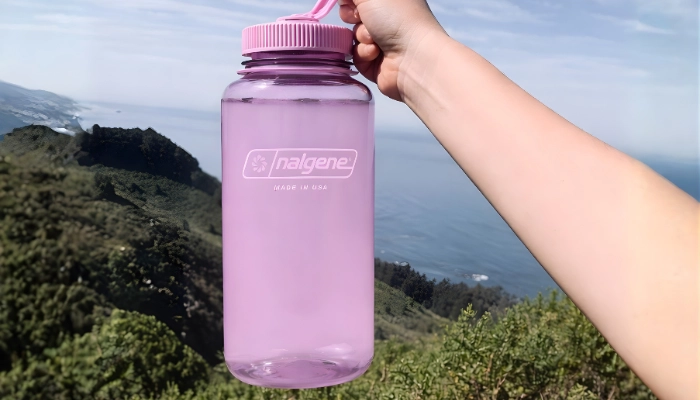
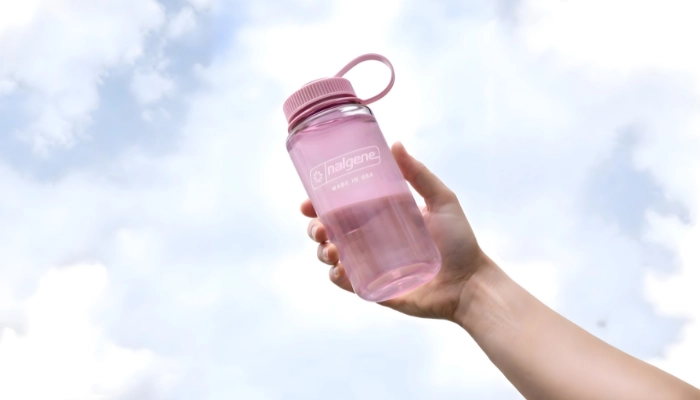
Nalgene Wide Mouth is one of the easiest water bottles to clean because it has a wide opening, simple screw cap, and no straw parts. It is lightweight, budget-friendly, and great for school, hiking, gym, and daily water use.
PROS
-
Very easy to clean
-
Wide-mouth opening
-
Simple screw cap
-
Lightweight and budget-friendly
-
Easy to add ice
-
Good for hiking, school, gym, and daily use
CONS
-
Not insulated
-
Wide opening can spill while drinking on the move
-
Plastic may hold odor if not cleaned after flavored drinks
-
Does not feel as premium as stainless steel or glass
Best For: Students, hikers, budget buyers, and anyone who wants the easiest bottle to clean.
Avoid If: You want an insulated bottle that keeps drinks cold for hours.
Why I Picked It
Nalgene Wide Mouth stands out because it keeps things simple.
There are no straw tubes, bite valves, push buttons, or complicated lid parts. The wide opening makes it easy to see inside, reach the bottom with a brush, add ice, and rinse the bottle properly.
If easy cleaning is your main priority, this is one of the safest picks.
Cleanability
This is where Nalgene performs really well. The wide-mouth design makes handwashing simple, and the basic screw cap has fewer hidden areas for residue to collect.
It is especially easy to maintain if you mostly use it for plain water. If you use it for juice, sports drinks, or flavored water, wash it soon after use to avoid odor.
Lid and Gasket Check
The lid is simple, but you should still clean around the cap and bottle threads. These small areas can collect residue if you only rinse the bottle quickly.
Let the bottle and cap dry fully before closing it again.
Cleaning Tip
Wash it soon after using juice, sports drinks, coffee, or flavored water. This helps prevent odor and keeps the bottle fresher for longer.
Drawbacks
Users often like Nalgene because it is durable, lightweight, leak-resistant, and easy to clean. Many also mention that the wide opening makes it simple to add ice and use regular cleaning tools.
The main downside is that it is not insulated. Some users also say plastic can hold smell if flavored drinks sit inside for too long.
Verdict
Choose Nalgene Wide Mouth if you want a simple, low-maintenance water bottle that is easy to wash and easy to use. It is not insulated, but for cleaning ease, durability, and everyday value, it is one of the best options.
4. CamelBak Eddy
CamelBak Eddy
CamelBak Eddy+ is a good pick if you like straw-style sipping for school, work, gym, or travel. It is lightweight and convenient, but the straw and bite valve need regular cleaning to stay fresh.
PROS
-
Easy straw sipping
-
Lightweight and easy to carry
-
Good for school, work, gym, and travel
-
Convenient for one-handed drinking
-
Replacement straws and spouts are available
CONS
-
Straw needs regular cleaning
-
Bite valve can trap residue
-
More parts than a simple bottle
-
Leak feedback is mixed
-
May need replacement parts over time
Best For: People who want easy sipping through a straw.
Avoid If: You do not want to clean small straw parts.
Why I Picked It
CamelBak Eddy+ is useful for people who do not want to open a cap every time they drink.
The straw-style lid makes sipping easy while walking, driving, studying, or working out. It is convenient for daily use, but it needs more cleaning attention than a simple screw-cap bottle.

Cleanability
The bottle body is not the hard part. The main cleaning issue is the straw and bite valve.
These small parts can trap residue, moisture, and smell if you only rinse them quickly. If you use this bottle every day, a straw brush is important.
Lid and Bite Valve Check
Remove the straw and bite valve when cleaning. Wash them separately and let each part dry before putting the bottle back together.
If the bite valve starts to smell, feel sticky, or seal poorly, it may need a deeper clean or replacement.

Cleaning Tip
Take out the straw and bite valve, then clean them with a small straw brush. Let all parts dry separately before using the bottle again.
Drawbacks
CamelBak Eddy+ is convenient, but it is not the easiest bottle to clean.
The straw and bite valve need regular attention because they can trap moisture, residue, and smell. A quick rinse is usually not enough if you use it daily.
Leak feedback is also mixed. Some users say it works well when closed properly, while others mention leaking when it is overfilled, placed sideways, or when the bite valve starts to wear out.
If you want the lowest-maintenance option, a wide-mouth screw-cap bottle will be easier.
Verdict
Choose CamelBak Eddy+ if you want a convenient straw bottle and do not mind cleaning the small parts properly. If you want the easiest bottle to maintain, a wide-mouth screw-cap bottle will be simpler.
5. Simple Modern Summit
Simple Modern Summit
Simple Modern Summit is a stylish everyday bottle with good insulation, durable build, and multiple lid options. It works well for school, work, gym, and travel, but cleaning depends on which lid you choose.
PROS
-
Stylish design
-
Keeps drinks cold well
-
Good value for daily use
-
Durable stainless steel body
-
Multiple lid options
-
Easy to carry for work, school, gym, and travel
CONS
-
Cleaning depends on the lid style
-
Some parts may need handwashing
-
Straw or flip lids need extra care
-
A few users may notice early taste or smell
-
Multiple lid options can mean more pieces to maintain
Best For: People who want a stylish insulated bottle for daily use.
Avoid If: You want one simple cleaning routine without checking different lid parts.
Why I Picked It
Simple Modern Summit is a good choice if you want an insulated bottle that looks clean, feels practical, and works for daily hydration.
The main reason it stands out is flexibility. You can find it with different lid styles, which is helpful for different routines.
But from a cleaning point of view, the simplest lid will always be easier to maintain than a straw or flip-style lid.

Cleanability
The bottle body is fairly easy to wash, especially if you use it mostly for water. The stainless steel design also helps with daily use and cold retention.
Cleaning becomes more detailed when you choose a straw lid or a lid with more small parts. These parts can trap moisture or residue if they are not washed properly.
Lid and Care Check
Before buying, check the exact care instructions for your model. Some users expect dishwasher-safe cleaning, but certain parts may still need handwashing.
If easy cleaning is your main goal, choose the simplest lid option and let all parts dry fully before putting the bottle back together.

Cleaning Tip
Wash the bottle before first use and leave it open to dry. For easier upkeep, choose the simplest lid and follow the care label for your exact model.
Drawbacks
Simple Modern Summit is easy to like, but it is not the most low-maintenance option if you choose a straw or flip-style lid. These lids can add more small parts to clean and dry.
Care instructions can also vary by model, so do not assume every part is dishwasher-safe. If you want the easiest setup, go with the simplest lid and check the label before washing.
Verdict
Choose Simple Modern Summit if you want a stylish insulated bottle that works well for everyday use. It is a strong pick for value, looks, and cold drinks, but the easiest cleaning experience depends on choosing the right lid.
6. Contigo Autoseal
Contigo Autoseal
Contigo Autoseal is a good pick if leak protection is your main priority. Its one-handed drinking design is useful for commuting, work, school, and travel, but the lid mechanism needs more careful cleaning than a basic screw cap.
PROS
-
Strong leak protection
-
Good for commuting, work, school, and travel
-
One-handed drinking
-
No straw to scrub
-
Keeps drinks cold
-
Durable for daily use
CONS
-
Lid mechanism needs careful cleaning
-
Not as simple as a screw-cap bottle
-
Best for water, not sticky drinks
-
Larger sizes may not fit some cupholders
-
Stainless steel body can dent or scratch over time
Best For: Commuters, office users, students, and anyone who wants strong leak protection.
Avoid If: You want the simplest lid to clean.
Why I Picked It
Contigo Autoseal stands out because of its leak-resistant lid.
It is made for people who carry their bottle in a bag, car, office setup, or backpack and do not want spills.
The one-handed drinking button also makes it convenient when you are driving, walking, or working.

Cleanability
Contigo Autoseal avoids the straw-cleaning problem, which is a plus. But the Autoseal lid is still more detailed than a simple cap.
The spout, button area, and moving parts need proper cleaning because residue and moisture can sit inside the mechanism. If you mostly drink plain water, it will be easier to maintain.
Lid and Mechanism Check
Open the lid mechanism fully when washing. Pay attention to the spout and button area because these are the spots that can trap moisture.
Some newer Contigo lids are easier to access for cleaning, but they still need more care than a wide-mouth screw-cap bottle.

Cleaning Tip
Open the Autoseal mechanism fully and clean around the spout and button area. Use it mostly for water if you want easier maintenance.
Drawbacks
Contigo Autoseal is great for leak protection, but the lid is not the easiest to clean. The button, spout, and internal mechanism need regular attention, especially if you use anything other than plain water.
It is also not the best option if you want a low-maintenance bottle. A simple wide-mouth bottle will be easier to wash and dry.
Verdict
Choose Contigo Autoseal if leak protection matters more than simple cleaning. It is a strong choice for commuting, school, work, and travel, but the lid mechanism needs regular care to stay fresh.
7. Takeya Actives
Takeya Actives
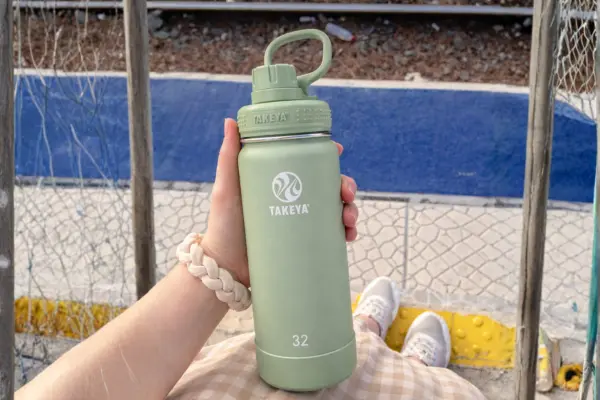
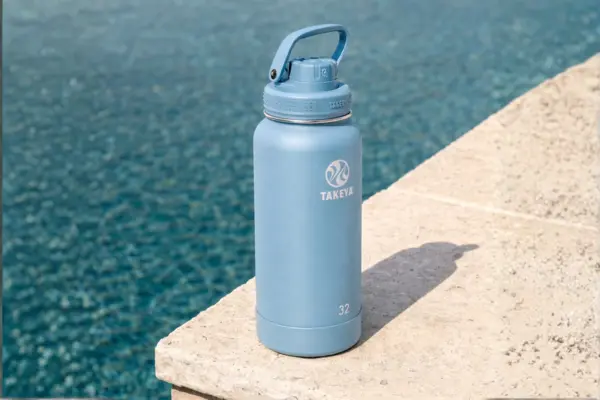
Takeya Actives is a strong pick for people who want an insulated bottle for workouts, travel, and outdoor use. The wide mouth makes cleaning and adding ice easier, while the spout lid is more convenient than a basic cap without adding a long straw to scrub.
PROS
-
Wide mouth helps with cleaning and ice
-
Spout lid is convenient
-
No long straw to scrub
-
Good insulation
-
Useful for gym, travel, and outdoor use
-
Comfortable handle for carrying
CONS
-
Gasket needs regular checks
-
Silicone parts can hold moisture
-
Seal may need replacement over time
-
Rubber bottom may come off for some users
-
Larger sizes may feel tall or less balanced
Best For: Gym, travel, hiking, and active daily routines.
Avoid If: You do not want to check or clean gaskets regularly.
Why I Picked It
Takeya Actives works well for people who want a durable insulated bottle for busy days.
It is especially useful for gym users, hikers, travelers, and anyone who wants cold water on the go. The wide-mouth design helps with filling, adding ice, and cleaning the inside with a bottle brush.
Cleanability
From a cleaning point of view, Takeya Actives is easier to manage than many straw bottles.
The spout lid gives you quick drinking without a long straw tube, so there are fewer small parts to scrub. The wide opening also helps the bottle dry better after washing.
Lid and Gasket Check
The main thing to watch is the gasket.
The spout lid is convenient, but the silicone seal needs regular checks. If moisture sits around the gasket for too long, it can lead to odor, buildup, or mold concerns.
Remove and inspect the gasket often, especially if you use the bottle every day.
Cleaning Tip
Remove and inspect the gasket weekly. Clean the lid, spout, and seal area properly, then let all parts dry fully before putting the bottle back together.
Drawbacks
Takeya Actives is easier to clean than many straw bottles, but the gasket still needs attention. If you ignore the silicone seal, moisture and residue can build up over time.
Some users also mention seal wear, black marks, or rubber bottom issues. So while the bottle is strong for active use, it is not completely maintenance-free.
Verdict
Choose Takeya Actives if you want an insulated bottle for gym, travel, hiking, or daily use. It is easier to maintain than many straw bottles, but the gasket still needs regular cleaning and drying.
The Ultimate Guide to Cleaning Any Water Bottle, Even the Tricky Ones
Cleaning your water bottle does not have to be difficult. The main goal is simple: clean the parts that touch your mouth and the areas where moisture can hide, like the lid, straw, gasket, spout, and bottom corners.
Daily Cleaning Routine
Empty the bottle and rinse it after use. Add warm water and mild dish soap, then scrub the inside with a bottle brush.
Wash the lid separately because smell and residue often collect there. Rinse everything well and let the bottle dry upside down with the lid open.
Weekly Deep Cleaning Routine
Once a week, take the bottle apart. Remove the lid, straw, gasket, and any small removable pieces.
Soak the parts in warm soapy water, then clean tight corners with a small brush. For odor or buildup, use baking soda or a vinegar rinse.
Rinse fully and let every part air dry before putting the bottle back together.
How to Clean Straw Lids
Remove the straw and clean it with a small straw brush. If there is a bite valve or soft spout, wash that separately too.
Let all parts dry fully before attaching them again.
How to Clean Chug Lids
Scrub the drinking spout, cap threads, and small corners where liquid can sit.
If the lid has a removable gasket, take it out, wash it, and dry it separately. Leave the lid open while drying.
How to Clean Wide-Mouth Bottles
Wide-mouth bottles are usually the easiest to clean. Use a full-size bottle brush to scrub the inside and reach the bottom corners.
After rinsing, place the bottle upside down on a drying rack so it can drain and dry faster.
The Gasket Guide: How to Remove, Clean, and Reinsert Gaskets
The gasket is the small silicone ring inside many water bottle lids. It helps stop leaks, but it can also trap moisture, drink residue, and bad smell if you never remove it.
This is why your bottle may still smell bad even after washing the body. The bottle may look clean, but the hidden gasket area can still hold buildup.
How Often Should You Clean the Gasket?
If you use your bottle every day, clean the gasket at least once a week.
If you use coffee, juice, sports drinks, protein shakes, or flavored water, check it more often. These drinks leave more residue than plain water.
How to Remove the Gasket Safely
Use clean fingers or a soft tool to lift the gasket out gently.
Avoid knives, sharp metal tools, or anything that can cut or stretch the silicone. If the gasket gets damaged, the lid may not seal properly.
How to Clean the Gasket
Wash the gasket with warm soapy water. Use a small detail brush to clean around the edges where residue usually sits.
If it still smells, soak it for a little while, then rinse it well. Let it dry completely before putting it back into the lid.
When Should You Replace a Gasket?
Replace the gasket if it still smells after cleaning, has black spots, feels sticky, looks cracked, or no longer seals properly. A worn gasket can cause leaks and bad smells, so replacing it is better than cleaning the same damaged part again and again.
Essential Water Bottle Cleaning Tools and Accessories
You do not need many tools to keep your water bottle clean. A few simple items can make daily washing easier, especially if your bottle has a straw, gasket, spout, or tricky lid.
Bottle Brush
A bottle brush is the main tool you need. It helps scrub the inside of the bottle and reach the bottom corners where residue can sit.
This is especially useful for tall bottles or bottles your hand cannot fit into.
Straw Brush
If your bottle has a straw, a straw brush is a must. Rinsing the straw with water is not enough because buildup can stay inside.
Use it for straws, bite valves, soft spouts, and narrow tubes.
Detail Brush
A detail brush helps clean the small areas most people miss. Use it around gaskets, lid grooves, spouts, cap threads, and tight corners.
These hidden spots are often where odor starts.
Drying Rack
A drying rack helps the bottle and lid dry faster after washing. This matters because trapped moisture can lead to smell and buildup.
Let the bottle, lid, straw, and gasket dry separately before putting them back together.
UV Sterilizer
A UV sterilizer can add extra sanitation, especially when traveling. But it should not replace normal washing.
You still need to scrub the bottle, lid, straw, and gasket because UV light will not remove physical residue or hidden buildup.
Beyond the Bottle: Small Habits That Keep It Fresh
Keeping your water bottle clean is not only about deep cleaning. Small daily habits can stop smell, residue, and moisture from building up in the first place.
1. Do Not Leave Drinks Overnight
Try not to leave coffee, juice, protein shakes, sports drinks, or flavored water sitting in the bottle overnight. These drinks can leave residue behind and quickly lead to smell, stains, or buildup.
2. Rinse After Flavored Drinks
If you use anything other than plain water, rinse the bottle as soon as you can. Even a quick rinse helps stop residue from drying inside the bottle, lid, straw, or gasket.
3. Let the Lid Stay Open
After washing, do not close the bottle right away. Keep the lid open and let the bottle dry fully. A clean bottle can still smell bad if moisture stays trapped inside.
4. Store It Completely Dry
Before storing your bottle, make sure the body, lid, straw, and gasket are fully dry. Sealing a damp bottle is one of the easiest ways to bring odor back.
Quick Takeaway
The easiest habit is simple: rinse after use, clean the hidden parts, dry everything fully, and store the bottle open. This keeps your bottle fresher without adding much extra work to your routine.
Realistic Cleaning Hacks That Actually Help
Some cleaning tips sound basic, but they can make a big difference if your water bottle often smells bad or feels hard to clean. These are simple habits that work for most everyday bottles.
1. Baking Soda Soak for Odor
If your bottle has a stale smell, try a baking soda soak. Add warm water and a small amount of baking soda, let it sit for a while, then scrub and rinse well.
This is helpful after coffee, juice, protein shakes, or flavored drinks.
2. Straw Brush for Hidden Buildup
If your bottle has a straw, use a straw brush. Rinsing the straw is not enough because residue can still stay inside.
A small brush helps clean the hidden part where smell often starts.
3. Weekly Gasket Check
Check the gasket once a week. Remove it, wash it gently, and let it dry before placing it back.
If you see black spots, smell, or sticky buildup, clean it right away or replace it if needed.
4. Leave the Bottle Open Overnight
After washing, leave the bottle open overnight so it can dry fully. This helps stop trapped moisture from turning into odor.
Do the same with the lid, straw, and gasket. Keep all parts separate until they are fully dry.
5. Switch to a Wide-Mouth Bottle
If cleaning always feels difficult, a wide-mouth bottle may be the better choice.
A wider opening makes it easier to scrub the inside, see the bottom, and dry the bottle properly.
Quick Takeaway
The safest cleaning hacks are simple: soak for odor, use the right brush, check the gasket, dry everything fully, and choose a bottle that is easy to clean. Avoid harsh cleaning tricks that could damage the bottle or leave unsafe residue behind.
FAQs: Water Bottle Hygiene Questions Answered
How often should I clean my water bottle?
Wash your bottle daily if you use it every day. Do a deeper clean once a week, especially around the lid, straw, gasket, and mouthpiece.
Can mold grow inside a water bottle?
Yes, mold can grow when moisture stays trapped. It usually appears in hidden spots like straws, gaskets, lid grooves, and mouthpieces.
Are stainless steel bottles easier to clean than plastic?
Stainless steel bottles are often easier to keep fresh because they hold less odor. But the lid design still matters.
Are dishwasher-safe bottles always better?
Why does my water bottle smell bad?
Bad smell usually comes from trapped moisture, old drink residue, or parts that did not dry properly. Check the lid, straw, gasket, and bottom first.
What is the easiest type of water bottle to clean?
A wide-mouth bottle with a simple screw cap or loop cap is usually the easiest to clean. It gives you more space to scrub, rinse, and dry.
How do I clean a water bottle gasket?
Remove the gasket gently, wash it with warm soapy water, scrub the edges with a small brush, rinse well, and let it dry fully before reinserting it.
Can I use vinegar and baking soda to clean my bottle?
Yes, vinegar and baking soda can help with odor and light buildup. But you still need to scrub, rinse, and dry the bottle properly.
Should I replace bottle straws and gaskets?
Yes, replace them if they still smell after cleaning, have black spots, feel sticky, look cracked, or no longer seal properly.
What bottle is best for people who hate cleaning?
Choose a wide-mouth bottle with a simple lid. Avoid complicated straw lids, Autoseal lids, or lids with too many small parts.
Conclusion: Your Path to Hygienic Hydration
Choosing an easy-clean water bottle should not be an afterthought. If you use your bottle every day, cleaning matters just as much as insulation, size, style, or price.
A wide-mouth bottle with a simple lid is usually the easiest choice. It is easier to scrub, easier to dry, and less likely to trap residue in hidden parts.
Still, the best bottle depends on your routine. If you want cold water for hours, choose an insulated bottle. If you prefer easy sipping, a straw lid can work well, but it will need extra cleaning.
The main goal is simple: choose a bottle you can actually keep clean. A clean bottle tastes better, smells fresher, supports better hygiene, and lasts longer.
The best easy-clean water bottle is the one you can use and maintain every day without making cleaning feel like a chore.
Zainab Khursheed!
Hey there, I’m Zainab.
I created Water Bottles Experts to remove the guesswork from choosing the right water bottle for your lifestyle.
Every product featured here is evaluated with real-life use in mind, focusing on durability, insulation, and everyday convenience.
After learning, how consistent hydration impacts overall well-being, I now share practical guides, comparisons, and honest reviews to help you make informed, confident choices about water bottles that truly work for daily life.
Over the years, I’ve researched and compared dozens of water bottles, focusing on material safety, insulation performance, and long-term usability rather than short-term trends.
How I Chose These Bottles
This guide is based on a detailed review of bottle design, cleaning ease, lid style, gasket access, straw cleaning, drying time, material type, dishwasher guidance, and real user feedback.
I do not personally test every bottle featured on this site. Instead, I compare manufacturer details with repeated user experiences to understand which bottles are easier to clean in daily life.
For this guide, I paid close attention to the parts that usually cause cleaning problems, such as narrow openings, straw lids, bite valves, Autoseal mechanisms, silicone gaskets, cap threads, and hidden lid corners.
I also looked at common user complaints, including bad smell, mold concerns, leakage, hard-to-clean lids, trapped moisture, dents, cupholder fit, and whether the bottle stays fresh with regular use.
The goal is simple: to recommend bottles that are not only useful for hydration, but also realistic to clean, dry, and maintain every day.