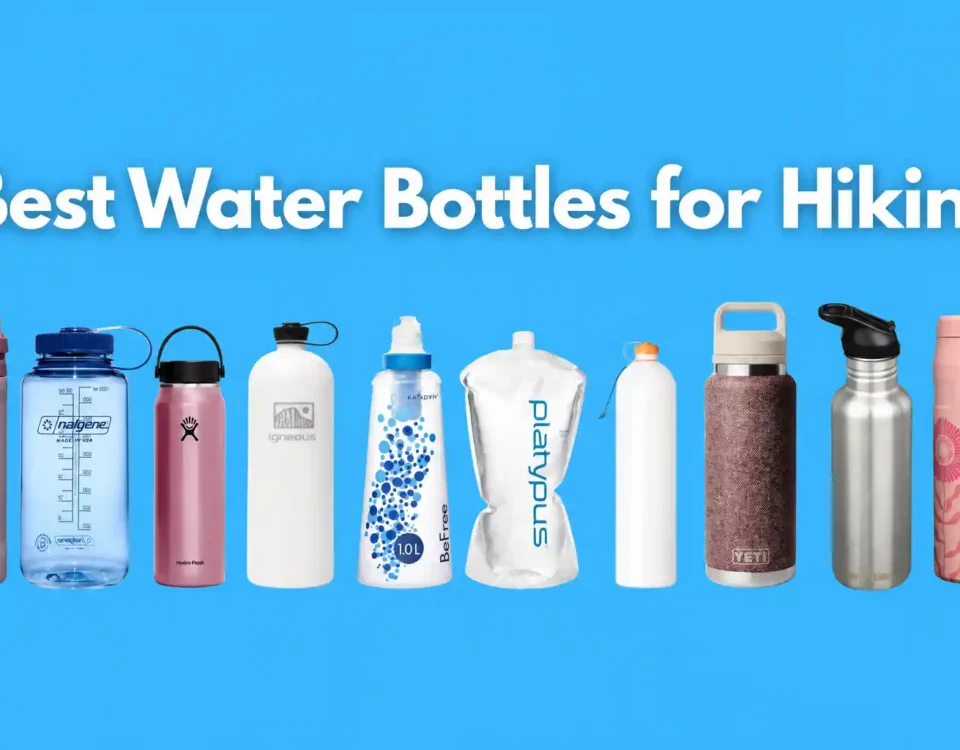
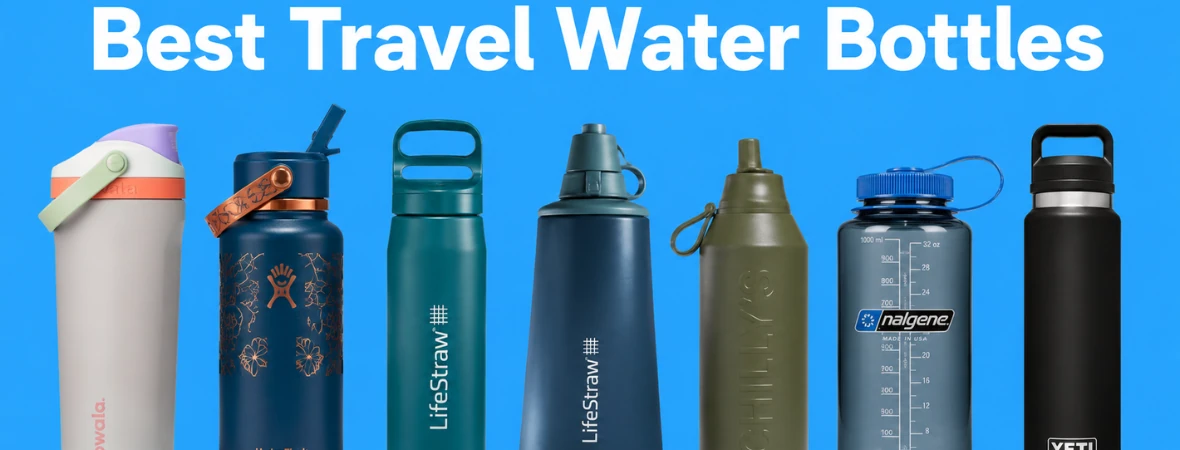
7 Best Travel Water Bottles of 2026 for Flights, Backpacking & Everyday Travel

Leave a comment  /  Blog  By Zainab.K  /  15 August 2026

Best Travel Water Bottles

Table of Contents

Quick Answer

The Owala FreeSip Sway 30 oz is the best overall travel water bottle for its leak protection, cold retention, and easy-carry design.

Choose Nalgene for lightweight travel, Hydro Flask for insulation, YETI for durability, LifeStraw Go for filtered travel, LifeStraw Peak for backpacking, and Chilly’s Series 3 Flip for long cold retention.

How I reviewed this topic:

I reviewed these travel water bottles based on capacity, empty weight, lid design, insulation, leak protection, cleaning ease, portability, filtration, and overall travel value.

I also compared official product specifications and verified customer review patterns, focusing on real travel needs such as flights, commuting, backpacking, international trips, and everyday use.

Imagine this: you’re halfway through a flight, reach into your bag, and find everything damp. Your water bottle has leaked again, and now your passport, headphones, and travel essentials are sitting in a cold mess. Not exactly how you want a trip to start.

A good travel water bottle should make life easier, not create another problem. It should be leak-proof, packable, easy to carry, simple to clean, and reliable enough for flights, road trips, hiking, or everyday commuting.

To help you choose, I compared the 7 best travel water bottles of 2026 using manufacturer specifications, independent research, and real customer feedback. I looked closely at the things that actually matter while traveling:

  • Leak-proof performance for backpacks and carry-ons
  • Weight and packability for easier travel
  • Insulation for keeping drinks cold or hot
  • Bottle size and lid design for everyday convenience
  • Materials and durability for long-term use
  • Cleaning and filtration for travel and outdoor situations

You’ll also find updated TSA water bottle rules and a clear side-by-side comparison, so you can quickly see which option suits your travel style.

Let’s find a travel bottle you can trust inside your bag.

Quick Picks: Best Travel Water Bottles

If you’re in a hurry, here are the best travel water bottles based on portability, insulation, and leak-proof reliability.

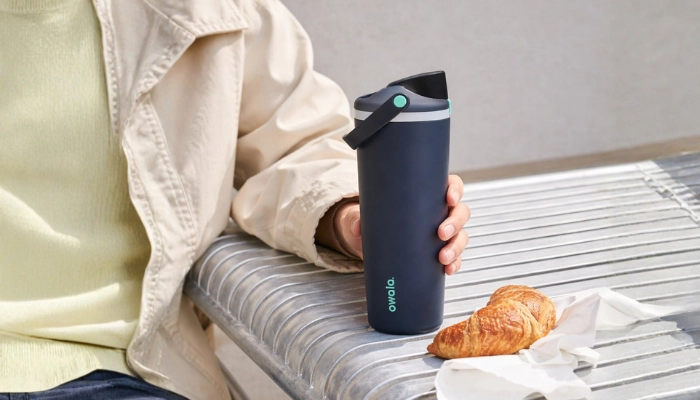
Owala FreeSip Sway 30 oz
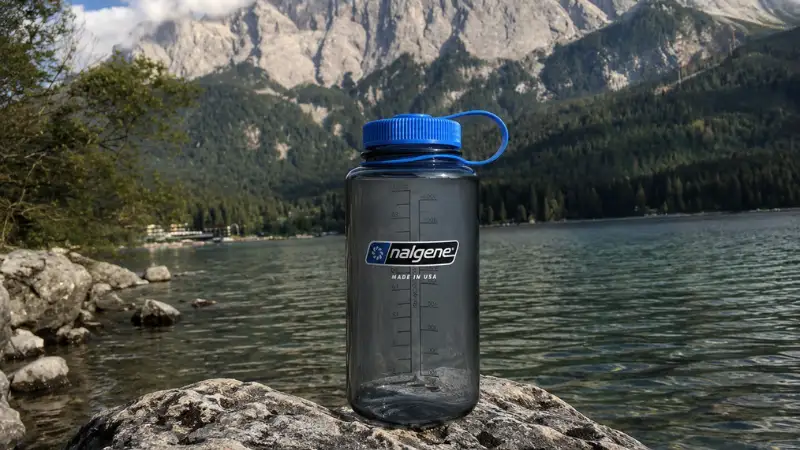
Nalgene Wide Mouth 32 oz
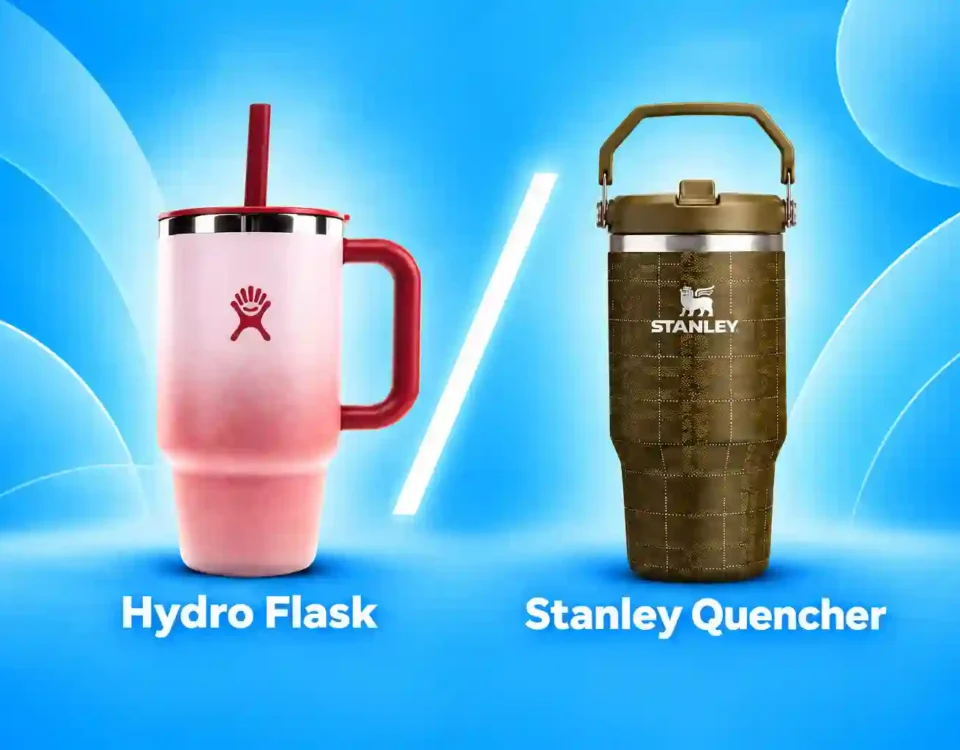
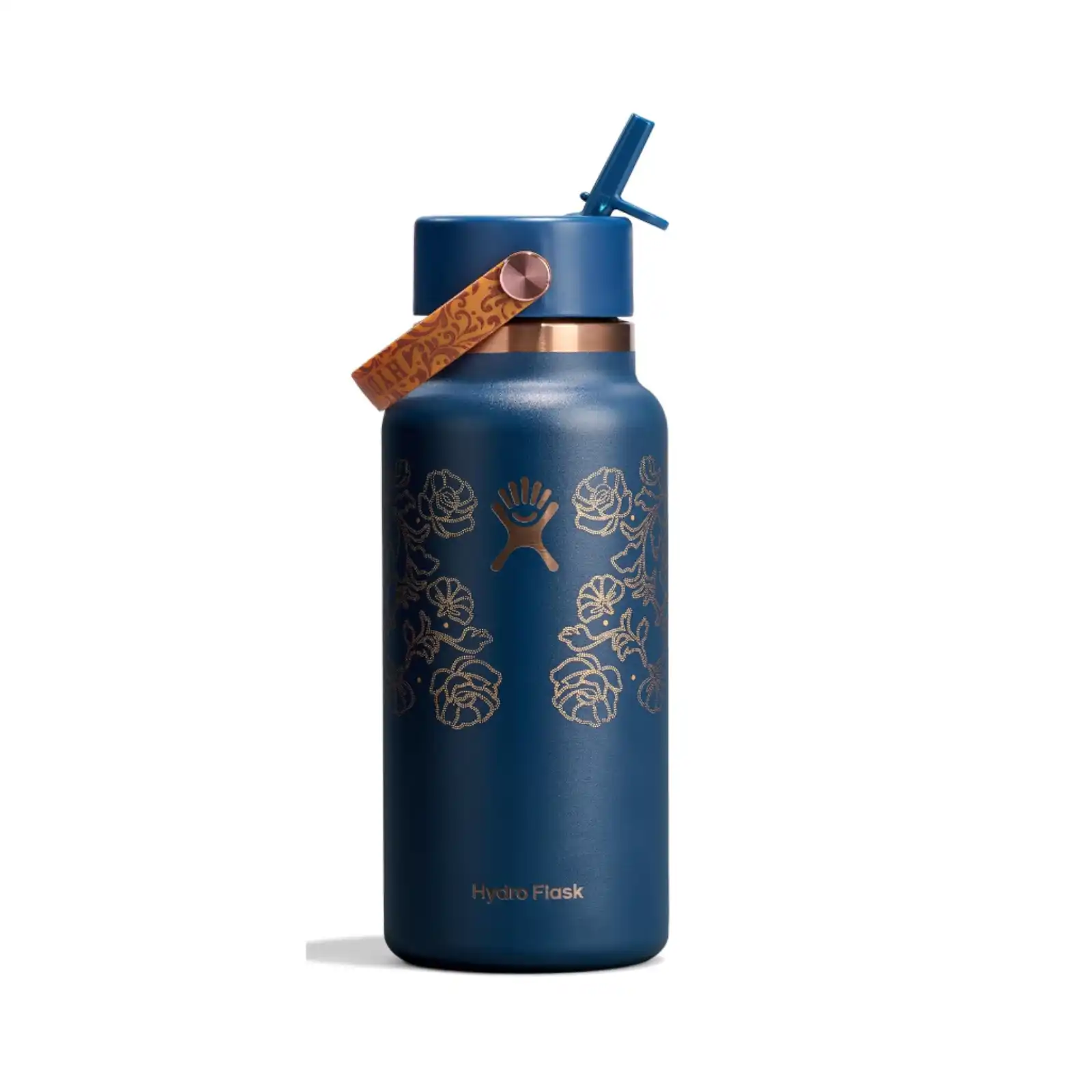
Hydro Flask 24 oz Lightweight Flex Straw
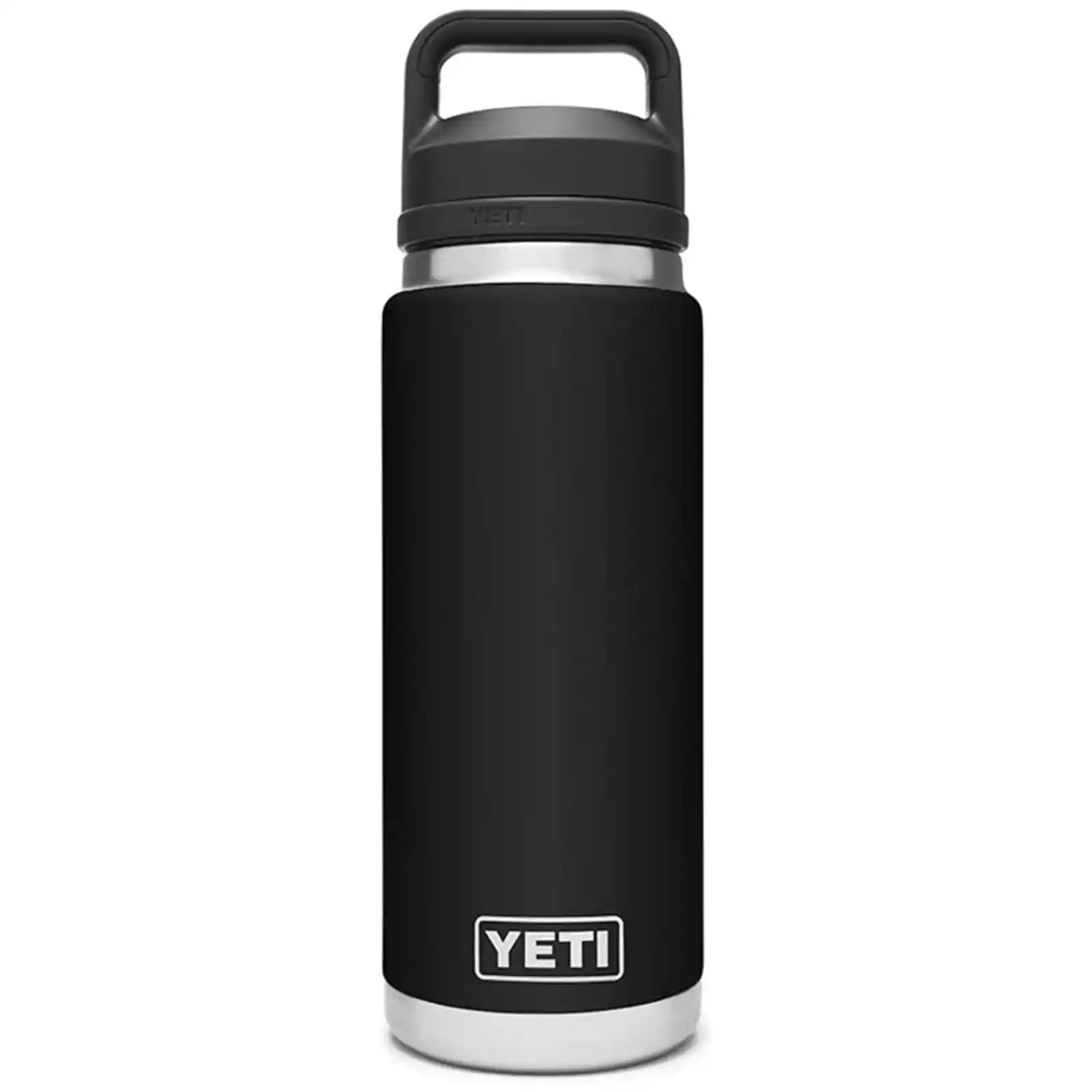
YETI Rambler 26 oz
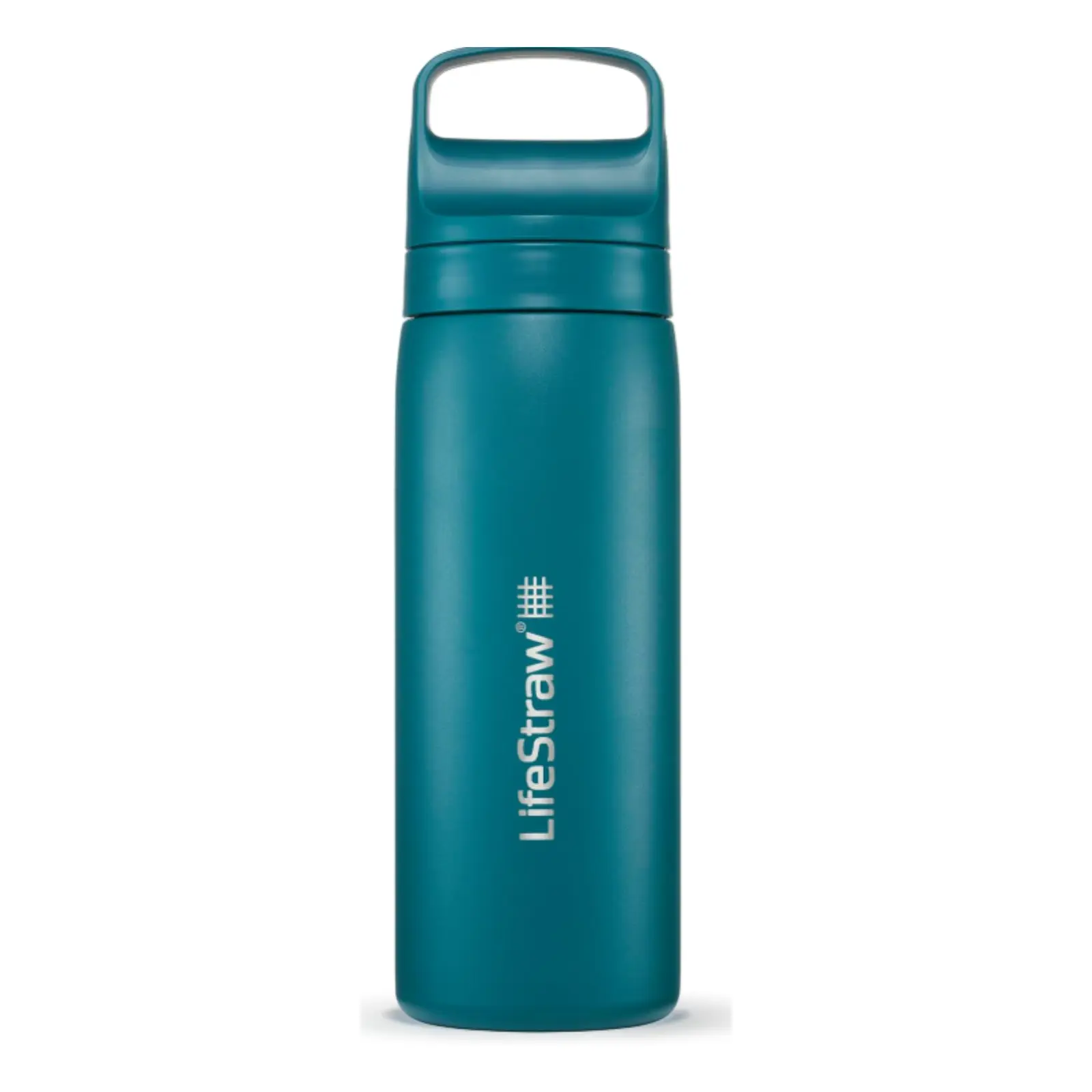
LifeStraw Go Stainless Steel 18 oz
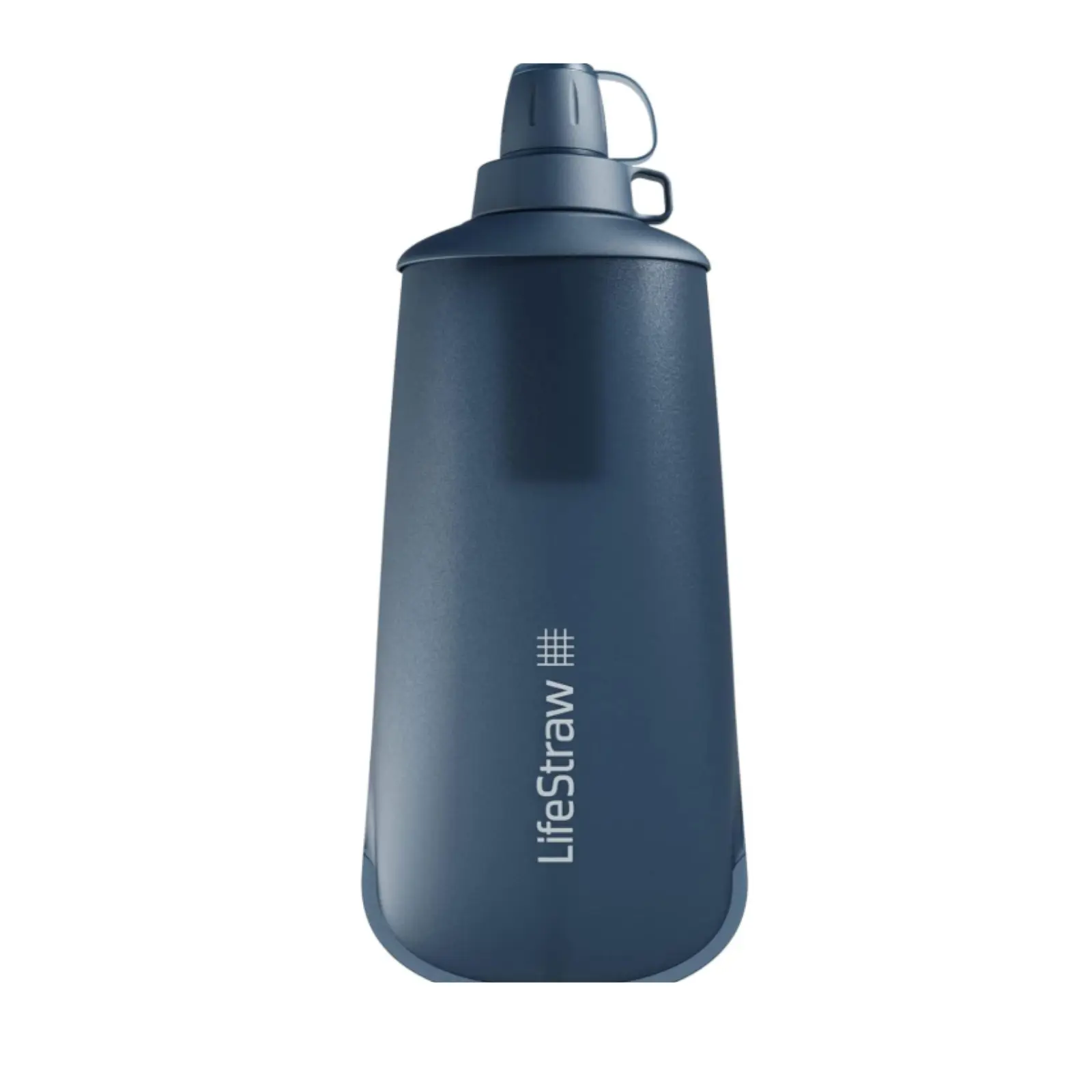
LifeStraw Peak Collapsible 1L
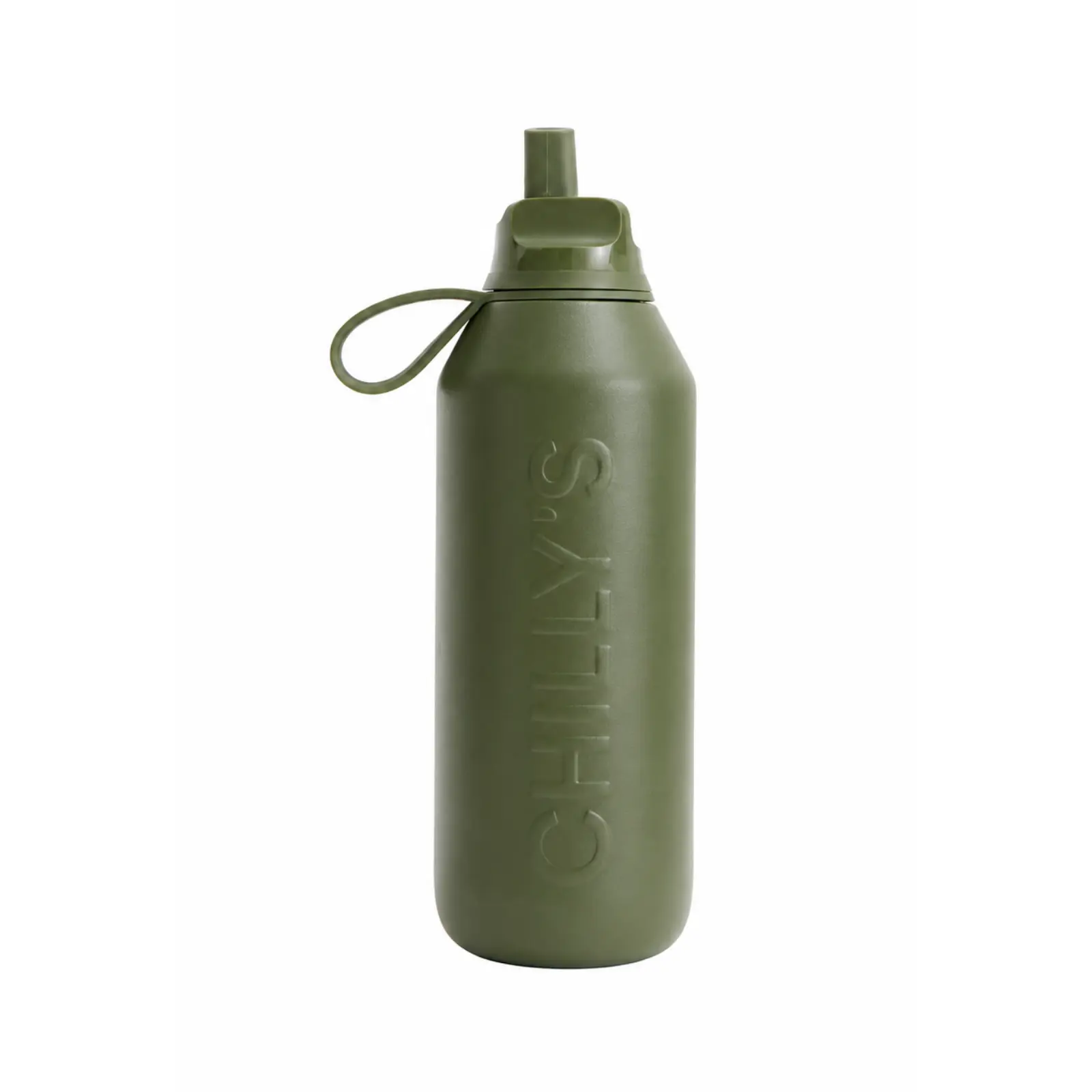
Chilly’s Series 3 Flip 500 mL
Owala FreeSip Sway 30 oz
Nalgene Wide Mouth 16oz
Hydro Flask 24
Yeti Rambler 26 oz Bottle with Chug Cap
Takeya Actives
LifeStraw Peak Series Collapsible 1L
Chilly’s Series 3 Flip 500 mL

TSA Rules and Airport Security Tips for Water Bottles (2026 Update)

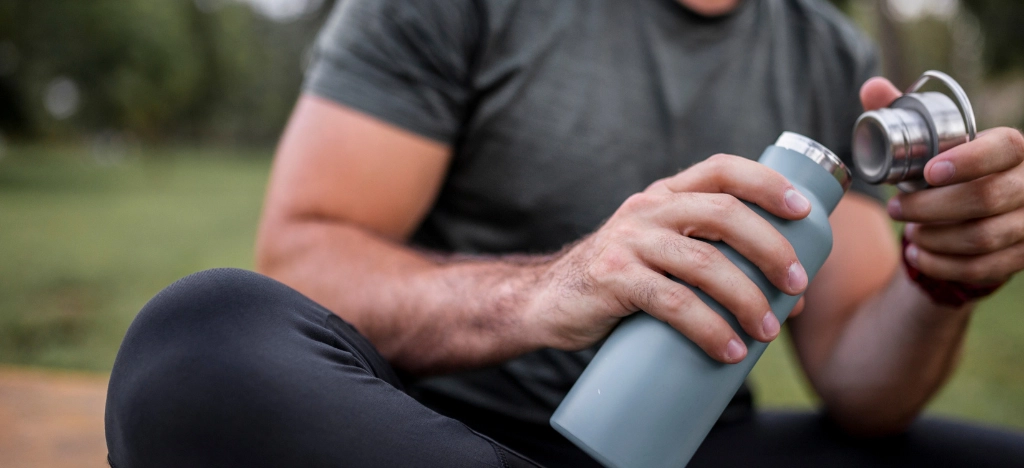
A man holding travel water bottle

Traveling with a reusable water bottle is easy once you know the rules. The confusing part is that airport security is changing, and newer CT scanners mean the process is not exactly the same everywhere.

The simplest approach? Check the rules for the airport you are flying from, and when in doubt, arrive at security with your bottle empty.

Can You Take a Water Bottle Through TSA?

Yes. TSA allows empty reusable water bottles in both carry-on and checked bags. If your bottle contains water or another drink, the standard U.S. carry-on limit is 3.4 oz (100 ml) per container.

For most travelers, it is easier to carry the bottle empty through security and refill it at a water station once you are inside the terminal.

Expert Tip: Keep your empty bottle near the top or outside of your carry-on. You can grab it quickly at security and refill it without digging through your bag later.

Can You Take Frozen Water Through TSA?

There is one useful exception. TSA allows frozen liquids through security when they are completely frozen solid at the time of screening. If they start melting or become slushy, the usual liquid restrictions can apply.

Expert Tip: Only freeze your bottle if the manufacturer says it is freezer-safe. Otherwise, take it through empty and add cold water or ice after security.

Do CT Scanners Change the Liquid Rules?

New CT scanners can make security quicker because liquids and electronics may stay inside your bag. But this does not mean every airport now allows a full reusable water bottle through security.

Heathrow, for example, currently allows liquids in containers of up to 2 litres, but metal and insulated refillable bottles still need to be emptied before screening.

Amsterdam Schiphol also uses CT scanners, yet it still recommends containers of no more than 100 ml in hand luggage and asks travelers to empty drinking bottles before security.

Across the EU, the general rule still limits hand-luggage liquids to containers of 100 ml or less, unless an airport publishes different procedures.

Expert Tip: Check the official website of your departure airport before an international flight. Do not assume newer scanners automatically mean you can carry a full bottle.

Make Airport Security Easier

A little preparation can save you time at the checkpoint:

  • Empty your bottle before security unless your airport clearly says otherwise.
  • Keep it somewhere easy to reach in your carry-on.
  • Follow the instructions at your security lane, as procedures can vary.
  • Refill your bottle after security.
  • Check local airport rules before international trips.

If you carry a lightweight bottle, a small carabiner can also save space. Clip it to your backpack so it stays easy to reach without taking up room inside your bag.

When in doubt, take your bottle through security empty and refill it afterward. It is the simplest way to avoid delays.

Key Features to Consider When Choosing a Travel Water Bottle

A good travel bottle should fit the way you travel, not just look good online. Think about how much space you have, how long you need water to stay cold, and whether the bottle will spend most of the day in your hand, cup holder, or backpack.

Here are the features that matter most before you choose.

1. Material: Stainless Steel, Tritan, or Collapsible

 Bottle material affects weight, insulation, durability, and how easy it is to carry throughout the day.

  • Stainless steel: Strong, durable, and best for keeping drinks hot or cold. The downside is extra weight.
  • Tritan plastic: Lightweight, affordable, and practical when pack weight matters more than insulation.
  • Collapsible bottles: Ultralight and easy to pack because they fold down when empty, but they offer little or no insulation.

Still deciding between materials? my stainless steel vs plastic water bottles guide explains the differences in weight, insulation, durability, and everyday use.

Travel Tip: Choose stainless steel if keeping drinks cold or hot for longer matters most. For backpacking or carry-on travel, Tritan or collapsible bottles are usually easier to pack.

2. Insulation for Long Travel Days

Insulation matters when you are spending hours on flights, trains, road trips, or outside in hot weather. Vacuum-insulated stainless steel bottles are designed to keep drinks cold or hot for much longer than single-wall bottles.

If you only need water for a short trip, extra insulation may not be worth the added weight. For long travel days, however, it can make a noticeable difference.

Travel Tip: If you expect long flights, road trips, or hot weather, choose vacuum insulation. For short trips, a lighter non-insulated bottle may be more practical.

3. Lid Style and Leak Protection

The lid can completely change how convenient a bottle feels while traveling. Straw lids are easy for quick sipping, chug caps offer faster flow, while screw tops are simple and secure.

For a bottle going inside your backpack, leak protection should come first. Always check whether the exact bottle and lid combination is described as leak-proof when closed.

Travel Tip: Straw lids are convenient for quick sipping while walking or driving, but a secure locking or screw-top lid can give you more confidence when the bottle is packed inside your bag.

4. Weight and Packability

A few extra ounces may not seem important at home, but you notice them after carrying a backpack through airports or train stations all day.

Lightweight Tritan and collapsible bottles work well when pack weight matters most. Insulated stainless steel bottles are heavier, but they give you better temperature control.

Also check the bottle width. A great bottle becomes less useful if it does not fit your backpack pocket or car cup holder.

Travel Tip: Check both the empty weight and bottle width before buying. A lighter bottle that fits your backpack pocket can make travel much easier.

5. Choose a Practical Capacity

A bigger bottle means fewer refills, but it also takes up more space and becomes heavier when full.

A simple guide:

  • 16 to 18 oz: Short trips and light packing
  • 24 to 26 oz: A practical size for everyday travel
  • 32 oz or more: Long days, hiking, or fewer refill opportunities

For many travelers, a bottle around 24 oz gives a useful balance between capacity and packability.

Travel Tip: Think about where you will carry your bottle before choosing the largest size. A smaller bottle that fits your backpack pocket can be more practical than a larger one you have to carry separately.

6. Durability and Long-Term Value

Travel bottles get dropped, knocked against seats, and squeezed into full bags. Strong construction, a secure lid, and durable materials matter if you want the bottle to last beyond one trip.

Also look at replacement lids, straws, filters, or other parts. Being able to replace one worn component instead of the whole bottle can make a product better value over time.

Travel Tip: Look for strong construction and replaceable lids, straws, or filters. Being able to replace one worn part can help your bottle last much longer

7. Make Sure It Is Easy to Clean

Cleaning can become a real hassle when you are staying in hotels, hostels, or moving between destinations.

Wide-mouth bottles are usually easier to scrub and make adding ice simple. Straw lids need more attention because the straw, mouthpiece, and seals can collect residue if they are not cleaned properly.

Travel Tip: Pack a small bottle brush or a few cleaning tablets for longer trips. They take very little space and make it much easier to keep your bottle fresh while staying in hotels or hostels

8. Consider Filtration for International or Outdoor Travel

A filtered bottle can be useful when you are traveling somewhere with uncertain water quality or spending time outdoors.

Filters such as those used in LifeStraw bottles can target contaminants including bacteria, parasites, and microplastics. But filtration systems are different, so always check exactly what a filter removes before depending on it.

Travel Tip: Choose a filter based on the water risks at your destination. Check exactly what contaminants it removes instead of relying only on a bottle being labeled as “filtered.”

Travel Water Bottle Checklist: What Really Matters

Not sure which bottle fits your travel style? This quick comparison brings the 7 best travel water bottles of 2026 side by side, so you can compare the important details without jumping between reviews.

Check the material, weight, capacity, insulation, leak protection, price, and best use case below. It should make it easier to narrow down the right bottle before reading the full reviews.

Specifications come from official manufacturer sources, verified retailers, and product documentation. I do not personally test these bottles; recommendations are based on research and verified customer review patterns. Details may vary slightly by size, lid style, or model.

Bottle Name Material Weight Capacity Insulation Leak-Proof Price Range Best For
Owala FreeSip Sway 30 oz Stainless Steel ≈1.15 lb
(0.52 kg)
30 oz
(887 mL)
Yes
Triple-Layer
Yes
Locking Lid
$34.99–$39.99 Best overall, flights, commuting & everyday travel
Nalgene Wide Mouth 32 oz Tritan Renew 6.25 oz
(177 g)
32 oz
(946 mL)
No Yes $16.99 Lightweight travel, budget & easy cleaning
Hydro Flask 24 oz Lightweight Flex Straw Stainless Steel 0.75 lb
(340 g)
24 oz
(710 mL)
Yes
TempShield®
Yes
When Closed
$44.95 Lightweight insulated travel & long days
YETI Rambler 26 oz Bottle 18/8 Stainless Steel 1.40 lb
(635 g)
26 oz
(769 mL)
Yes
Double-Wall Vacuum
100%
With Chug Cap
$45.00 Durability, hiking, camping & rough travel
LifeStraw Go Series Stainless Steel 18 oz Stainless Steel 16 oz
(450 g)
18 oz
(530 mL)
Yes
Double-Wall
Yes $49.95 International travel & filtered drinking water
LifeStraw Peak Series Collapsible 1L BPA-Free Flexible Bottle 3.2 oz
(102 g)
1 L
(33.8 oz)
No Ultra
Leak-Proof
$43.95 Backpacking, hiking, filtration & saving pack space
Chilly’s Series 3 Flip 500 mL 90% Recycled Stainless Steel 10.6 oz
(301 g)
500 mL
(16.9 oz)
Yes
Up to 45h Cold
100% £40 Long cold retention, city travel & daily carry

Top Pick

Owala FreeSip Sway

Owala FreeSip Sway stands out as one of the most practical everyday water bottles thanks to its leak-proof design, reliable cold retention, and cup-holder-friendly shape.

If you want a dependable bottle for commuting, workouts, or travel, Owala FreeSip Sway offers excellent everyday value.

This article may contain affiliate links. As an Amazon Associate, I earn from qualifying purchases at no extra cost to you.

Top 7 Water Bottles for Travel: In-Depth Reviews

Each bottle suits a different travel need, from lightweight packing and filtration to insulation and everyday carry.

  1. Owala FreeSip Sway 30 oz – Best for everyday travelers who want a leak-proof, insulated, cup-holder-friendly bottle.
  2. Nalgene Wide Mouth 32 oz – Best for backpackers and budget travelers who want a lightweight, durable bottle.
  3. Hydro Flask 24 oz Lightweight Flex Straw – Best for travelers who want insulation and easy straw drinking without too much weight.
  4. YETI Rambler 26 oz Bottle with Chug Cap – Best for rugged travel where durability and cold retention matter most.
  5. LifeStraw Go Series Stainless Steel 18 oz – Best for international travel where built-in filtration is useful.
  6. LifeStraw Peak Series Collapsible 1L – Best for backpacking where low weight, filtration, and packability matter.
  7. Chilly’s Series 3 Flip 500 mL – Best for commuting and city travel where compact size and long cold retention matter.
Owala FreeSip Sway 30 oz
Nalgene Wide Mouth 32 oz
Hydro Flask 24 oz Lightweight Flex Straw
YETI Rambler 26 oz
LifeStraw Go Stainless Steel 18 oz
LifeStraw Peak Collapsible 1L
Chilly’s Series 3 Flip 500 mL
Owala FreeSip Sway 30 oz
Nalgene Wide Mouth 16oz
Hydro Flask 24
Yeti Rambler 26 oz Bottle with Chug Cap
White Hydro Flask Wide Mouth insulated water bottle with black lid and carry handle
LifeStraw Peak Series Collapsible 1L
Chilly’s Series 3 Flip 500 mL

Capacity

30 oz (887 mL)

32 oz (946 mL)

24 oz (710 mL)

26 oz (769 mL)

18 oz (530 mL)

1L (33.8 oz)

500 mL (16.9 oz)

Best For

Overall Travel

Lightweight & Budget

Lightweight Insulated Travel

Rugged Outdoor Travel

International Travel

Backpacking & Hiking

City Travel & Commuting

Portability

Easy

very Easy

Easy

Medium

Very Easy

Excellent

Very Easy

Rating

⭐ 4.8/5

⭐ 4.7/5

⭐ 4.6/5

⭐ 4.6/5

⭐ 4.5/5

⭐ 4.3/5

⭐ 4.2/5

Buy Now

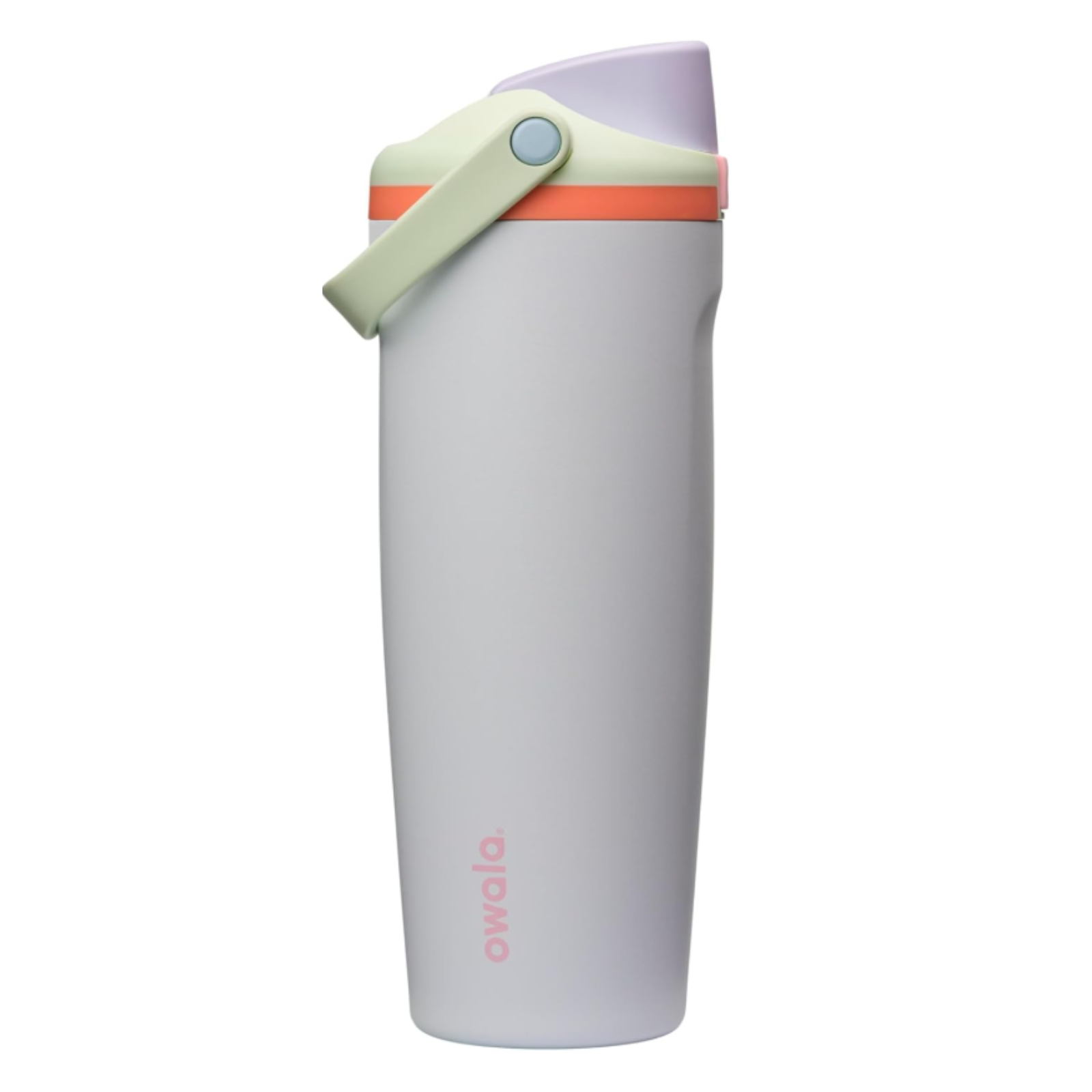
1. Owala FreeSip Sway 30 oz

Owala FreeSip Sway 30 oz

The Owala FreeSip Sway 30 oz is a versatile travel bottle with strong cold retention, a secure locking lid, and two drinking options. Its carry handle and practical size make it a strong choice for flights, commuting, road trips, and everyday use.

PROS

  • Leak-proof locking lid

  • Built-in straw and wider drinking opening

  • Keeps water cold for hours

  • Comfortable top carry handle

  • Fits standard car cup holders

  • Strong stainless steel construction

CONS

  • Sip area needs extra cleaning

  • More lid parts than a basic bottle

  • Heavier than lightweight plastic bottles

  • No built-in filtration

Best For: Flights, commuting, road trips, work, and everyday travel.

Avoid If: You want an ultralight bottle, a very simple lid, or built-in filtration.

Why I Picked It

I picked the Owala FreeSip Sway 30 oz as the best overall because it balances the features most travelers are likely to use.

The FreeSip design gives you two ways to drink, while the handle and locking lid make it practical for carrying between airports, cars, hotels, and daily commutes.

The 30 oz capacity also gives you plenty of water without moving into an oversized bottle.

If you’re choosing between Owala designs, my Owala FreeSip vs Sway comparison explains the differences in lid design, cleaning, carrying comfort, and everyday use.

Owala Sway insulated water bottle with flip lid

Travel Tip

Lock the lid before placing the bottle next to electronics, documents, or clean clothes.

The lid has more moving parts than a simple screw top, so give the straw, seal, and sipping area a proper wash rather than only rinsing the bottle.

What Users Say

The strongest pattern in the Amazon feedback is convenience. Buyers like being able to sip through the built-in straw or use the larger opening when they want a faster drink.

Cold retention also receives consistent praise. Buyers mention water staying cold for hours, including during warm weather and outdoor use.

The large handle, locking mechanism, and cup-holder fit also come up as useful features for everyday carrying and travel.

Drawbacks

Cleaning is the main compromise.

One verified buyer specifically mentioned that the sipping area needs more attention to clean properly. The more complex lid simply creates more small areas to wash than a basic screw-top bottle.

The stainless steel construction also makes it heavier than a simple plastic bottle such as the Nalgene.

Final Verdict

Choose the Owala FreeSip Sway 30 oz if you want one versatile bottle for flights, road trips, work, and everyday travel.

Its biggest strengths are leak protection, cold retention, carrying comfort, and flexible drinking options. The main trade-off is extra lid cleaning.

2. Nalgene Wide Mouth 32 oz

Nalgene Sustain Wide Mouth 32oz

The Nalgene Wide Mouth 32 oz is a lightweight and simple bottle made for travelers who want plenty of water without extra bulk. Its wide opening, durable body, and easy-clean design make it especially useful for hiking, backpacking, and budget travel.

PROS

  • Very lightweight

  • Leak-proof screw-top cap

  • Strong and durable body

  • Wide opening for ice and filling

  • Simple to clean

  • Easy to clip or carry

CONS

  • No insulation

  • Wide mouth can splash while drinking

  • Too wide for some cup holders

  • Can feel bulky in smaller backpack pockets

  • May develop odor if stored damp

Best For: Backpacking, hiking, camping, budget travel, and everyday use.

Avoid If: You want cold water for hours, a narrow drinking opening, or guaranteed cup-holder fit.

Why I Picked It

I picked the Nalgene Wide Mouth 32 oz because it keeps everything simple.

There is no straw mechanism, insulation layer, or complex lid. That means less weight, easier cleaning, and fewer parts to maintain.

The 32 oz capacity is also useful for longer walks and travel days when refill points are limited.

Not sure whether 32 oz is the right size? my Nalgene size comparison compares the main sizes by weight, portability, mouth style, and best use.

Best Nalgene Size for Different Uses

Travel Tip

The wide mouth makes adding ice and cleaning easy, but water can come out quickly when you drink while walking.

A compatible splash guard can make the flow easier to control.

What Users Say

Durability is the clearest strength in the reviews. Buyers describe dropping their Nalgene on asphalt, rocks, and during outdoor trips while the bottle continued working despite scratches and marks.

Users also like the low weight and simple construction. One owner preferred it to stainless steel bottles for sports because it felt lighter and less bulky.

The wide opening gets strong feedback for both hand washing and adding ice.

Drawbacks

The wide mouth is also its biggest usability weakness.

A verified reviewer found it awkward to drink from while walking or cycling because the water flow is harder to control.

The 32 oz body may also be too large for some cup holders and smaller bag pockets.

Verdict

Choose the Nalgene Wide Mouth 32 oz if your priorities are low weight, durability, easy cleaning, and value.

The main compromises are no insulation and a drinking opening that can feel too wide while moving.

3. Hydro Flask 24 oz Lightweight Flex Straw

Hydro Flask 24 oz Lightweight Flex Straw

The Hydro Flask 24 oz Lightweight Flex Straw combines insulation with a lighter, more travel-friendly size. Its straw lid, comfortable handle, and strong cold retention make it a practical option for flights, work, commuting, and daily travel.

PROS

  • Keeps water cold for hours

  • Feels lighter than many similar bottles

  • Convenient straw lid

  • Comfortable carry handle

  • Durable stainless steel body

  • Useful 24 oz capacity

  • Good for work and travel

CONS

  • Small lid crevices can collect moisture

  • Straw lid needs extra cleaning

  • Requires more maintenance than a screw cap

  • Stainless steel can dent

  • Not ideal for people who dislike straws

Best For: Flights, commuting, work, city travel, and long travel days.

Avoid If: You want the simplest possible lid, a larger capacity, or an ultralight plastic bottle.

Why I Picked It

I picked the Hydro Flask 24 oz Lightweight Flex Straw because it offers a useful balance between insulation and portability.

The 24 oz size is large enough for everyday travel without taking over your bag.

The straw is also convenient when you are driving, working, or sitting on a flight where tipping a full bottle can be awkward.

If you’re unsure whether 24 oz is enough, see my Hydro Flask size guide to compare the available capacities for travel, commuting, and everyday use.

Hydro Flask 24 oz Lightweight Flex Straw

Travel Tip

Pay extra attention to the straw and joint area when washing the lid.

One verified 24 oz buyer specifically mentioned needing several small brushes to properly clean the crevices around the top.

What Users Say

Cold retention is one of the strongest themes.

Buyers repeatedly mention that water and ice stay cold for long periods, including during hot weather.

A verified 24 oz owner also said the bottle felt lighter than other similar-sized bottles and liked the size for keeping at work.

The straw design and handle also receive positive feedback for convenience.

Drawbacks

Cleaning the lid is the main criticism.

One verified 24 oz buyer explained that small areas around the straw mechanism need regular attention because moisture can collect there.

Like most stainless steel bottles, it can also dent if dropped hard.

Verdict

Choose the Hydro Flask 24 oz Lightweight Flex Straw if you want cold water, convenient straw drinking, and a manageable travel size.

Its biggest trade-off is the extra cleaning required by the lid.

4. YETI Rambler 26 oz Bottle with Chug Cap

4. YETI Rambler 26 oz Bottle with Chug Cap

The YETI Rambler 26 oz Bottle with Chug Cap is built for travelers who value durability and cold retention over low weight. Its sturdy stainless steel body and easy-drinking Chug Cap make it well suited to camping, hiking, road trips, and outdoor travel.

PROS

  • Keeps drinks cold for hours

  • Strong stainless steel construction

  • Easy-to-use Chug Cap

  • Clear measurement markings

  • Easy to clean with a brush

  • Useful 32oz capacity

  • Good for outdoor travel

CONS

  • Heavier than most bottles here

  • Does not fit many standard cup holders

  • More expensive than basic bottles

  • Mixed customer feedback on leaks

  • Not ideal for ultralight travel

Best For:Camping, hiking, road trips, outdoor work, and rugged travel.

Avoid If: You care strongly about low weight or need reliable standard cup-holder fit.

Why I Picked It

I picked the YETI Rambler 26 oz because it is the bottle in this guide that makes the most sense when rugged construction is the priority.

The Chug Cap gives you a smaller drinking opening, while removing the full cap makes adding ice and cleaning easier.

The 26 oz capacity also sits between smaller commuter bottles and oversized outdoor bottles.

Yeti Rambler 26 oz Bottle with Chug Cap

Travel Tip

Check your car cup holder before buying.

Multiple verified buyers specifically mention that the 26 oz Rambler does not fit many standard cup holders.

What Users Say

Cold retention receives some of the strongest praise.

One buyer reported still having ice left at the end of the day, while another said ice remained after a full summer golf game in Florida.

Buyers also describe the bottle as sturdy and well built, and many like the Chug Cap for faster, controlled drinking.

Drawbacks

Weight and width are the biggest travel compromises.

A verified buyer specifically said they were willing to accept the extra weight because capacity and cold retention mattered more to them.

Amazon’s review summary also shows mixed experiences with leakage and durability, so those complaints should not be ignored.

If you’re wondering whether the heavier build and premium price are worth it, read my guide on why YETI is so popular.

Verdict

Choose the YETI Rambler 26 oz if you want a sturdy insulated bottle for rough travel and outdoor use.


Its strengths are cold retention, construction, and Chug Cap convenience. Its biggest drawbacks are weight and cup-holder fit.

5. LifeStraw Go Series Stainless Steel 18 oz

LifeStraw Go Series Stainless Steel 18 oz

The LifeStraw Go Series Stainless Steel 18 oz combines an insulated bottle with built-in filtration for travelers who want more flexibility when refilling away from home. Its compact size makes it especially useful for international travel, camping, and everyday trips.

PROS

  • Built-in filtration

  • Helps improve water taste

  • Insulated stainless steel body

  • Useful for international travel

  • Good for camping

  • Portable 18 oz size

CONS

  • Smaller capacity

  • Filter creates drinking resistance

  • Requires replacement filters

  • Lid loop may wear over time

  • More maintenance than a normal bottle

Best For: International travel, camping, flights, and trips where filtration is useful.

Avoid If: You want the lightest bottle, a large capacity, or almost no maintenance.

Why I Picked It

I picked the LifeStraw Go 18 oz because filtration gives it a clearly different role from the standard insulated bottles in this guide.

Instead of only carrying water, you can refill and run it through the built-in filter.

That can be useful when traveling through places where the specific contaminants addressed by the filter are a concern.

Untitled design 2026 08 15T112823.359

Travel Tip

Use the bottle before leaving home so you get used to drinking through the filter.

Several buyers mention that more suction is needed than with a normal straw, especially at first.

What Users Say

Filtration and taste improvement are the strongest themes.

Buyers mention improvements in chlorine, metallic, and pipe-related tastes.

Travel usefulness also appears repeatedly. An exact 18 oz buyer used the bottle during a long journey through Asia and liked the filtration performance.

Weight receives mixed feedback. Some buyers find it easy to carry, while others notice the extra weight of the stainless steel construction.

Drawbacks

The filter creates more resistance than drinking from a normal straw.

You also need to clean and maintain the system and replace filters over time.

One verified 18 oz buyer liked the filtration but said the protective lid did not stay secure while the bottle was carried in a backpack holder.

Verdict

Choose the LifeStraw Go Series Stainless Steel 18 oz if filtration is an important part of your travel setup.

Its strengths are filtration, improved taste, portability, and insulation. Its trade-offs are capacity, drinking resistance, and maintenance.

6. LifeStraw Peak Series Collapsible 1L

LifeStraw Peak Series Collapsible 1L

The LifeStraw Peak Series Collapsible 1L is a lightweight filtered bottle designed for travelers who want to save space and pack weight. It holds a full litre when needed and collapses down when empty, making it a strong option for backpacking, hiking, and camping.

PROS

  • Lightweight

  • Collapses when empty

  • Useful 1L capacity

  • Built-in filtration

  • Good for hiking and backpacking

  • Can squeeze water into another container

  • Saves pack space

CONS

  • No insulation

  • Leakage feedback is mixed

  • Not insulated

  • Durability feedback is mixed

  • Filter needs maintenance

Best For: Backpacking, hiking, camping, ultralight travel, and carry-on packing.

Avoid If: You want insulation, a rigid bottle, or minimal filter maintenance.

Why I Picked It

I picked the LifeStraw Peak Series Collapsible 1L because it solves a very specific travel problem: carrying useful water capacity without permanently taking up the same space.

When full, it carries 1 litre.

Once empty, it can be packed down much smaller than a rigid bottle.

LifeStraw Peak Series Collapsible 1L

Travel Tip

Prepare and rinse the filter before leaving home.

Several buyers mention that correct cleaning and backwashing are important for maintaining flow and reducing initial taste.

What Users Say

Portability is the strongest positive.

Buyers like the low weight, collapsible body, and 1L capacity for backpacking and travel.

Some also like being able to squeeze filtered water directly into another bottle, cup, or container.

Filtration receives plenty of positive feedback, but not everyone reports the same experience.

Drawbacks

The main concern is consistency.

Some owners report no leaks, while others describe holes, cracks, or bottom leakage. One verified 1L buyer reported a leak developing after only a day of use.

Taste is another recurring complaint, particularly when the bottle is new or water sits inside it for a long time.

Verdict

Choose the LifeStraw Peak Series Collapsible 1L if packability, filtration, low weight, and capacity matter more than insulation.

It is a clever backpacking option, but the mixed leakage and taste feedback are worth considering.

7. Chilly’s Series 3 Flip 500 mL

Chilly’s Series 3 Flip 500 mL

The Chilly’s Series 3 Flip 500 mL is a compact insulated bottle made for travelers who want long cold retention in a smaller size. Its Flip Lid, hidden straw, and carry loop make it convenient for commuting, flights, work trips, and city travel.

PROS

  • Keeps drinks cold for up to 45 hours

  • Leak-proof Flip Lid

  • Compact 500 mL size

  • Hidden stainless steel straw

  • Soft carry loop

  • 90% recycled stainless steel body

CONS

  • Smaller capacity than most bottles here

  • Needs more frequent refilling

  • Not dishwasher safe

  • Not freezer safe

  • Straw and lid need regular cleaning

Best For: Flights, commuting, work trips, city travel, and people who prioritize cold retention.

Avoid If: You need a larger capacity, want dishwasher cleaning, or prefer a simple chug cap.

Why I Picked It

I picked the Chilly’s Series 3 Flip 500 mL because it combines a compact shape with unusually long cold retention.

It is a better fit for someone who would rather carry a smaller bottle and refill it than walk around with a large 30 or 32 oz steel bottle.

The Flip Lid and carry loop also make it practical for commuting and everyday city travel.

Chilly’s Series 3 Flip 500 mL

Travel Tip

Clean the straw and Flip Lid regularly.

The bottle should be hand washed rather than put in a dishwasher, and it should not be placed in a freezer.

Use the included cleaning brush to reach the smaller straw parts

What Users Say

For the exact Series 3 Flip 500 mL, I could not verify enough Amazon reviews without mixing them with Series 2 feedback.

I would not use those older reviews as if they belonged to this model.

For now, it is better to keep this section transparent and base the assessment on the exact Series 3 specifications rather than inventing customer feedback.

Drawbacks

Capacity is the biggest compromise.

At 500 mL, it will need more refilling than the Owala, Nalgene, Hydro Flask, YETI, or LifeStraw Peak.

The Flip Lid and straw also need more cleaning than a simple screw-top bottle.

Verdict

Choose the Chilly’s Series 3 Flip 500 mL if you want a compact insulated bottle with long cold retention, an easy drinking straw, and a carry-friendly design.

Its main trade-offs are smaller capacity and more lid maintenance.

Find Your Travel Water Bottle

Answer 3 quick questions to find your best match.

1 of 3

How do you usually travel?

What matters most to you?

Do you need water filtration?

Your Best Match

Choosing the Right Bottle for Your Travel Style

A person is holding a owala freesip bottle

Choosing the right travel bottle depends heavily on your travel style. Different travelers have different priorities, from weight and durability to insulation and ease of use. After thorough research and personal experience, I’ve explained everything below to help you find the best bottle for the way you travel.

1. Backpackers & Hikers

Backpackers and hikers require bottles that balance lightweight design with long-term durability. Carrying extra weight over long distances can cause fatigue, which makes weight a critical factor.

Filtration is a very important feature. Whenever I travel domestically, I often face the problem of clean water not being available. A bottle with built-in filtration can reduce dependence on bottled water and help ensure safe hydration.

2. Digital Nomads & City Travelers

For city travel, portability and convenience matter most. A good travel bottle should fit easily into car cup holders, I am a backpack person, so I also make sure the bottle fits into the side pocket of my backpack, so I do not have to carry it separately.

Sleek, spill-proof designs work best for offices, cafés, and public spaces, allowing the bottle to sit on desks or tables without drawing unwanted attention.

For people working remotely or managing busy schedules while traveling, smart bottles can help track water intake and send reminders throughout the day. Explore our guide to the best smart water bottles for better hydration control on the go.

3. Road Trips & Flights

Road trip and flight travelers should prioritize insulation performance to keep drinks hot or cold for extended periods.

Pressure-safe lids are especially important during flights, as cabin pressure changes can cause leaks.

For travelers who prefer hot drinks on the go, a well-insulated travel coffee mug can also make a big difference.

4. Family & Group Travel

Family and group travelers benefit from bottles that are highly durable and built to withstand frequent handling, drops, and daily use.

Using BPA-free and food-grade materials is especially important for families, as these materials prevent harmful chemical leaching and ensure safe daily use for all age groups.

Easy identification through different colors, labels, or name tags helps prevent mix-ups when multiple people use similar bottles, making organization smoother during busy trips.

Cost Per Use & Environmental Impacts

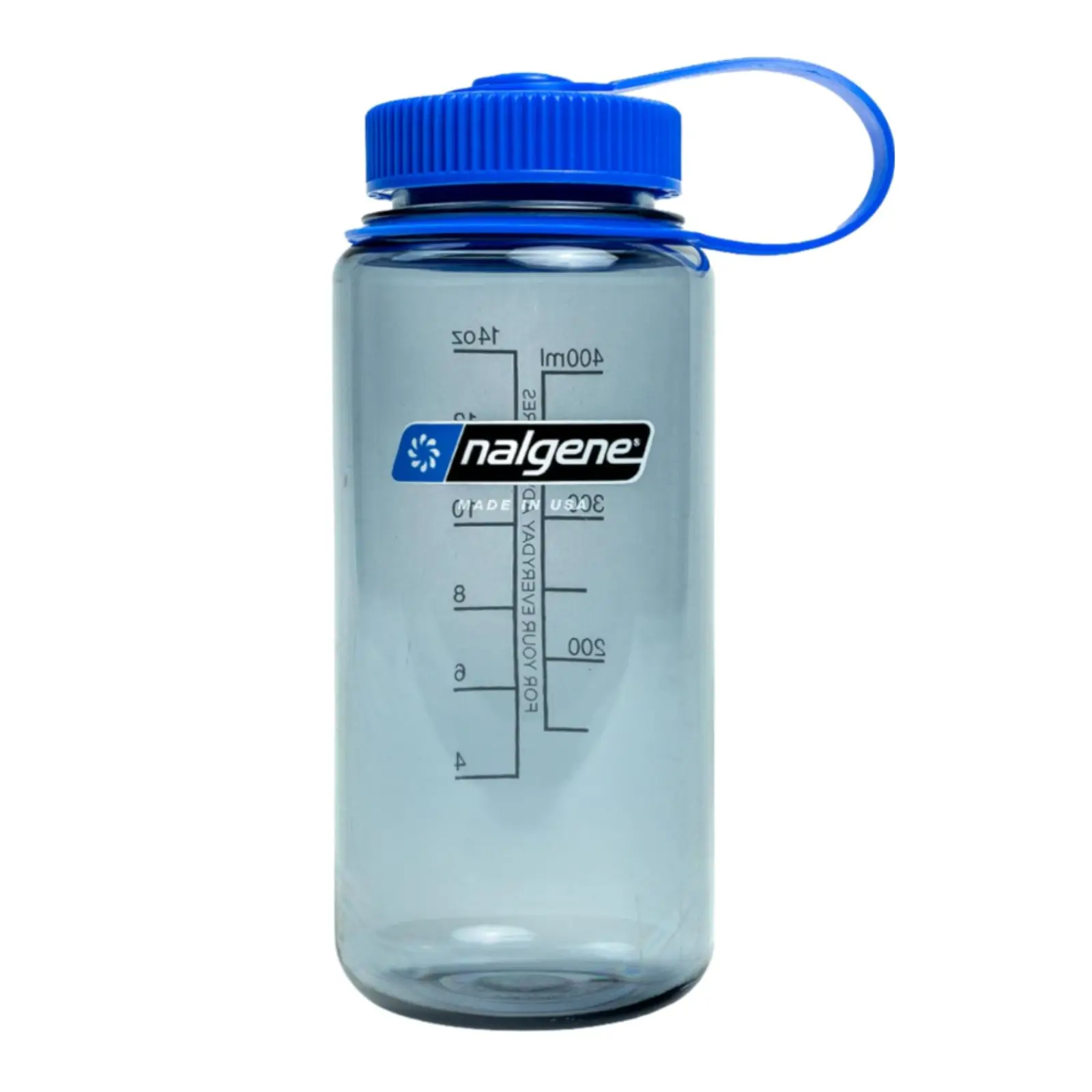
Nalgene Wide Mouth 16oz

When buying a travel water bottle, price is not the only thing that matters. What really matters is how often you use it and how long the bottle lasts. A bottle that costs a little more at the start can actually save you money over time.

Cost per Refill Over One Year

A reusable travel bottle may seem expensive at first, but its cost becomes very low when you use it regularly. I never recommend using plastic bottles for daily travel because buying them again and again slowly increases the total cost.

For frequent travelers, reusable bottles usually turn out to be the cheaper option in the long run.

If you want to know more about reusable water bottles, you can check my detailed guide on the best Reusable water bottles

Plastic Bottle Waste Comparison

Think about how many plastic bottles are used during travel in a single year. The number can easily reach into the hundreds.

Using one reusable bottle can replace most of these and help reduce plastic waste. It may feel like a small change, but it has a real impact on both daily travel habits and the environment.

Simple Sustainability Score

An easy way to compare travel bottles is to look at how long they last, how often they can be reused, and how much plastic waste they help reduce.

Bottles that last longer and replace more single-use plastic generally offer better long-term value and are the more sustainable choice.

A good travel bottle is not something meant for one trip only. It is designed to be used again and again, helping save money over time while also reducing unnecessary waste.

Travel Water Bottle Capacity Comparison

See how much water each bottle carries.

Chilly’s Series 3 Flip
16.9 oz
LifeStraw Go
18 oz
Hydro Flask Lightweight
24 oz
YETI Rambler
26 oz
Owala FreeSip Sway
30 oz
Nalgene Wide Mouth
32 oz
LifeStraw Peak 1L
33.8 oz
Quick Tip: Smaller bottles are easier to carry, while larger capacities mean fewer refills during long travel days.

How to Clean and Maintain Your Travel Water Bottle

A travel water bottle is easy to forget about until the water starts tasting strange or the lid begins to smell. A simple cleaning routine keeps the bottle fresher and also helps stop residue from building up around straws, seals, and hard-to-reach areas.

Wash It After Regular Use

Use warm water and mild dish soap whenever you can. A bottle brush works especially well for wide-mouth bottles because it can reach the bottom and sides without much effort.

Travel Tip: If you are choosing a bottle for frequent trips, a wide opening can make cleaning much easier in hotel sinks or shared kitchens.

Deep Clean When It Starts to Smell

If normal washing is not enough, denture-cleaning tablets are handy to pack because they take up almost no space. Add one to water, follow the tablet instructions, and rinse the bottle thoroughly afterward.

Baking soda mixed with water can also help with stubborn odors. Always check the bottle manufacturer’s cleaning instructions before using stronger cleaning methods.

Clean Straw Lids and Small Parts

Straws, seals, and lid pieces need a little more attention because moisture can stay trapped inside them. Take apart any removable parts, wash them in warm soapy water, and use a small straw brush for narrow sections.

This is especially useful for bottles with more detailed lids, such as Hydro Flask and Chilly’s.

Let It Dry Completely

Do not put the lid back on while the bottle is still damp. Leave the bottle, straw, seals, and lid open until everything is completely dry.

Travel Tip: In humid weather, wipe the inside with a clean cloth or paper towel before leaving it open to air-dry.

Take Extra Care With Filtered Bottles

Filtered bottles need more than normal washing. Follow the manufacturer’s instructions for rinsing, storing, and replacing the filter rather than treating it like a regular straw.

For the LifeStraw Go Series, the carbon filter lasts up to 26 gallons, while the membrane filter lasts up to 1,000 gallons. Replace filters when they reach their recommended life, or sooner if you notice changes in taste, smell, or water flow.

The easiest rule to remember is simple: wash it regularly, clean the small parts, let everything dry fully, and follow the maker’s care instructions for filters and special lids.

For a complete step-by-step routine, see our guide on how to clean a water bottle properly

FAQs About Travel Water Bottles

Are insulated bottles allowed on flights?

Yes, you can bring insulated bottles on flights, but they must be empty during the security check. Liquids over 100 ml are not allowed through security, so an empty bottle is fine. Once you pass the checkpoint, you can fill it at a water station or café. Airlines generally have no issue with the bottle itself, only with liquids before screening.

Do stainless steel bottles affect taste?

Good-quality stainless steel bottles usually do not affect the taste of water. Bottles made from food-grade stainless steel are designed to keep water tasting clean.

How often should bottle filters be replaced?

Filter replacement depends on how often the bottle is used and the type of filter. In general, most travel bottle filters need replacement every few months or after a certain number of refills.

Can travel bottles handle boiling water?

Not all bottles can handle boiling water. Many insulated stainless steel bottles are fine for hot drinks, but pouring boiling water directly into some bottles can damage seals or lids.

What is the best bottle size for carry-on travel?

For most travelers, a bottle between 16 oz and 32 oz works best.
This size is easy to carry, fits in most backpack side pockets and cup holders, and still holds enough water for long travel days. Bigger bottles are useful but can feel bulky during flights or city travel.

Conclusion: Finding Your Perfect Travel Bottle

Travel can be tiring, and staying hydrated shouldn’t be another thing to worry about. The right travel water bottle makes a real difference whether you’re catching flights, exploring new cities, or heading outdoors.

Each bottle in this guide is selected for a specific travel needs, from lightweight designs to long-lasting insulation and durability. Choose the one that matches your travel style, and you’ll stay refreshed wherever the journey takes you.

Zainab Khursheed!

Hey there, I’m Zainab. I created Water Bottles Experts to remove the guesswork from choosing the right water bottle for your lifestyle.

Every product featured here is evaluated with real-life use in mind, focusing on durability, insulation, and everyday convenience.

After learning, how consistent hydration impacts overall well-being, I now share practical guides, comparisons, and honest reviews to help you make informed, confident choices about water bottles that truly work for daily life.
Over the years, I’ve researched and compared dozens of water bottles, focusing on material safety, insulation performance, and long-term usability rather than short-term trends.

How I Chose These Bottles

This guide is based on a detailed comparison of manufacturer specifications, insulation ratings, material safety information, verified customer reviews, long-term user feedback, and expert discussions. Our goal is to present clear, practical, and unbiased information so readers can choose the right bottle for their daily needs.

I do not personally test every bottle featured on our site. Instead, I analyze repeated patterns from real-world user experiences, especially feedback related to hot climates, cold retention, leakage during travel, ease of cleaning, lid durability, comfort during carry, and overall value for money.

For insulation performance, I review manufacturer claims along with customer-reported ice retention and cold-water performance over daily use. Durability feedback is also cross-checked with long-term user reports to identify consistent issues and strengths rather than relying on isolated comments.

This helps me highlight bottles that perform well for real users while also pointing out common complaints, limitations, and best-use cases.

Related Posts

Leave A Comment