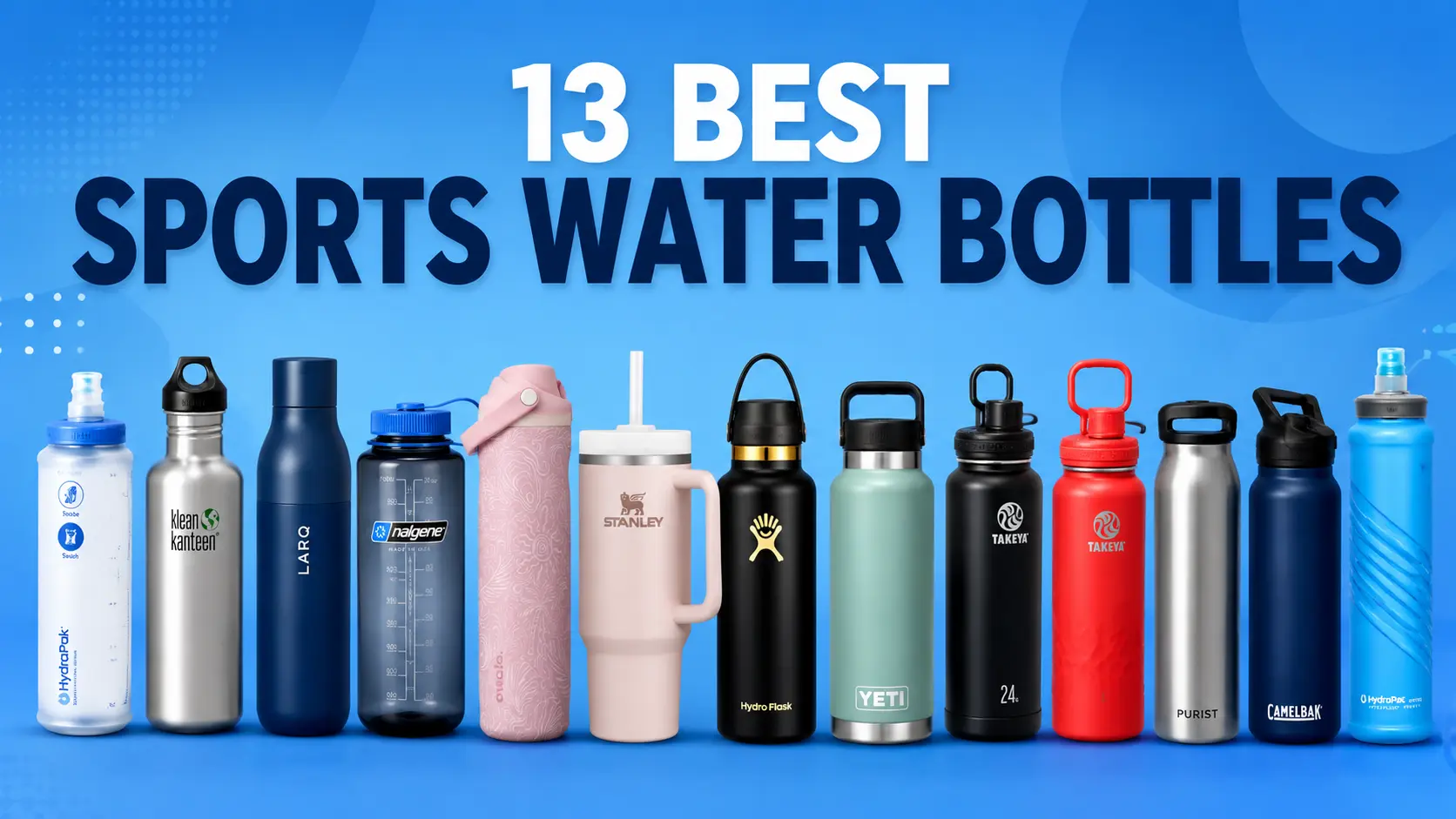
13 Best Sports Water Bottles of 2026: Top Picks for Running, Cycling, Gym & Hiking

Leave a comment  /  Blog  By Zainab.K  /  31 Aug 2026

Best Sports Water Bottles

CHAPTERS

Quick Answer Best Sports Water Bottles of 2026

The best sports water bottle depends on how you use it. There is no single winner for every athlete.

  1. Best Overall: Hydro Flask Wide Mouth with Flex Chug Lid | strong balance of insulation, durability, cleaning, and everyday usability.
  2. Best for Running: HydraPak UltraFlask Speed 500ml | lightweight and easy to drink from while moving.
  3. Best for Cycling: A cycling-specific bottle that fits your bike cage | fit matters more than insulation here.
  4. Best for Gym: Takeya Sport Insulated | good for longer sessions where cold water and easy drinking matter.
  5. Best for Hiking: Hydro Flask Wide Mouth 32 oz | useful combination of capacity, insulation, and durability.

Quick rule: Choose your sport first, then match the bottle’s lid, capacity, weight, and insulation to how you actually use it.

If your bottle has leaked in your gym bag, needed two hands to open during a run, or left you drinking warm water halfway through a workout, you already know the problem: the wrong bottle can make training harder.

The catch is that a good running bottle is not necessarily a good hiking bottle. Weight, lid style, capacity, insulation, and fit all matter differently depending on the sport.

In this guide, I compare the best sports water bottles of 2026 based on features that actually matter: leakproof design, one-hand operation, lid style, bottle size, durability, and insulation.

Whether you need quick hydration during workouts or a reliable bottle for outdoor adventures, this guide will help you find the right match for your lifestyle.

Quick Picks: Best Sports Water Bottles at a Glance

HydraPak
Katadyn BeFree
CamelBak Chute Mag
Purist Mover
Takeya Sport
Takeya Actives
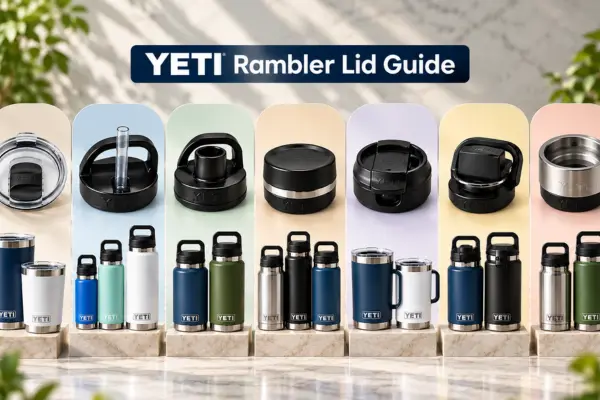
YETI Rambler
Hydro Flask Wide Mouth
Owala FreeSip Sway
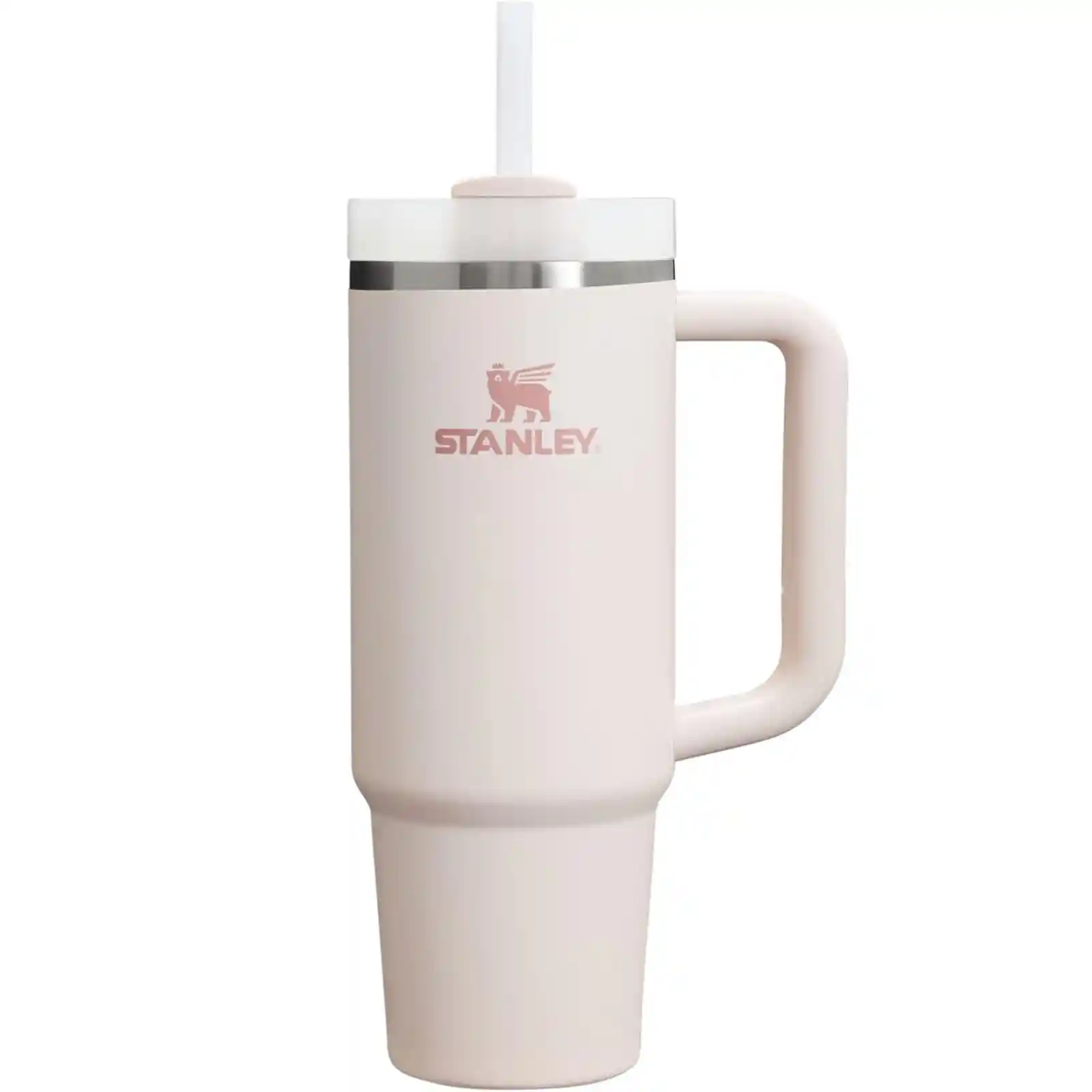
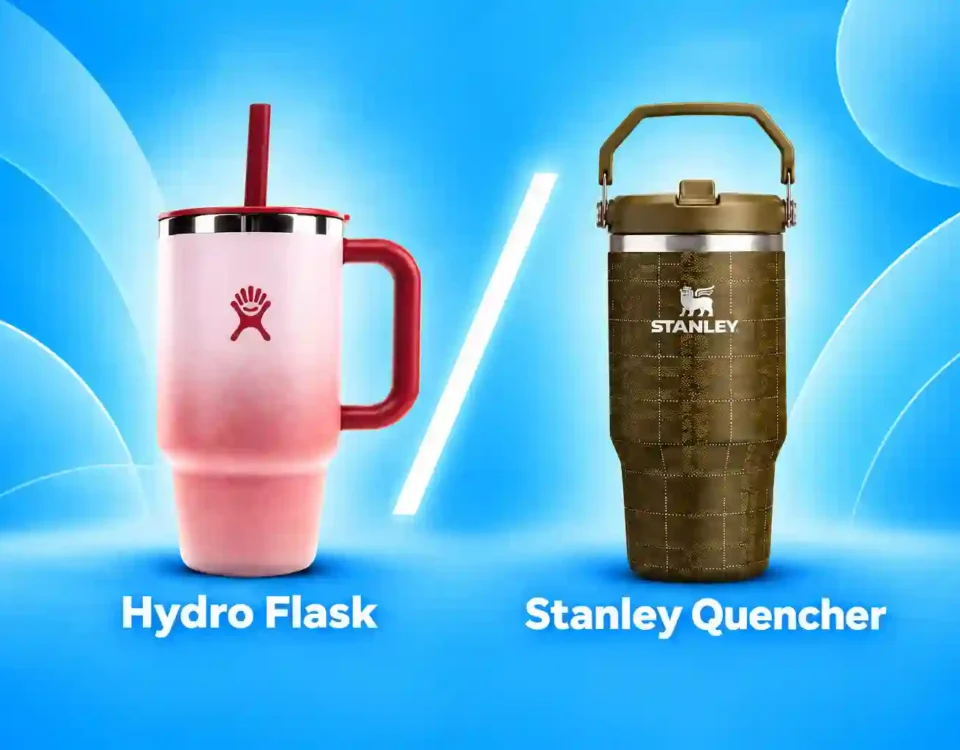
Stanley Quencher
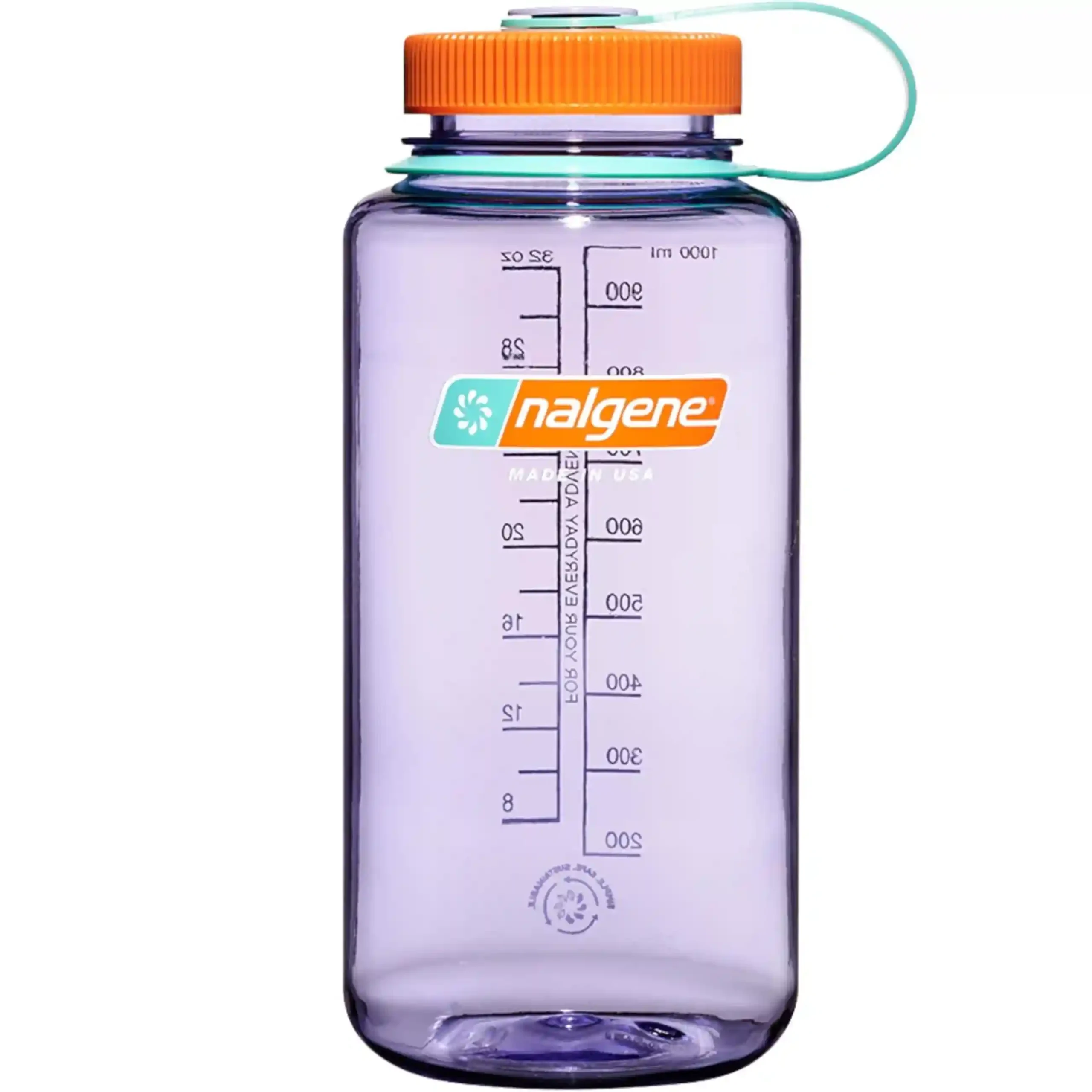
Nalgene Wide Mouth
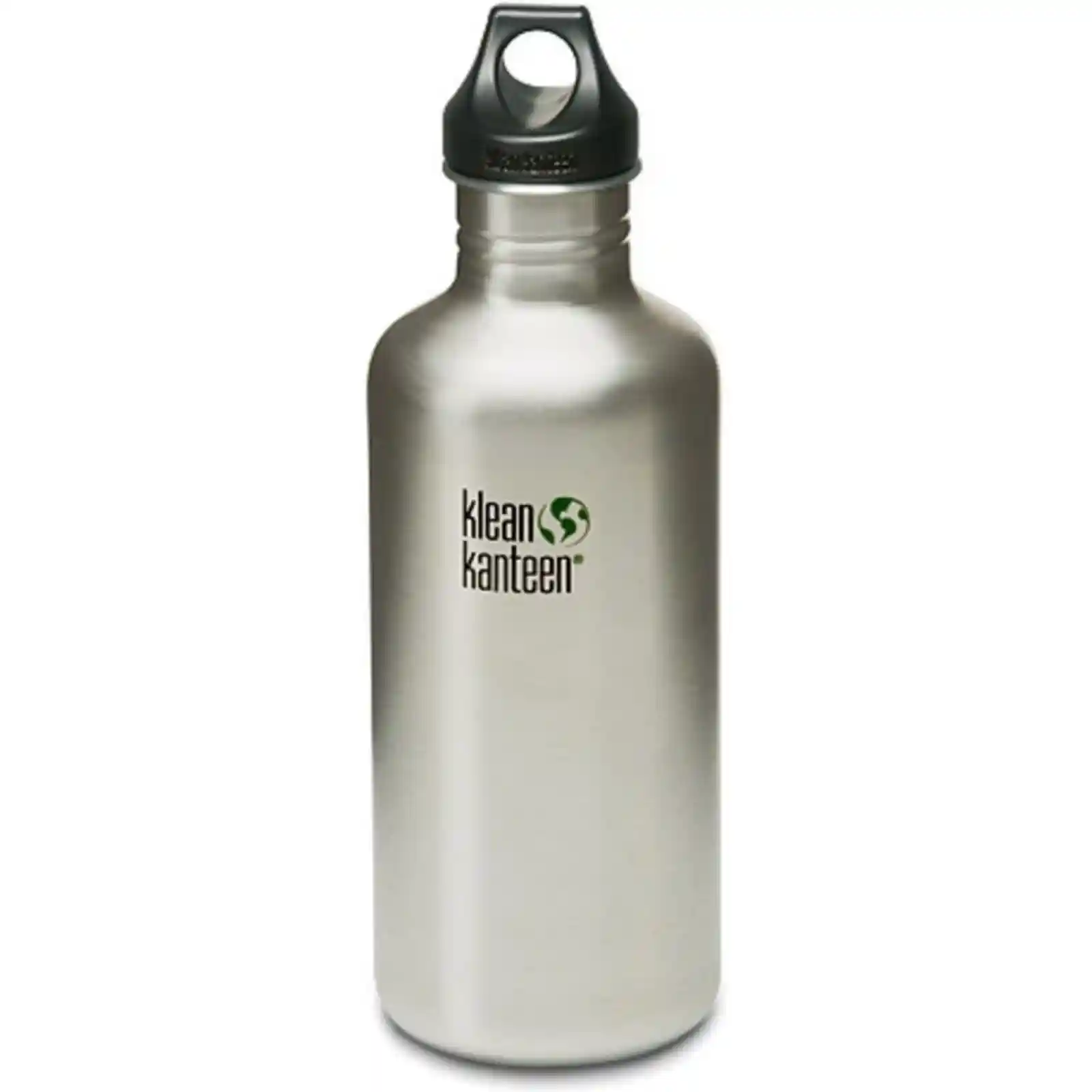
Klean Kanteen
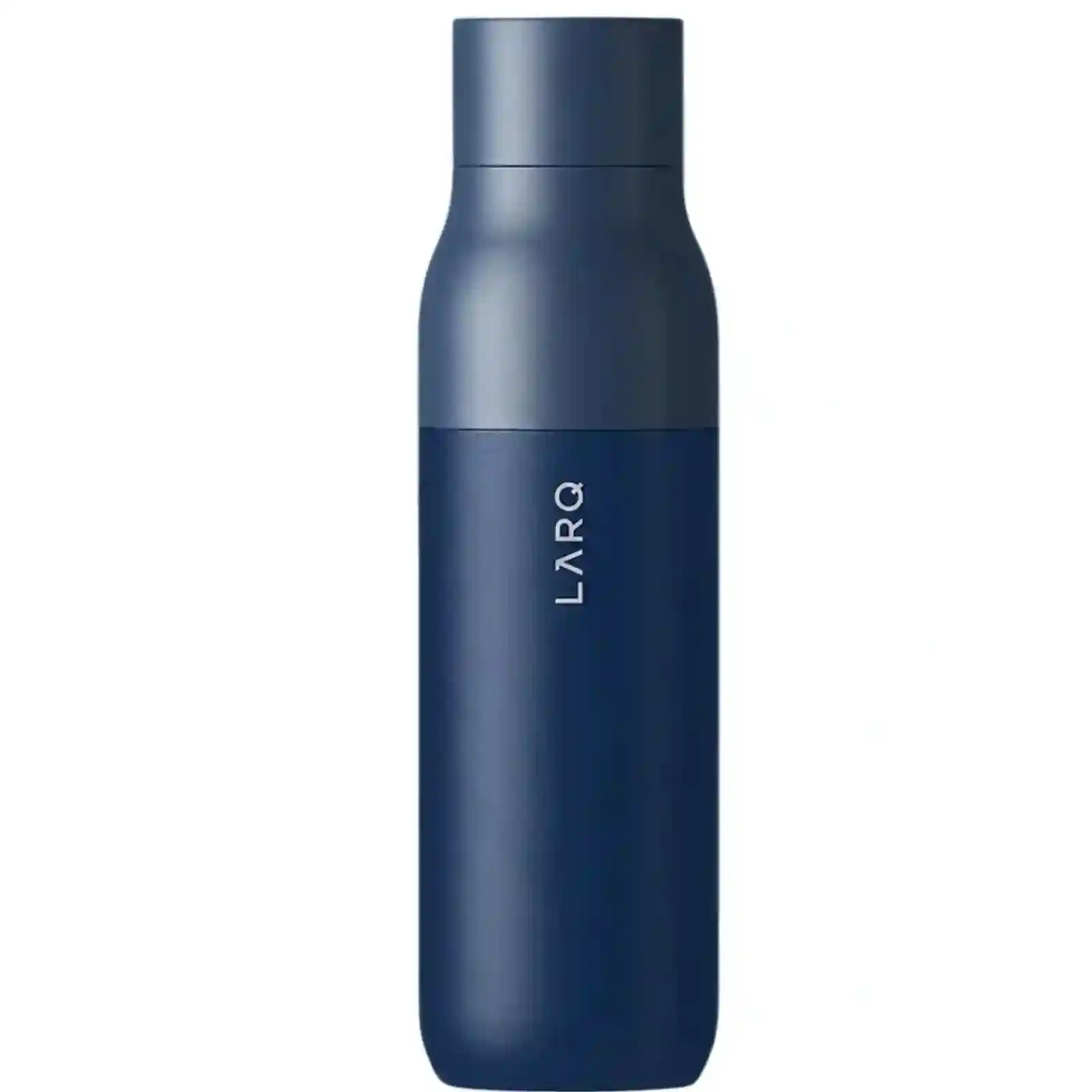
Larq Bottle PureVis
Owala FreeSip Sway 30 oz
Untitled design 43
CamelBak
Purist Mover
Takeya Sport
Takeya Actives
YETI Rambler
Hydro Flask Wide Mouth
Owala FreeSip Sway
Stanley Quencher
Nalgene Wide Mouth
Klean Kanteen
Larq Bottle PureVis

Don’t have time to compare every bottle? Here are the top picks based on different sports and everyday needs.

  1. Best overall: Hydro Flask Wide Mouth with Flex Chug Lid
  2. Best budget: Nalgene Wide-Mouth
  3. Best for running: HydraPak UltraFlask Speed 500ml
  4. Best for the gym: Takeya Sport Insulated with Ice Blocking Spout Lid
  5. Most durable: YETI Rambler 26 with Chug Cap
  6. Best smart option: LARQ with UV-C Self-Cleaning

Expert Tip: Match the lid to the activity. A flip spout or straw lid works well at the gym, a squeeze bottle or bite valve is usually easier while running, and a wide-mouth or chug lid is practical for hiking, commuting, and everyday use.

How to Use This Guide

Know your sport? Jump straight to running, cycling, gym, hiking, or team sports. Want to compare bottles first? Use the table above. Still unsure? This bottle finder tool and buying guide can help you narrow it down.

How I Reviewed These Sports Water Bottles

I do not claim to personally test every bottle in this guide. These picks are based on manufacturer specifications, owner feedback, and independent testing from trusted sources such as GearLab, Wirecutter, and REI.

I focused on the things that matter most during sports and daily use:

  1. Leak resistance: how well the lid stays sealed in bags and during movement
  2. Durability: material strength, drop performance, and long-term wear
  3. Insulation: how well insulated bottles maintain temperature over time
  4. Cleaning: how easy the bottle and lid are to wash, especially after electrolyte or protein drinks
  5. Ease of use: one-hand drinking and fit in common bike cages, treadmill holders, and car cupholders

I compare several sources rather than relying only on brand claims.

My core comparison: I look at weight, capacity, lid design, leak resistance, insulation, cleaning, durability, and activity fit. A bottle can have excellent specifications and still rank lower if it is awkward to carry or difficult to clean.

What I Looked For in a Winner

A good sports bottle should work well in the situation you bought it for, not just look impressive on a specification sheet.

I give more weight to activity fit, drinking ease, leak resistance, cleaning, and practical capacity than to features you may never use.

I also judge bottles by their intended use. A running flask should be light and easy to carry, while a hiking bottle may need more durability and insulation.

Even a bottle with excellent specs can rank lower if the lid is awkward to use every day.

Why You Can Trust This Guide

My recommendations are based on multiple research sources, product specifications, independent testing, and real-world owner feedback.

Some links may be affiliate links, which means I may earn a commission if you make a purchase, at no extra cost to you.

I also avoid absolute claims such as “the best bottle ever.” Different bottles suit different sports, needs, and preferences.

3 QUICK QUESTIONS

Find the Right Sports Water Bottle for You

Answer these questions of how you train, where you train, and your budget. This tool will find your best match.

Question 1 of 3 33%
Step 1
What do you mainly use your bottle for?
Step 2
What conditions do you usually train in?
Step 3
What is your bottle budget?
Please choose an option to continue.
YOUR BEST MATCH

Why it fits

What to look for:
Best Sports Water Bottles by Activity

The “best” sports water bottle changes with the activity. A runner needs something light, a cyclist needs the right bottle-cage fit, and a hiker may prefer durability and insulation over saving a few ounces.

Here are the top picks by sport, including the drawbacks you should know before buying.

Product Name Material Capacity Insulation Lid Type Dishwasher Safe Price
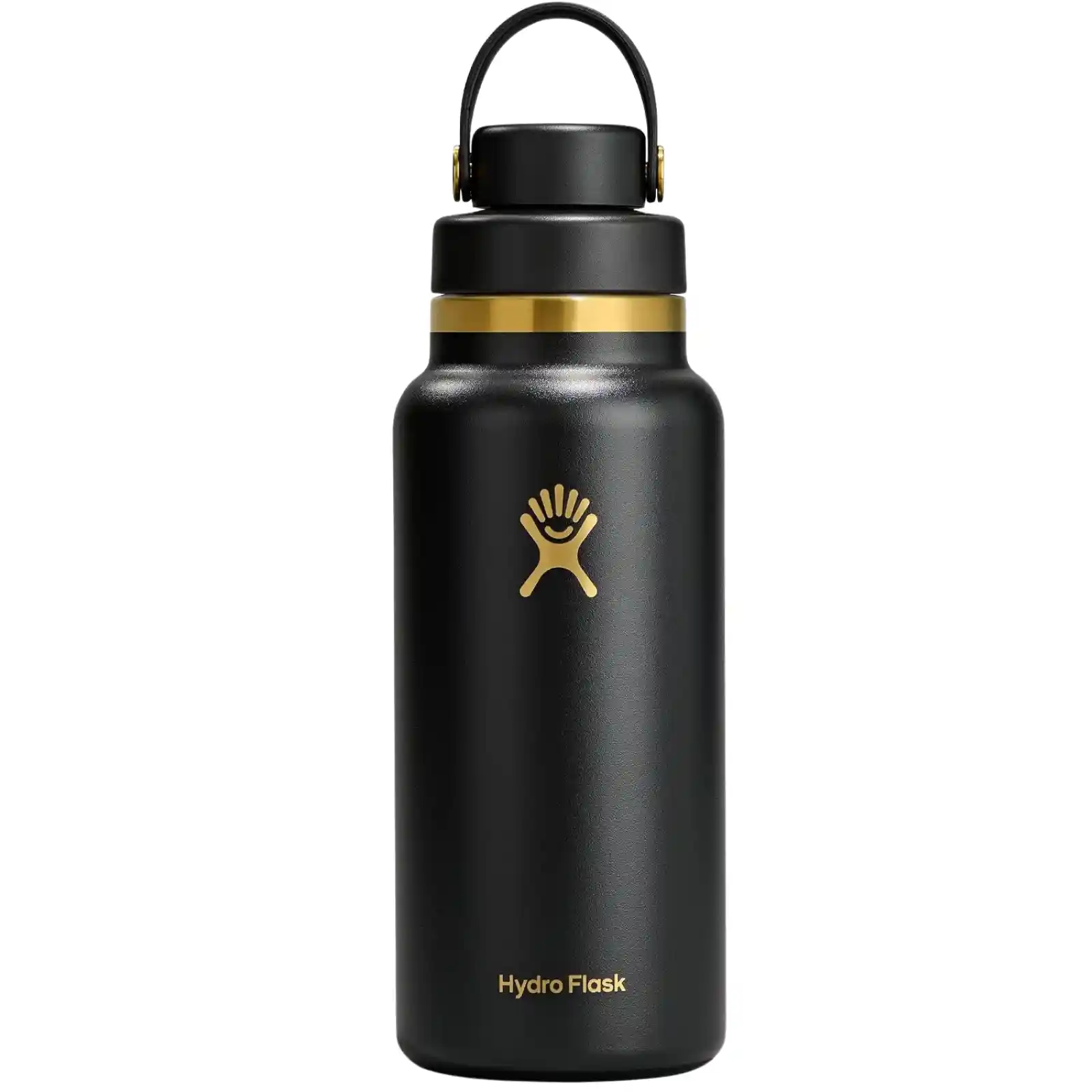
Hydro Flask Wide Mouth Stainless steel 32 oz TempShield double-wall vacuum Flex Chug lid Yes $44.95
Takeya Sport Insulated Stainless steel 32 oz Triple-wall vacuum with copper lining Spout lid with ice blocker Yes $39.99 approx
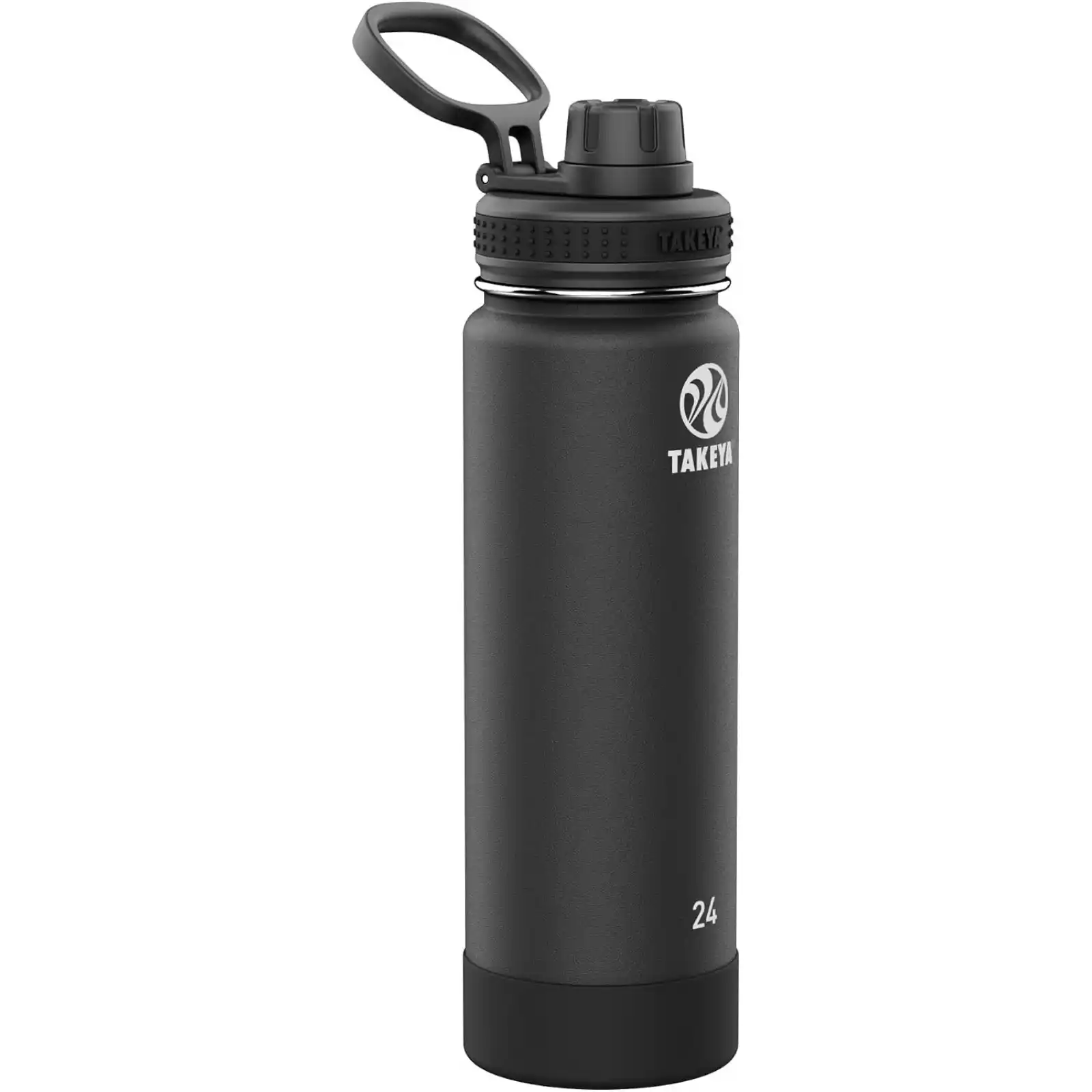
Takeya Actives Stainless steel 24 oz Vacuum insulated Spout lid Yes $29.99 approx
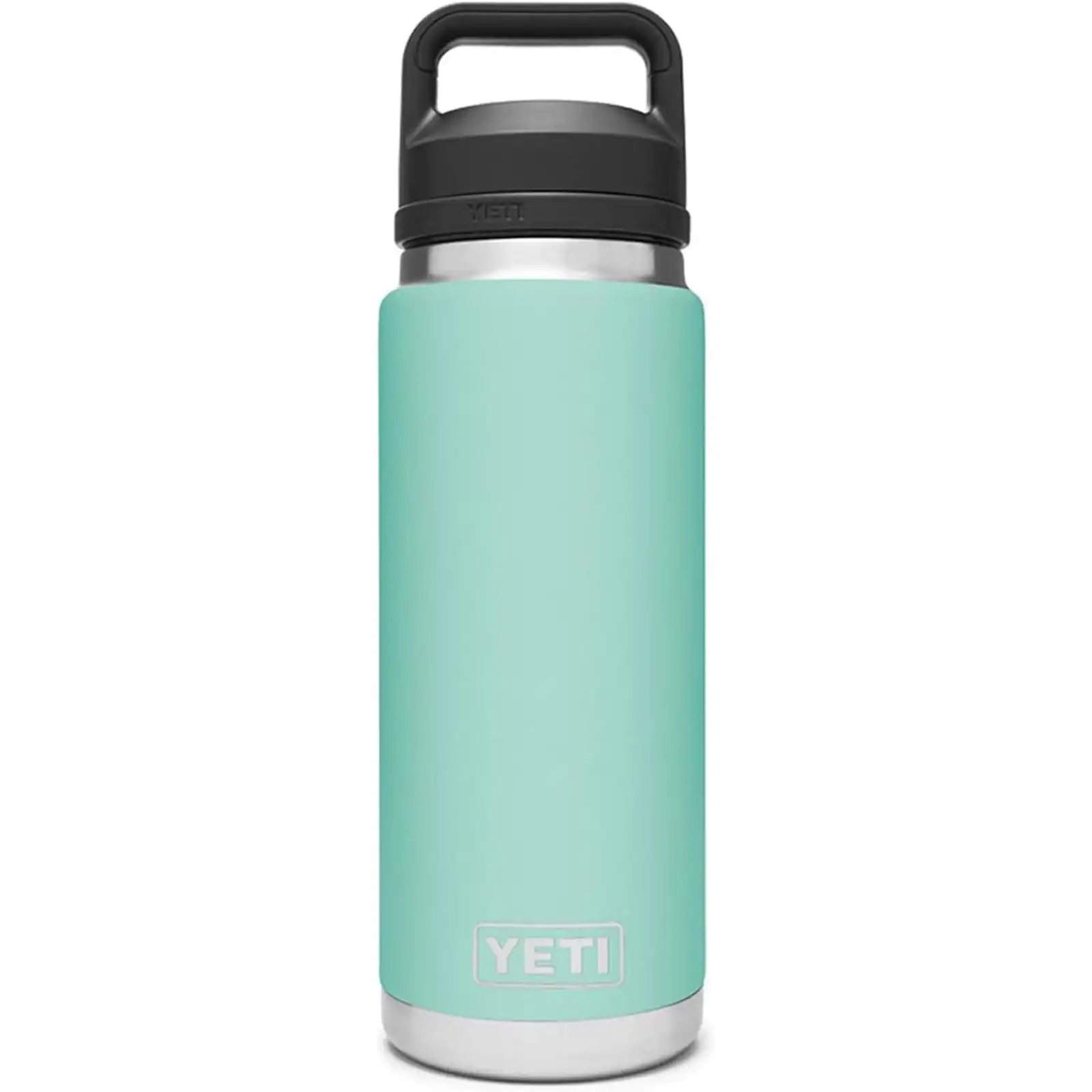
Yeti Rambler 26 Stainless steel 26 oz Double-wall vacuum Chug Cap Yes $40.00 approx
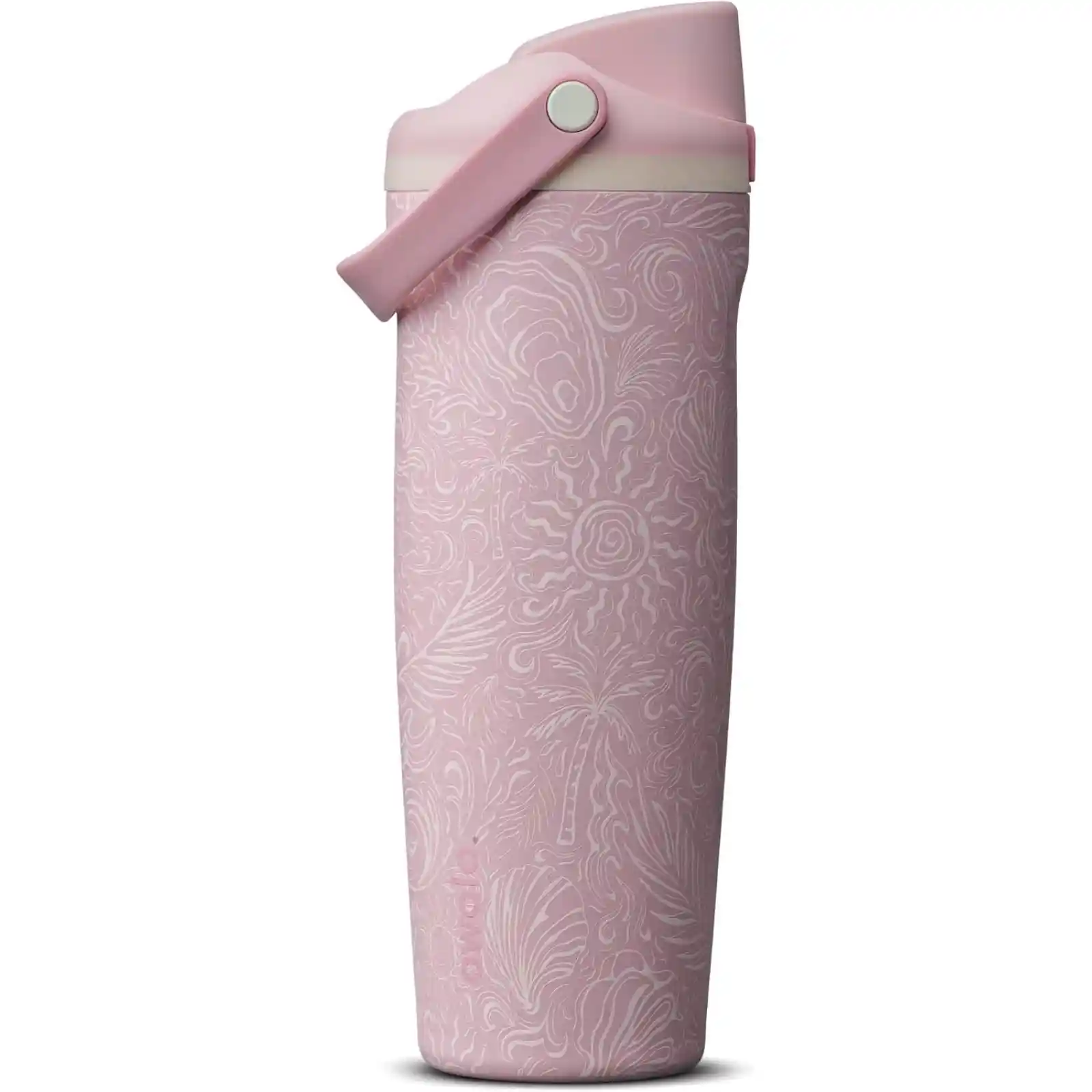
Owala FreeSip Sway Stainless steel 30 oz Double-wall vacuum Two-way FreeSip spout with built-in straw Lid only $27.99
Stanley Quencher H2.0 Flowstate 90% recycled stainless steel 30 oz (0.89L) Double-wall vacuum FlowState three-position lid Yes $35.00 approx
Nalgene Wide-Mouth Tritan Renew copolyester 32 oz None Screw cap with carry loop Yes $17.00
CamelBak Chute Mag Stainless steel 32 oz Double-wall vacuum Magnetic Chute cap Yes $29.99
Klean Kanteen Classic Stainless steel 27 oz Single-wall Flip Seal Sport Cap Yes $21.95
Hydrapak UltraFlask Speed Soft flask (pliable) 500 ml (17 oz) None Bite valve Hand wash recommended $17.60
Katadyn BeFree 0.6L Soft flask with filter 0.6L None Bite valve with filter Hand wash recommended $44.95 approx
Purist Mover Stainless steel with Purist lining 18 oz / 32 oz Double-wall vacuum Union lid / Element lid Hand wash recommended $48.00 approx
LARQ Bottle PureVis Stainless steel 17 oz / 25 oz / 34 oz Double-wall vacuum Loop lid / Twist lid Hand wash recommended $99+

Best for Running

Why Running Demands a Different Bottle

When you are running, every extra ounce eventually feels heavier. Your bottle also needs to work with one hand and fit comfortably in a vest, handheld carrier, or waist belt.

That is why soft flasks make so much sense for runners. They are light, flexible, and collapse as you drink, reducing both bulk and water movement.

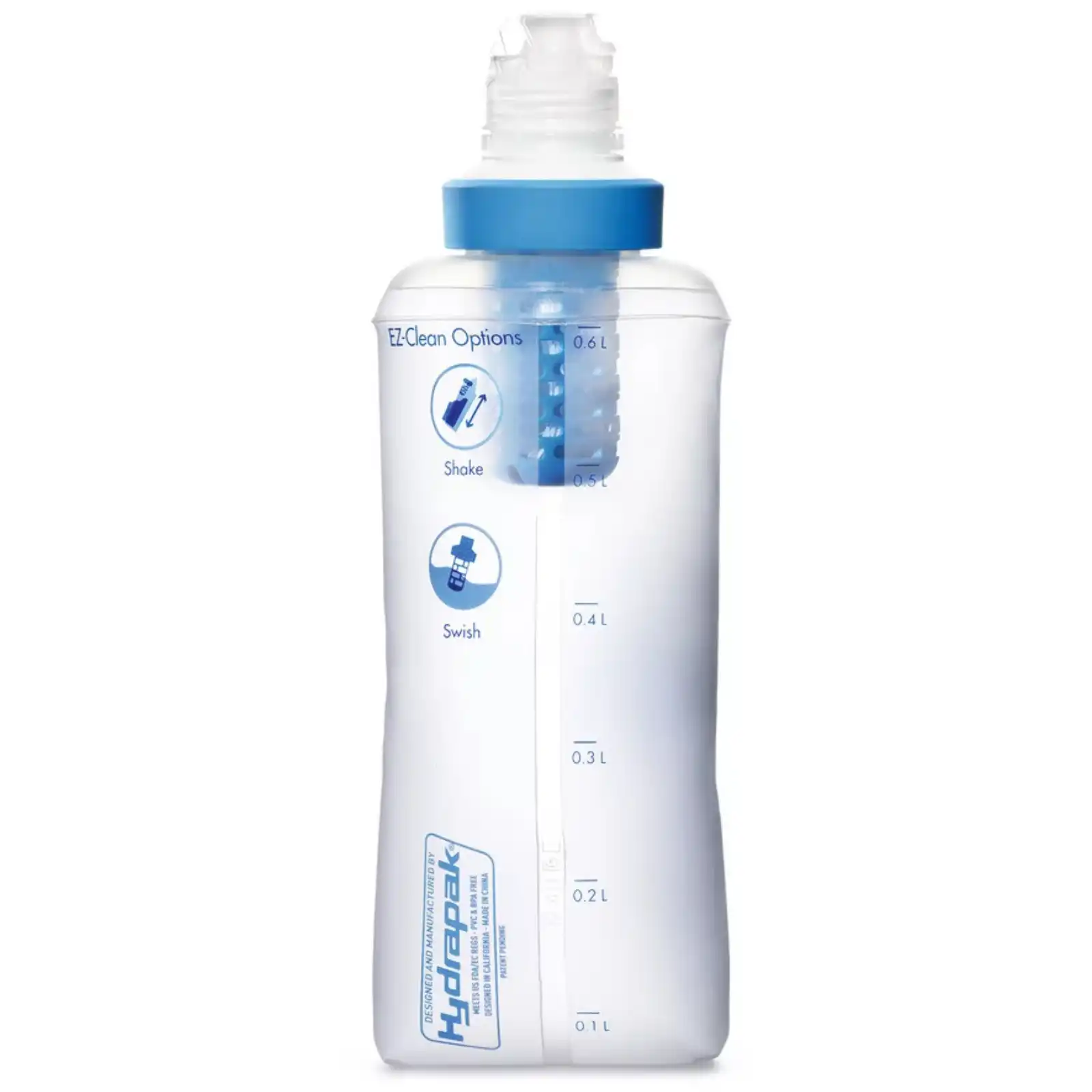
1. HydraPak UltraFlask Speed 500ml | Best for Most Runners

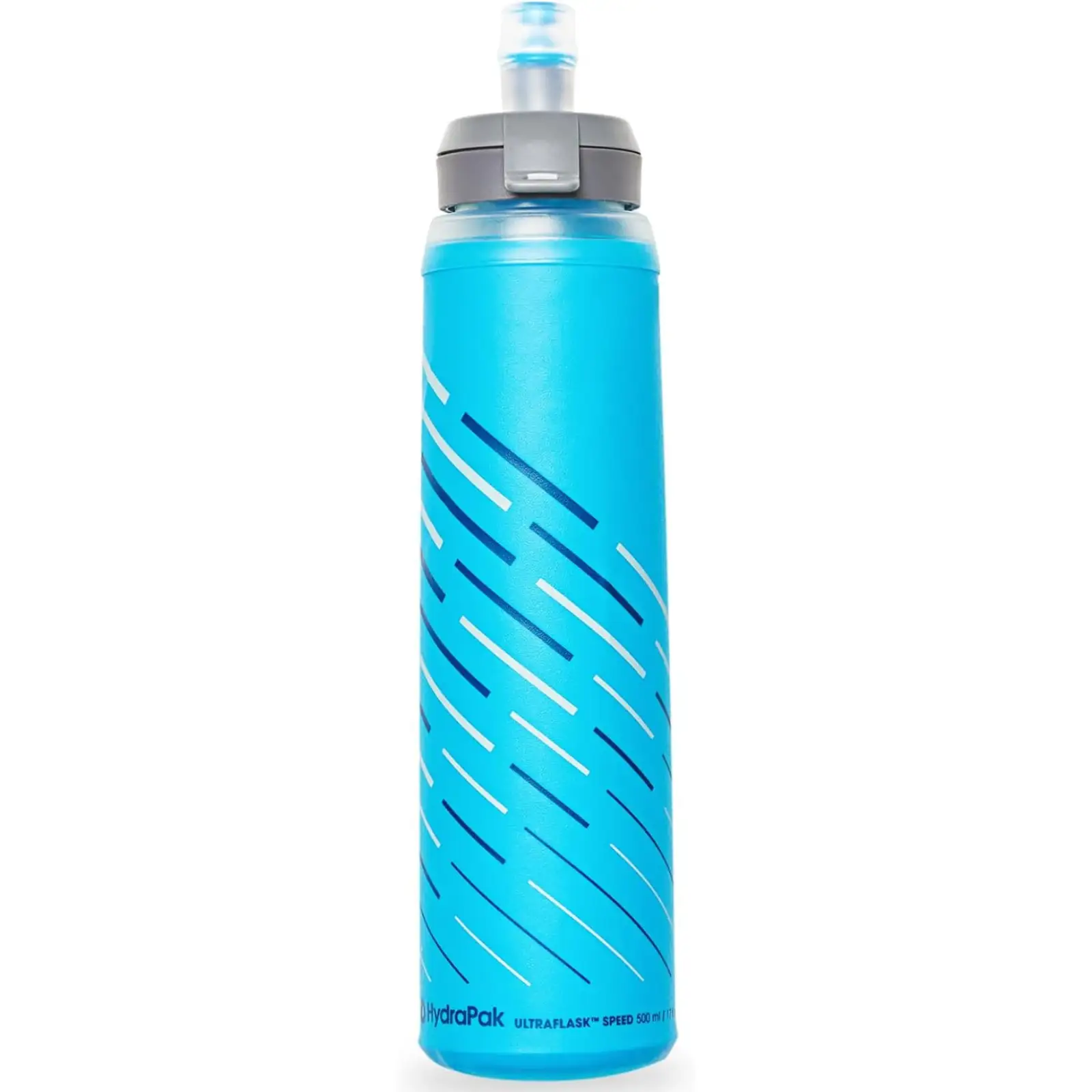
HydraPak UltraFlask Speed

The HydraPak UltraFlask Speed 500ml is ideal for runners who want low weight and quick hydration. Its soft design and bite valve work especially well with hydration vests. Choose it when portability matters more than insulation.

Best for: Running, racing, hydration vests, and anyone trying to minimize weight.

At only 1.4 ounces empty, the HydraPak UltraFlask Speed 500ml is designed specifically for running vests and hydration packs. Its flexible body shrinks as you drink, while the bite valve lets you hydrate without stopping. The 42mm opening also makes refilling with ice or drink mix easier.

Why I like it

  1. Extremely light
  2. Fits most running vest pockets
  3. High-flow bite valve
  4. Collapses as you drink
  5. 42mm opening for faster refills

Drawbacks

  1. It is not insulated, so water will warm up on hot runs.
  2. At 500ml/17 oz, one flask may not be enough for long-distance runs.
  3. Some owners report a noticeable plastic taste, especially when the flask is new. HydraPak acknowledges that a small percentage of users may notice this with TPU flasks.
  4. Soft-flask valves and flip-cap parts need more care than a simple rigid bottle lid.

2. Katadyn BeFree 0.6L | Best for Trail Running

Katadyn BeFree

The Katadyn BeFree suits trail runners who need more water between refills. Its built-in filtration adds flexibility on longer outdoor routes. It is a practical choice when capacity and refill access matter most.

IIf your route passes reliable natural water sources, the Katadyn BeFree 0.6L can save you from carrying all your water from the start.

It combines a collapsible flask with a 0.1-micron filter and weighs only about 3.4 ounces. Independent testing found it particularly useful for trail running, hiking, and other fast-moving activities.

Why I like it

  1. Lightweight and collapsible
  2. Fast flow rate
  3. Filters bacteria and protozoa
  4. Lets you refill during longer trail runs

Drawbacks

  1. The soft flask is less durable than a rigid bottle and has received criticism for leaks and reliability.
  2. The filter can slow down or clog if it is not cleaned and stored correctly.
  3. It does not remove viruses, chemicals, or heavy metals, so it is not suitable for every water source.

What to Look For in a Running Bottle

  1. Low weight: Soft flasks are much lighter than insulated steel bottles.
  2. Bite valve or squeeze top: Easier to use without breaking stride.
  3. Vest compatibility: Check pocket dimensions before buying.
  4. Capacity: Around 20–32 ounces works for many runs, depending on distance, heat, and refill access.

Expert Tip: For trail running, a filter bottle can reduce carried weight, but always consider the quality and availability of water sources along your route.

Best for Cycling

Bottle-Cage Fit Comes First

For serious road cycling, bottle-cage fit comes before insulation. A heavy insulated bottle can be excellent for commuting but a poor choice for performance riding if it does not fit your cage or adds unnecessary weight.

Best for Performance Cycling

For road and performance cycling, prioritize a slim, lightweight squeeze bottle that fits your cage securely. Insulation is secondary unless you regularly ride in very hot conditions.

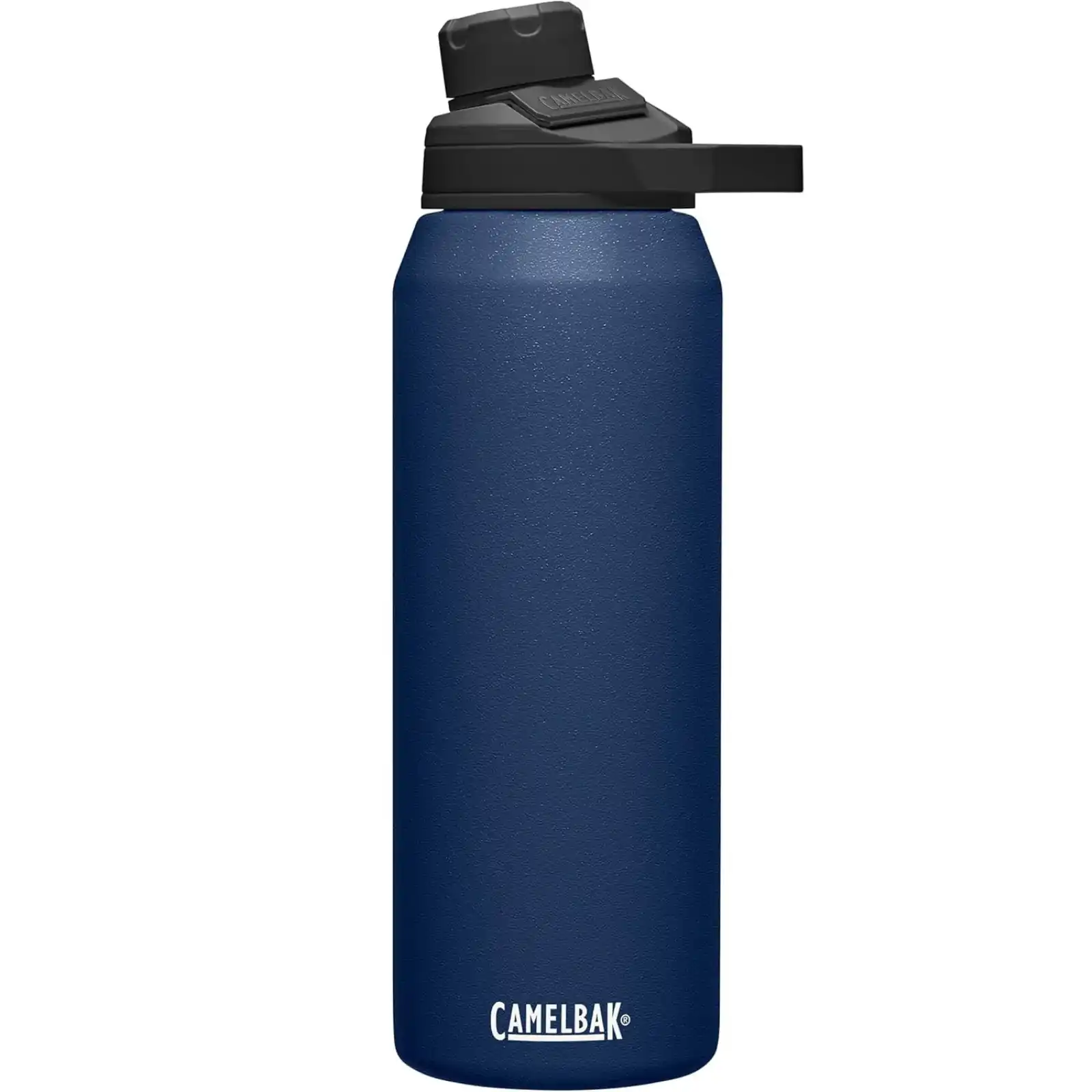
1. CamelBak Chute Mag 32 oz | Best for Cycling Commutes

CamelBak Chute Mag

The CamelBak Chute Mag 32 oz is a good choice for commuting and casual cycling, with insulation and easy drinking. Its main drawback is size, so check your bottle-cage fit before buying.

Best for: Cycling commuters who value cold water more than minimum weight.

The insulated CamelBak Chute Mag 32 oz has a magnetic cap that stays out of the way while you drink, plus a high-flow opening for quick hydration.

However, there is an important catch.

The bottle is about 8.5 cm wide and weighs roughly 493g empty, making it much heavier and wider than a traditional cycling squeeze bottle.

Why I like it

  1. Strong insulation
  2. Magnetic cap
  3. High-flow opening
  4. Durable stainless-steel build

Drawbacks

  1. Heavy compared with normal cycling bottles.
  2. Its wide diameter may not fit many standard road-bike cages.
  3. A 32-ounce stainless bottle adds noticeable weight when full.
  4. Better suited to commuting, e-bikes, or larger cages than performance road cycling.

Expert Tip: Measure the inside diameter of your bottle cage before buying an insulated cycling bottle.

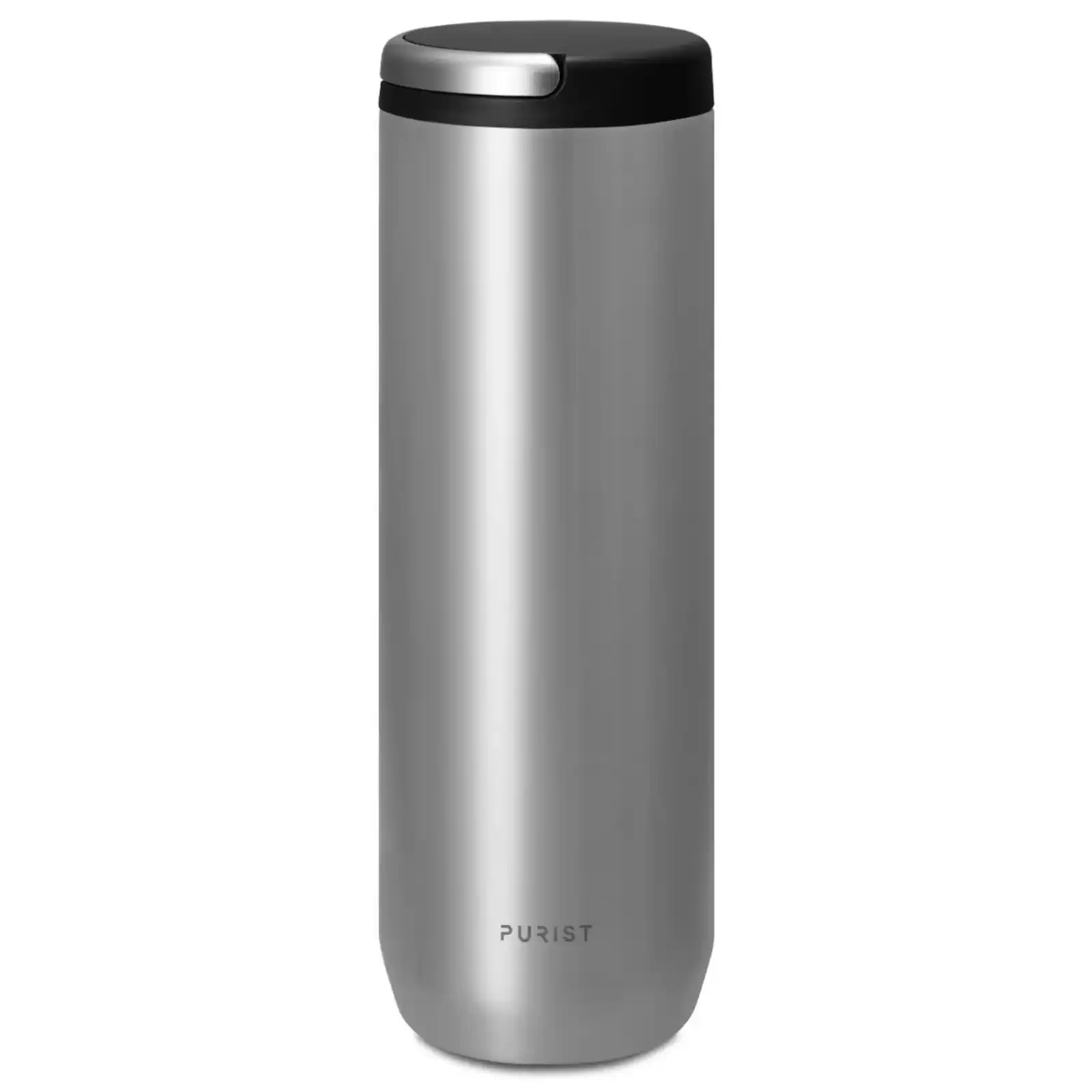
2. Purist Mover | Best for Electrolyte Drinkers

Purist Mover

The Purist Mover 18 oz is a simple, lightweight option for shorter workouts. Its slim design is easy to carry, while the interior coating helps reduce lingering tastes and odors.

The Purist Mover is useful if you regularly switch between water, coffee, and electrolyte drinks.

It is not a conventional glass bottle. Instead, it uses a durable stainless-steel exterior with an extremely thin glass-like interior coating designed to reduce lingering flavors and odors. Independent testing found it especially good at preventing flavor transfer.

Why I like it

  1. Very little flavor transfer
  2. Leakproof lid options
  3. Insulated
  4. Durable exterior
  5. Comfortable to hold

Drawbacks

  1. Expensive compared with standard cycling bottles.
  2. The tested 18-ounce version offers limited capacity.
  3. It is not dishwasher safe.
  4. Some lid options can be harder to open or clean.
  5. A rigid bottle can develop cosmetic scuffs when repeatedly used in a bike cage.

What to Look For in a Cycling Bottle

  1. Correct cage fit: Always check diameter.
  2. One-hand drinking: A squeeze top or high-flow spout is easiest.
  3. Secure closure: You do not want water dripping over your bike.
  4. Easy cleaning: Especially important for electrolyte mixes.

For serious road cycling, a lightweight squeeze bottle will usually make more sense than a large insulated stainless-steel bottle.

Best for the Gym

One-Hand Operation and Leakproof Lids

At the gym, your bottle spends time on the floor, beside machines, and inside your gym bag.

A secure lid matters more than fancy features. You also want to take a quick drink between sets without unscrewing several parts.

For short indoor workouts, lighter is often better. For long or hot sessions, insulation and larger capacity become more useful.

1. Takeya Sport 32 oz | Best for Long Gym Sessions

Takeya Sport

The Takeya Sport 32 oz gives gym users plenty of water without constant refills. Its insulation and easy-access lid make it especially useful for longer sessions.

Best for: Longer workouts, hot gyms, or anyone who strongly prefers cold water.

The Takeya Sport 32 oz combines triple insulation with a spout lid and built-in ice blocker. It is designed to keep drinks cold for long periods while giving you quick access between sets.

Why I like it

  1. Large 32-ounce capacity
  2. Insulated design
  3. Ice-blocking spout
  4. Stable rubberized base
  5. Good for longer sessions

Drawbacks

  1. It is bulky. Popular Mechanics noted that the 32-ounce Takeya Sport takes up a surprising amount of space for its capacity.
  2. The more complicated lid needs careful cleaning and drying.
  3. Some recent owners have reported moisture or mold concerns in difficult-to-access areas of the lid, reinforcing the importance of thorough drying.
  4. It is heavier than a simple plastic gym bottle.

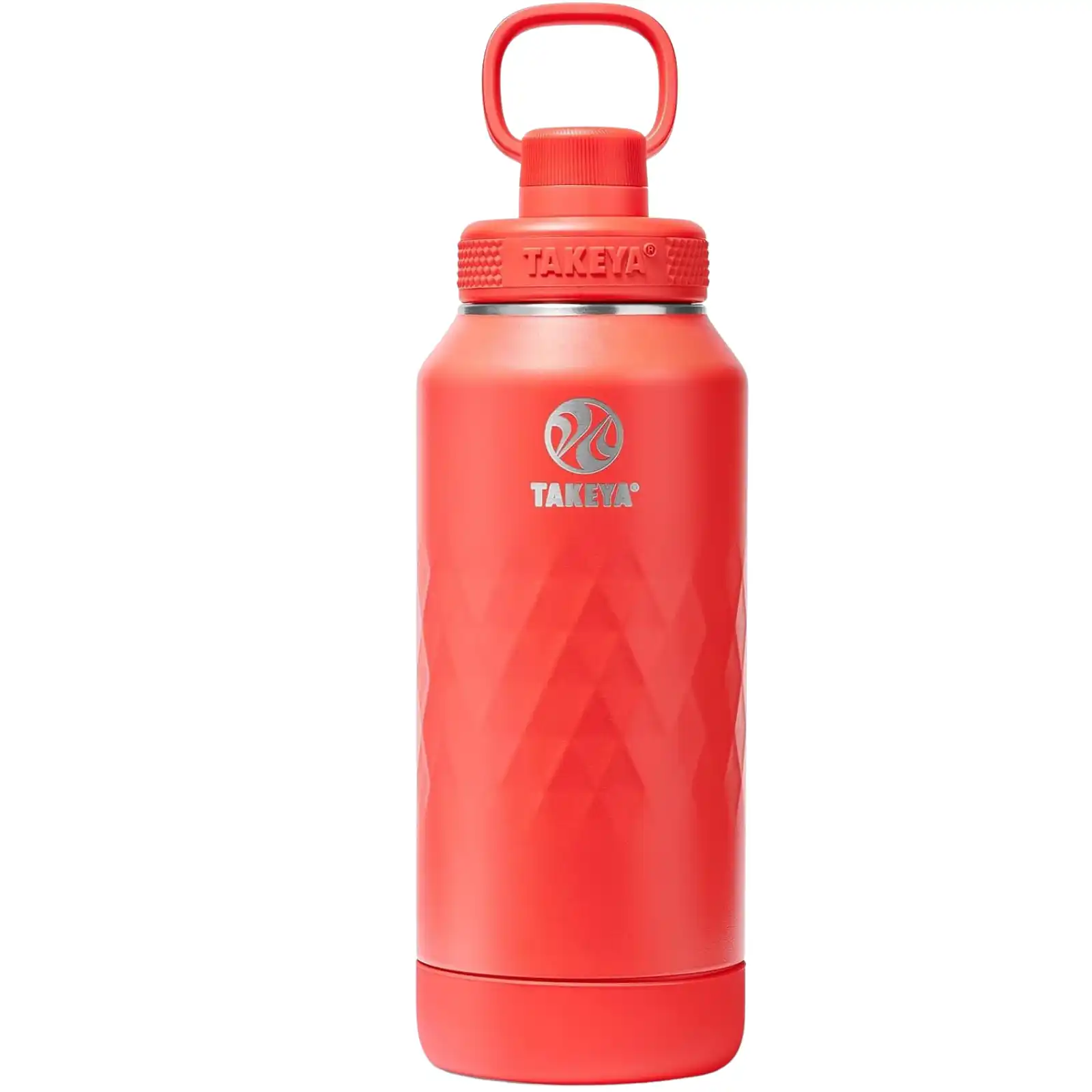
2. Takeya Actives 24 oz | Best for Shorter Workouts

Takeya Actives

The Takeya Actives 24 oz is a good middle ground for shorter workouts. Its compact size is easier to carry, while insulation keeps water cold during training.

For a smaller gym bottle, the Takeya Actives 24 oz gives you an insulated stainless-steel body and easy-drinking spout without jumping to a very large capacity.

The same Actives design has performed well for leak resistance, but independent 2026 testing of the 32-ounce version found some compromises in cleaning and drinkability.

Why I like it

  1. Comfortable spout
  2. Leak-resistant design
  3. Insulated
  4. Protective silicone base
  5. Good carrying handle

Drawbacks

  1. The multi-part lid can be harder to clean thoroughly.
  2. Flavors from electrolyte mixes may linger in the plastic spout.
  3. The larger Actives sizes may not fit standard car cupholders.

What to Look For in a Gym Bottle

  1. Leakproof lid: Essential for gym bags.
  2. One-hand drinking: Look for a spout or straw.
  3. Easy cleaning: Especially if you use supplements or electrolyte powders.
  4. Capacity: Around 16–24 ounces is enough for many indoor workouts, while longer sessions may justify 30 ounces or more.

Expert Tip: If your workout only lasts an hour, you may not need a heavy insulated bottle. A lighter plastic bottle can be the more practical choice.

Best for Hiking and Trail

Durability and Cold Water for Long Days

Hiking is where a little extra bottle weight can be worth it.

Your bottle may get dropped on rocks, packed beside other gear, or sit in the sun for hours. For many hikers, durability and insulation matter more than having the lightest bottle possible.

1. YETI Rambler 26 oz | Best for Durability

YETI Rambler

The YETI Rambler 26 oz is built for athletes who prioritize durability and insulation. The trade-off is extra weight compared with lightweight plastic or soft bottles.

The YETI Rambler 26 oz is one of the strongest options in this guide.

Independent 2026 testing rated it particularly highly for durability, leak resistance, cleaning, and overall construction.

Why I like it

  1. Excellent durability
  2. Leakproof Chug Cap
  3. Easy to clean
  4. Strong insulation
  5. Dishwasher safe

Drawbacks

  1. Heavy for its 26-ounce capacity.
  2. More expensive than many competitors.
  3. Its wide base does not fit many standard cupholders.
  4. It is overkill for ultralight hikers who count every ounce.

Best for: Hiking, camping, work sites, and rough everyday use.

2. Hydro Flask Wide Mouth 32 oz with Flex Chug Cap | Best All-Round Hiking Pick

Hydro Flask Wide Mouth

The Hydro Flask Wide Mouth 32 oz is the best overall pick for its balance of capacity, insulation, durability, and easy cleaning. It works well for workouts, hiking, and everyday hydration.

The Hydro Flask Wide Mouth 32 oz with Flex Chug Cap gives you more capacity while keeping the convenient wide-mouth design.

Hydro Flask currently lists the 32-ounce Flex Chug model at around $44.95.

The smaller chug opening is easier to drink from while walking, while removing the full lid gives you a wide opening for ice, filling, and cleaning.

Why I like it

  1. Leak-resistant Flex Chug lid
  2. Wide opening for filling and cleaning
  3. Double-wall insulation
  4. Dishwasher safe
  5. Good 32-ounce hiking capacity

Drawbacks

  1. More expensive than basic bottles.
  2. The 32-ounce size is bulky for smaller bags and cupholders.
  3. Some owners find the lower section of the Flex Chug lid difficult to unscrew.
  4. Like many coated stainless bottles, the exterior can develop cosmetic scratches with rough use.

Expert Tip: If you use electrolyte or protein mixes, a wide-mouth bottle will usually be much easier to scrub thoroughly.

What to Look For in a Hiking Bottle

  1. Vacuum insulation: Useful for long, hot days.
  2. Wide mouth: Makes filling, adding ice, and cleaning easier.
  3. Durable construction: Important around rocks and rough gear.
  4. Capacity: Around 32 ounces or more for longer outings, depending on refill access.

Best for Team Sports

Fast Hydration Between Plays

For soccer, basketball, football, and other team sports, you may only have a short break to drink.

Look for a bottle that opens quickly, holds enough water for practice, and can survive being knocked around on the sideline.

For hygiene, it is better for each athlete to use their own bottle rather than share the same mouthpiece.

1. Owala FreeSip Sway 30 oz | Best Overall for Team Sports

Owala FreeSip Sway

The Owala FreeSip Sway 30 oz is convenient when you need quick hydration during short breaks. Its flexible drinking design and locking lid make it practical for practices and sports bags.

Best for: Team practices, gym sessions, commuting, and athletes who like both straw and chug drinking.

The Owala FreeSip Sway 30 oz gives you two drinking methods in one lid. You can sip through the built-in straw or tilt the bottle back and drink through the larger opening.

The current 30-ounce model is around $34.99 and is designed to be leakproof, cupholder-friendly, and cold for up to 24 hours.

Why I like it

  1. Straw and chug options
  2. Lockable, leakproof lid
  3. Large carrying handle
  4. Cupholder-friendly base
  5. Easy one-hand access

Drawbacks

  1. The lid and straw have several small areas that require careful cleaning.
  2. Independent testing gave it a relatively low cleaning score because electrolyte residue can collect around the lid and straw.
  3. At about 18.4 ounces empty for the tested 30-ounce model, it is not particularly light.
  4. With the lid open, the bottle can be top-heavy and easier to knock over.
  5. Best used for cold drinks rather than hot beverages.

2. Stanley Quencher H2.0 FlowState 30 oz | Best for Stationary Sideline Use

Stanley Quencher

The Stanley Quencher H2.0 30 oz works well for athletes who prefer easy sipping and larger capacity. Its size makes it less convenient for carrying while actively moving.

The Stanley Quencher H2.0 FlowState 30 oz gives you a large handle, reusable straw, three-position lid, and a narrow base that fits most car cupholders.

Stanley currently lists the regular 30-ounce model around $40, although colors and promotions can change the price.

Why I like it

  1. Easy-access straw
  2. Comfortable handle
  3. Large capacity
  4. Good cold retention
  5. Dishwasher safe

Drawbacks

  1. It is not fully leakproof. Keep it upright rather than throwing it inside a sports bag.
  2. It is relatively heavy; Stanley lists the 30-ounce model at around 1.18 pounds empty.
  3. The narrow base and larger upper body can make it easier to knock over.
  4. Its rigid straw is less forgiving if you bump the bottle while drinking.
  5. Better for a bench, gym floor, or cupholder than a rough field sideline.

So, between these two, the Owala FreeSip Sway is the more practical team-sport bottle, especially if you need something that can safely go inside your bag.

The reason is simple: team-sport bottles often end up in gear bags, so secure closure matters more than a convenient straw alone.

What to Look For in a Team-Sport Bottle

  1. Quick-access lid: Straw or chug lids save time during short breaks.
  2. Secure closure: Important when the bottle goes in a gear bag.
  3. Large capacity: Fewer refill trips during practice.
  4. Stable construction: Useful on busy sidelines.
  5. Simple cleaning: Sports bottles are used frequently and should be washed often.

Quick Capacity Guide

As a simple starting point:

  1. Gym: 16–24 oz
  2. Running or cycling: 20–32 oz
  3. Team sports: 24–32+ oz
  4. Long hikes: 32 oz or more

These are only general ranges. Heat, workout intensity, duration, refill access, body size, and personal hydration needs can all change how much water you should carry.

Buying Guide: How to Choose the Right Sports Water Bottle

Hydro Flask Wide Mouth

The right sports water bottle depends on how you train, how long you are active, and where you carry it.

Instead of choosing by brand first, look at five things: Material, Insulation, Capacity, Lid style, Fit.

These factors have a bigger impact on daily use than extra features you may never need.

Material: Stainless Steel vs. Plastic vs. Glass

Bottle material affects weight, durability, insulation, taste, and price. For a deeper comparison, see our stainless steel vs plastic water bottles guide.

1. Stainless Steel: Best for Cold Water and Durability

Stainless steel is the most practical choice if you want a bottle that can handle daily use and keep water cold for hours.

Most insulated bottles use double-wall stainless-steel construction, which makes them useful for hiking, outdoor workouts, long gym sessions, and hot weather.

Choose stainless steel if you want:

  1. Strong durability
  2. Good odor resistance
  3. Long cold retention
  4. Better protection from everyday drops

Keep in mind:

  1. It is heavier than plastic
  2. Larger sizes can feel bulky when full
  3. Insulated models usually cost more

Some newer bottles also use recycled stainless steel, which may appeal to buyers looking for a more sustainable option.

Best fit: Hiking, gym use, outdoor training, commuting, and hot climates.

2. Plastic: Best for Low Weight and Budget

Plastic bottles are lighter, cheaper, and easier to carry.

A bottle such as the Nalgene Wide Mouth is a good example. It is simple, durable, and useful when you do not need insulation.

Choose plastic if you want:

  1. Lower weight
  2. Lower price
  3. A simple bottle for short workouts
  4. Easy visibility of your remaining water

The trade-offs:

  1. Little or no insulation
  2. Water warms faster
  3. Some plastic bottles may hold flavors or odors over time

Modern sports bottles often use BPA-free materials such as Tritan Renew.

Best fit: Short gym sessions, travel, casual hiking, and weight-conscious users.

3. Glass: Best for Clean Taste

Glass is one of the best materials for avoiding flavor and odor retention.

That makes it appealing if you regularly switch between water, electrolytes, and flavored drinks.

Main advantages:

  1. Neutral taste
  2. Low flavor retention
  3. Easy to see inside

Main drawbacks:

  1. Heavier than plastic
  2. More fragile
  3. Poor choice for running, cycling, or rough trails

A useful alternative is the Purist Mover. It is not a full glass bottle. Instead, it combines a stainless-steel body with a thin glass-like interior layer designed to reduce flavor transfer.

Best fit: Office use, controlled gym environments, or anyone sensitive to lingering tastes.

Insulation: Do You Really Need It?

The decision is simple:

Do you need your water to stay cold for several hours?

If yes, choose an insulated bottle.

1. Double-Wall Vacuum Insulation

Best for:

  • Hot weather
  • Long workouts
  • Hiking
  • Outdoor sports
  • All-day use

Why it works:
Two walls with a vacuum layer between them slow heat transfer, helping drinks stay colder for much longer.

Trade-offs:

  • More weight
  • Higher cost
  • Often a wider bottle body

For example, Hydro Flask rates some Wide Mouth bottles for up to 24 hours of cold retention.

2. Non-Insulated Bottles

Best for:

  • Running
  • Cycling
  • Short gym workouts
  • Activities where low weight matters more

Nalgene bottles and HydraPak soft flasks are examples of bottles designed more around simplicity and low weight than temperature control.

Remember: Cold-retention claims are not fixed results. Outdoor temperature, ice, how full the bottle is, and how often you open it all affect performance.

Expert Tip: If your workout lasts less than an hour indoors, you may get more benefit from a lighter bottle than from heavy insulation.

If you... Choose
Run short indoor sessions Non-insulated
Run outdoors Lightweight/non-insulated
Cycle competitively Lightweight first
Hike for hours Insulated
Train in hot weather Insulated
Carry a bottle all day Insulated

Capacity: How Many Ounces Should You Carry?

More capacity means fewer refills, but it also means more weight. Choose based on your activity rather than automatically buying the biggest bottle.

Activity Practical Starting Range
Short gym workout 16–24 oz
Running 20–32 oz
Cycling 20–32 oz
Team sports 24–32+ oz
Hiking / all-day use 32 oz+

These numbers are starting points, not strict rules.

A 32-ounce bottle may be unnecessary for a short gym session, but very useful during a long hike with limited refill access.

When a Smaller Bottle Makes Sense

Choose smaller if:

  1. Your session is short
  2. Water is easy to refill
  3. You want less weight
  4. You carry the bottle while running

When a Larger Bottle Makes Sense

Choose larger if:

  1. You train for several hours
  2. You are outside in hot weather
  3. Refill points are limited
  4. You are hiking or playing long team sessions

Your Sweat Rate Matters Too

Hydration needs are personal, and sweat loss can vary significantly between athletes. A sweat-rate estimate can help you understand how much fluid you lose during a particular workout, but it should not be treated as an exact drinking prescription.

Sweat rate changes with:

  • Exercise intensity
  • Temperature
  • Humidity
  • Body size
  • Clothing
  • Workout duration

A simple way to estimate sweat loss is to compare your body weight before and after exercise while tracking how much you drank.

Estimate Your Sweat Rate & Bottle Capacity

Enter a few workout details to estimate your fluid loss and see what bottle size may be practical.

Water or sports drinks during exercise.
Leave at 0 if none.

Your Estimated Results

0 oz Total Fluid Loss
0 oz/hr Sweat Rate
0 20 oz Bottles

Note: This is a rough estimate for planning bottle capacity, not a personalized medical hydration recommendation.

Lid Type: Match It to Your Sport

The lid can matter more than the bottle body. A great bottle becomes frustrating if you need two hands to drink, it leaks in your bag, or its small parts are difficult to clean.

Quick Lid Guide

Lid Type Best Use
Flip spout Gym and everyday training
Straw lid Gym, team sports, commuting
Bite valve Running and hydration vests
Squeeze top Cycling and running
Chug cap Hiking and everyday use
Wide mouth Ice, powders, and easy cleaning
Magnetic cap Quick-access drinking

1. Flip and Straw Lids

These work well when you want quick one-hand drinking.

They are especially useful in the gym or during team sports.

Downside: More straws, seals, and small parts usually mean more cleaning.

2. Bite Valves and Squeeze Tops

These are ideal when you need to drink without stopping.

That is why they are common in running flasks and cycling bottles.

3. Chug and Wide-Mouth Lids

These suit hiking and everyday use.

A chug opening gives you controlled flow, while a wide mouth makes adding ice, drink powder, and cleaning much easier.

Leakproof vs. Splash-Resistant

These terms are not the same.

A bottle can be fine when standing upright and still leak if it is placed sideways inside your gym bag. If a bottle is going inside a gym bag or backpack, treat “spill-resistant” and “leakproof” as different claims. Check the manufacturer’s exact wording and closure design.

If you carry a bottle in a backpack, check for:

  1. A secure gasket
  2. A lid that closes fully
  3. A locking mechanism
  4. Replaceable seals
  5. Removable parts for cleaning

Do not rely only on words such as “spill-resistant” or “splash-resistant.”

Bottle-Cage and Cupholder Fit

This is one of the easiest buying mistakes to avoid.

A bottle may have the right capacity and insulation but still be frustrating if it does not fit your:

  • Bike cage
  • Car cupholder
  • Treadmill holder
  • Backpack pocket

Check These Before Buying

  1. Measure the holder width.
  2. Find the bottle diameter.
  3. Compare the two measurements.
  4. Check whether handles, silicone boots, or wider upper sections affect fit.

The 32 oz Nalgene Wide Mouth, for example, has a wide body and may not fit many standard car cupholders.

Slimmer designs such as some Klean Kanteen Classic bottles are easier to place in common holders.

The Stanley Quencher uses a narrow lower base designed to fit many car cupholders, although the top of the bottle is much wider.

For cycling, never assume an insulated bottle will fit a standard bike cage just because it looks narrow in photos.

The 5-Second Rule

  1. Running? Go light.
  2. Cycling? Check cage fit.
  3. Gym? Prioritize the lid.
  4. Hiking? Prioritize capacity and insulation.
  5. Hot weather? Insulation becomes more valuable.

Cleaning, Care, and Odor Prevention

how do you clean a stainless steel water bottle

Regular cleaning prevents most odor, residue, and mold problems, especially if you use electrolytes or protein powder.

For a simple cleaning routine, see our guide on how to clean a water bottle.

Daily Cleaning Routine

Wash the bottle after each use with warm soapy water and a bottle brush.

If you used anything other than plain water:

  1. Rinse immediately.
  2. Add mild dish soap.
  3. Scrub the inside and lid.
  4. Rinse well.
  5. Let all parts dry completely.

Expert Tip: Clean the bottle daily and deep-clean lids, straws, and gaskets weekly.

Deep Cleaning Lids, Straws, and Gaskets

Odors often collect in gaskets, straws, threads, and small lid parts.

Once a week:

  1. Take the lid apart where possible.
  2. Soak removable parts in warm soapy water.
  3. Use a small brush around seals and grooves.
  4. Rinse thoroughly.
  5. Let everything dry before reassembling.

For stubborn odors, a mild vinegar-and-water soak may help if the manufacturer allows it.

Some lids, such as the Stanley FlowState lid, are designed to come apart for easier cleaning.

Odor Prevention for Electrolytes and Protein Drinks

Electrolyte mixes and protein powder leave more residue than plain water.

To prevent smells:

  1. Rinse the bottle immediately after use.
  2. Run clean water through the straw or spout.
  3. Choose a wide-mouth bottle for easier scrubbing.
  4. Use dishwasher-safe parts when the manufacturer allows it.
  5. Never store the bottle while it is still damp.

Stainless steel generally resists lingering odors better than plastic over time.

Expert Tip: If you use drink mixes often, choose a wide-mouth bottle with a simple lid and removable parts.

Hydration Basics for Athletes

Staying hydrated during exercise is about more than carrying a bottle. You need to know how much you lose through sweat and how your bottle can make replacing that fluid easier.

How Much Should You Drink Per Hour?

There is no universal amount that works for every athlete. Your needs change with: Exercise intensity, Heat and humidity, Workout duration, Body size, Individual sweat rate.

For shorter workouts, drinking according to thirst may be enough. During longer or harder sessions, a planned drinking schedule can help you stay ahead of fluid loss. Avoid forcing large amounts of water, though. Overdrinking can also be dangerous.

When Do You Need Electrolytes?

For a typical workout lasting less than 60–90 minutes, electrolytes may not be necessary for everyone.

They become more useful during:

  1. Long workouts
  2. Heavy sweating
  3. Hot or humid conditions
  4. Endurance activities

If you regularly use electrolyte powders, choose a bottle that is easy to clean and wide enough to mix drinks properly.

Match Your Bottle to Your Hydration Needs

Your hydration needs should also influence the bottle you buy.

Your Need Look For
Frequent drinking while running Quick-access lid
Long workouts Larger capacity
Cycling Bottle-cage compatibility
Hot-weather training Insulation
Electrolyte drinks Wide opening + easy cleaning

The best sports bottle is not the one with the most features. It is the one that makes drinking consistently easy during your activity.

FAQs About Sports Water Bottles

Are stainless steel bottles better than plastic for sports?

Stainless steel is better for insulation, durability, and odor resistance, while plastic is better for weight and price. The right choice depends on the activity and whether cold retention matters.

How do I stop my water bottle from smelling?

Rinse immediately after use, wash daily with warm soapy water, deep-clean lids and straws weekly, and choose wide-mouth, dishwasher-safe bottles if you use drink mixes.

What size water bottle do I need for the gym?

Roughly 16 to 24 ounces for a typical gym session, though longer sessions or hot conditions may call for more.

Do insulated bottles fit in bike cages and cupholders?

Many do not, because insulation adds diameter. Advise measuring the cage or cupholder and checking the bottle’s listed diameter before buying.

Is the LARQ UV-C self-cleaning bottle worth it?

The UV-C self-cleaning feature is genuinely useful for reducing odor and bacteria between washes, but it comes at a premium price, and a regular cleaning routine achieves most of the same benefit for far less money.

Final Verdict

For most athletes, the Hydro Flask Wide Mouth with Flex Chug lid is the top overall pick because it combines leakproof design, strong insulation, dishwasher-safe cleaning, and easy filling in a practical 32-ounce size. 

If you are on a budget, a Nalgene can be a reliable choice for under $20, while brands like Hydro Flask, YETI, and Klean Kanteen are better suited to buyers who value long-term durability and strong warranties

The final choice still depends on your sport: runners need easy drinking, cyclists need bottle-cage fit, hikers need capacity and durability, and gym users need a secure, easy-to-clean lid.

Still not sure? Use this 3-question bottle finder above to match a bottle to your sport, climate, and budget.

Zainab Khursheed! Water Bottle Research & Gear Writer

I’m Zainab, the creator of Water Bottle Experts. I research water bottles to help readers choose practical, lightweight, durable, and reliable options for hiking, travel, workouts, and everyday use.

For this guide, I reviewed manufacturer specifications, bottle weights, capacities, materials, filter compatibility, lid designs, packability, cleaning requirements, durability information, pricing, and feedback from users across different markets. I also compared how each bottle performs for common needs such as ultralight backpacking, day hiking, travel, gym use, and daily carry.

I do not claim to personally test every bottle featured here. My recommendations are based on worldwide research, verified product information, independent outdoor sources, and user feedback, with a focus on the details that matter most: weight, capacity, durability, ease of cleaning, filter compatibility, portability, and overall value.

Related Posts

Leave A Comment