In most cases: yes, premium bottles offer better insulation, durability, and leak-proof design. Over time, they often provide better value than cheaper bottles that need frequent replacement.
✕
- Hydrogen Water Bottles
- Sizes & Comparisons
- Buying Guides
- Education & Care
- Hydrogen Water Bottles
- Sizes & Comparisons
- Buying Guides
- Education & Care
Best Water Bottle for Every Routine in 2026: Safety, Insulation, and Value Ranked
Leave a comment / Blog / By Zainab / Updated: 14 oct 2026
Quick Answer
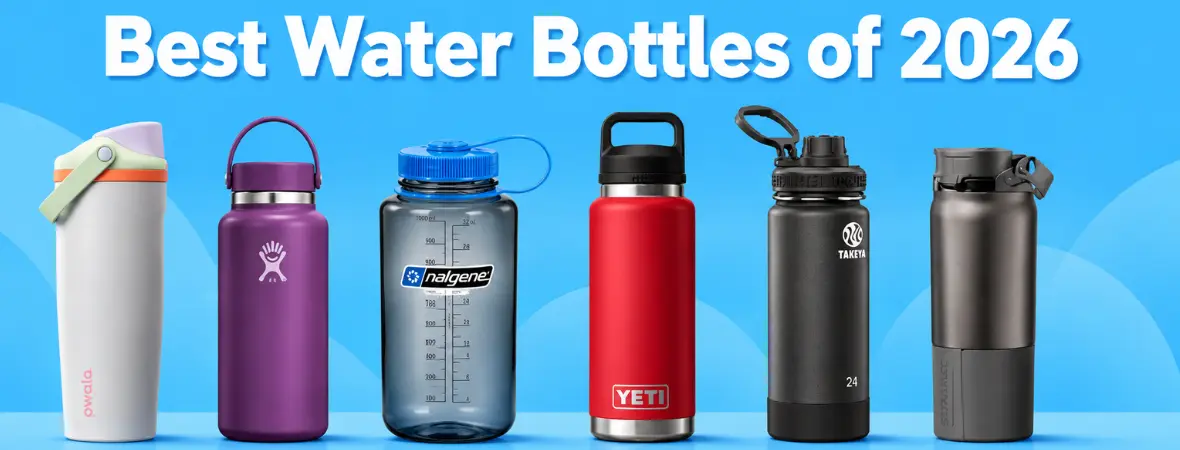
Owala FreeSip Sway (30 oz) is my best overall water bottle for 2026, thanks to its easy sip or chug lid, comfortable carrying handle, and cupholder friendly design.
Need water to stay cold longer? Choose Hydro Flask Wide Mouth. On a budget? Nalgene Sustain is lightweight and affordable, while Takeya Actives offers insulation at a lower price.
For other needs, YETI Rambler is best for durability, BrüMate Rise for metal-straw drinking, and Stanley Quencher ProTour for long workdays and driving, thanks to its 40 oz capacity and cupholder-friendly base.
Table of Contents
You buy a water bottle that says “BPA-free,” but have you ever wondered what else is touching your water? Or maybe you’ve had a bottle leak inside your backpack, even though the brand promised a leakproof lid. These small frustrations can make choosing the right water bottle harder than it should be.
With so many options available, finding the best water bottles of 2026 isn’t just about choosing a popular brand. Some bottles hold ice for hours but feel too heavy to carry. Others fit perfectly in a car cupholder but have lids that are difficult to clean. Even materials like stainless steel, glass, and Tritan plastic come with different benefits and trade-offs.
To make your decision easier, I’ve researched manufacturer specifications, independent water bottle reviews, and material safety information. Instead of relying on brand claims alone, this guide compares seven popular bottles based on what matters in everyday use.
Here’s what you’ll find in this guide:
Best water bottles for every routine: Practical picks for commuting, gym workouts, hiking, office use, family needs, and travel.
Side by side comparison: Compare bottle materials, capacity, lid types, insulation, dishwasher safety, and price.
Transparent scoring system: See how leak resistance, insulation, durability, value, lid usability, and material safety influence the rankings.
Material safety guide: Understand the differences between glass, 18/8 stainless steel, Tritan copolyester, and aluminum.
Buying advice: Learn which features are worth paying for and which ones you can skip.
Quick Picks (If You’re in a Hurry)
This comparison helps you quickly see which bottle fits your specific needs based on real world performance.
Owala FreeSip Sway | Hydro Flask Wide Mouth | Nalgene Sustain | Yeti Rambler | BrüMate Rise | Stanley Quencher ProTour | Takeya Actives |
|---|---|---|---|---|---|---|
 |  |  |  |  |  |  |
Best Overall | Best for Insulation | Best Budget Bottle | Best for Durability | Best Metal-Straw Bottle | Best for Desk Work & Driving | Best Budget Insulated Bottle |
How I Researched and Ranked the Best Water Bottles

I don’t choose a water bottle just because it’s popular or has thousands of five star reviews. Before recommending one, I look at its materials, features, customer feedback, and independent test results. I also pay attention to common complaints, such as leaking lids, poor insulation, and parts that are difficult to clean.
For this guide, I researched seven water bottles, compared their specifications, and reviewed feedback from real buyers. My goal was to find options that offer a good balance of safety, everyday convenience, durability, and value.
What I Looked For
I focused on six factors when comparing each bottle:
Leak Resistance: How well the lid seals and whether buyers report leaks during everyday use.
Insulation Performance: How long the bottle keeps drinks cold, based on available test results and manufacturer claims.
Durability: The quality of the materials and how well the bottle holds up over time.
Value for Money: Whether the features and quality justify the price.
Lid Usability: How easy the bottle is to open, drink from, carry, and clean.
Material Safety: The bottle’s construction, BPA-free claims, and potential plastic contact with water.
My Water Bottle Ranking Criteria
Not every feature matters equally. A bottle with a beautiful design isn’t much help if its lid leaks inside your bag. That’s why I give more importance to leak resistance and insulation, followed by durability, value, lid usability, and material safety.
Here’s the weighted scoring framework I use to compare the bottles:
| Ranking Factor | Weight |
|---|---|
| Leak Resistance | 25% |
| Insulation Performance | 25% |
| Durability | 15% |
| Value for Money | 15% |
| Lid Usability | 10% |
| Material Safety | 10% |
| Total | 100% |
Where I Get My Information
I use a mix of manufacturer specifications, independent reviews, and customer experiences rather than relying on a single source.
My research sources include:
REI Expert Advice — Practical guidance on outdoor gear and choosing bottles for different activities.
GearLab — Independent product testing and performance comparisons.
Wirecutter — Product recommendations, usability insights, and long-term ownership considerations.
Smarter Ranking — Additional product comparisons and ranking information.
Peer-reviewed microplastics research (PNAS) — Scientific findings that help explain concerns about plastic particles in bottled water.
I also read customer reviews to identify recurring problems that product descriptions may not mention. When manufacturer claims and independent findings differ, I make that distinction clear.
How I Choose My Final Recommendations
To choose the best water bottles, I research product specifications, materials, insulation performance, lid designs, and customer feedback. I compare the strengths and weaknesses of each bottle, focusing on everyday convenience, durability, ease of cleaning, and overall value.
I also consider who would benefit most from each bottle and whether a more affordable option offers similar features. My goal is to help you find a water bottle that fits your needs, preferences, and budget.
This article may contain affiliate links. As an Amazon Associate, I earn from qualifying purchases at no extra cost to you.
my Top Pick
Owala FreeSip Sway (30 oz)
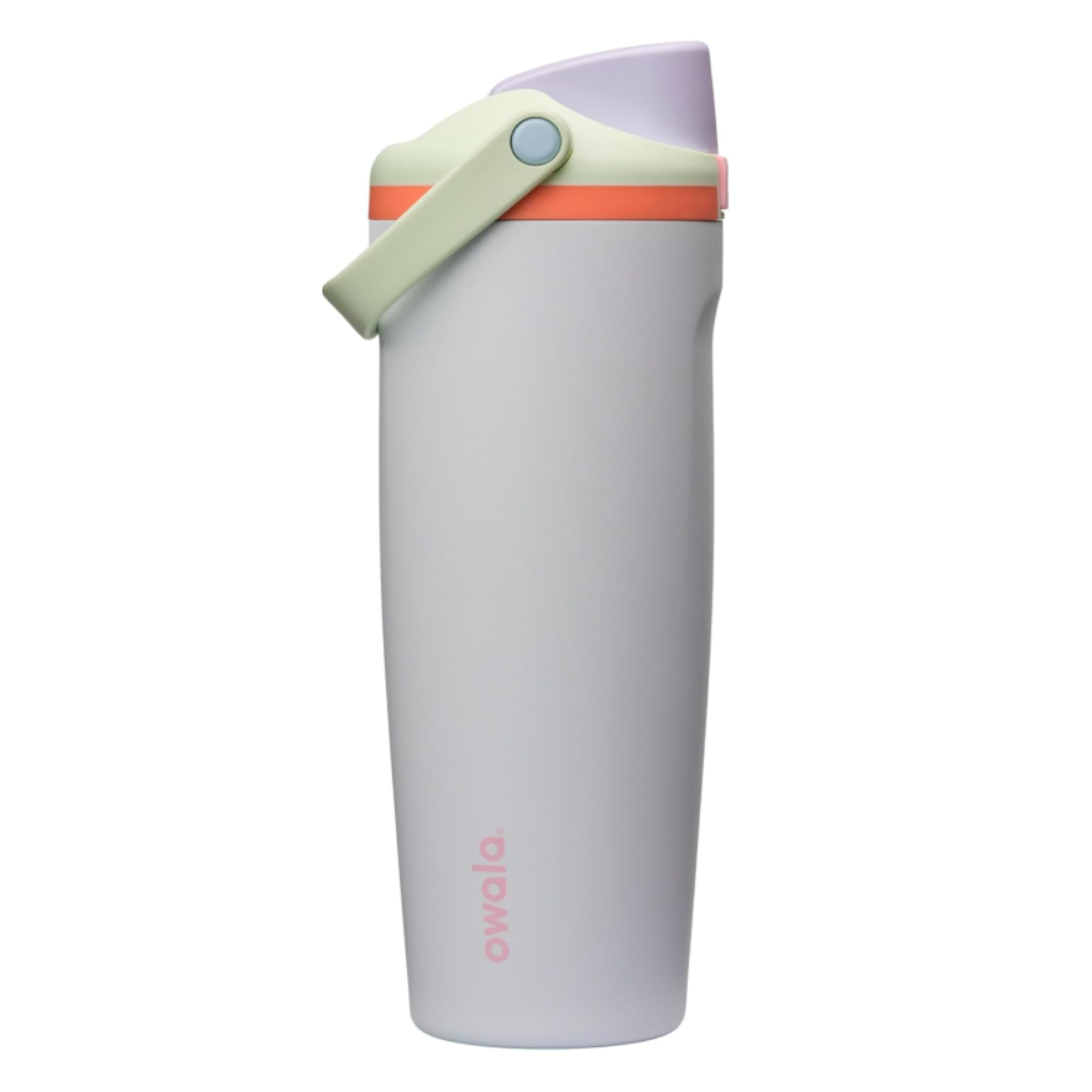
The Owala FreeSip Sway makes everyday hydration easier with its two in one spout. You can sip through the built in straw or tilt the bottle for a bigger drink without changing lids. Its carrying handle and cupholder friendly shape also make it convenient for commuting, work, and travel.
Best Water Bottles of 2026 at a Glance: Comparison Table
| Bottle | Material | Capacity | Lid Type | Insulation | Dishwasher Safe | Best For |
|---|---|---|---|---|---|---|
| Owala FreeSip Sway | Stainless steel | 30 oz | 2-in-1 FreeSip spout | Triple-layer | Lid only; hand-wash body | Everyday use |
| Hydro Flask Wide Mouth | Stainless steel | 32 oz | Flex Straw Cap | Double-wall vacuum | Yes | Cold drinks |
| Nalgene Sustain Wide-Mouth | Tritan Renew | 32 oz | Screw cap | None | Yes | Lightweight use |
| YETI Rambler | 18/8 stainless steel | 26 oz | Chug Cap | Double-wall vacuum | Yes | Durability |
| BrüMate Rise | Stainless steel | 25 oz max | Metal straw | BevGuard | Yes | Metal-straw option |
| Stanley Quencher ProTour | Recycled 18/8 steel | 40 oz | Flip Straw | Double-wall vacuum | Yes | Car cupholders |
| Takeya Actives | Stainless steel | 24 oz | Spout lid | Vacuum insulated | Check model care guide | Budget insulation |
Best Water Bottles for Specific Categories
Let’s take a look at the water bottles that truly stand out for their performance, build quality, and real user feedback. Each one offers unique features to suit different needs and budgets.
Owala FreeSip Sway — Best Overall: Its two-in-one spout lets you sip or take bigger drinks without switching lids. The carrying handle and cupholder-friendly design make it a convenient choice for everyday use.
Hydro Flask Wide Mouth — Best for Insulation: A great option if you prefer cold water throughout the day. Its vacuum insulation and wide opening make it useful for work, travel, and outdoor activities.
Nalgene Sustain Wide-Mouth — Best Budget Pick: Lightweight, affordable, and easy to clean. It’s particularly useful for students and hikers who don’t need an insulated bottle.
YETI Rambler — Best for Durability: Its sturdy stainless steel construction makes it a practical choice for outdoor work and frequent travel, especially if durability matters more than weight.
BrüMate Rise — Best for Metal-Straw Drinking: A good choice if you prefer sipping through a metal straw and want to reduce plastic contact while drinking.
Stanley Quencher ProTour — Best for Desk Work and Driving: Its large 40 oz capacity, carrying handle, and cupholder friendly base make it convenient for long workdays and road trips.
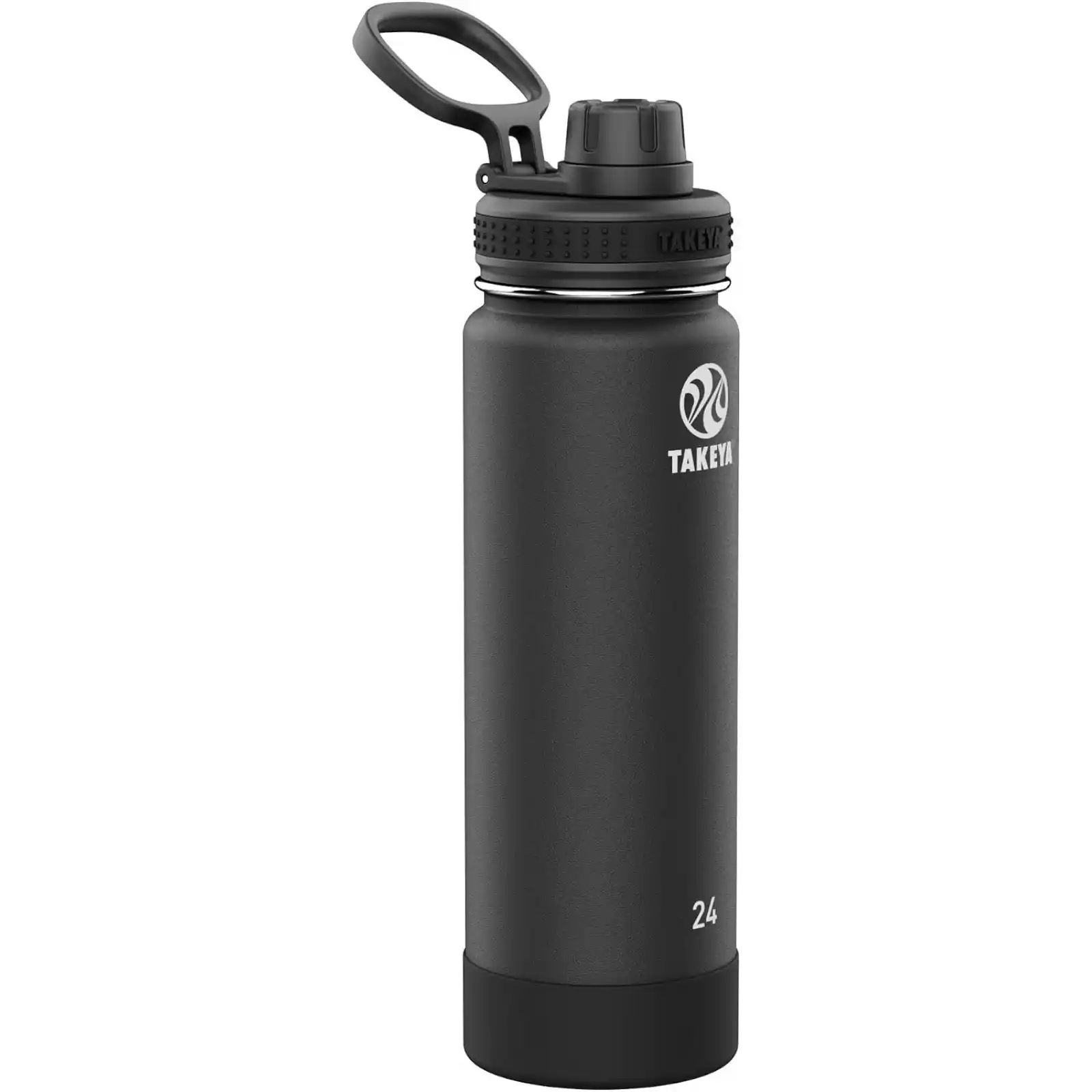
Takeya Actives — Best Budget Insulated Bottle: An affordable insulated option with a convenient spout lid, making it suitable for workouts, college, and everyday activities.
Find Your Perfect Bottle
Answer 4 quick questions to find your match.
Question 1 of 4
25%
YOUR BEST MATCH
Check the latest price and specifications before purchasing.
1. Owala FreeSip Sway (30 oz) Best Overall Water Bottle
Owala FreeSip Sway (30 oz)
The Owala FreeSip Sway makes everyday hydration easier with its two in one spout. You can sip through the built in straw or tilt the bottle for a bigger drink without changing lids. Its carrying handle and cupholder friendly shape also make it convenient for commuting, work, and travel.
PROS
-
Two-in-one spout for sipping and chugging.
-
Cupholder-friendly design.
-
Convenient bucket-style carrying handle.
-
Lockable lid for added security.
CONS
-
Metallic finish may scratch over time.
-
Lid has more components to clean.
-
Insulation performance needs further verification.

What Real Owners Say
While researching Owala FreeSip and Sway discussions on Reddit, I found owners discussing the Sway’s carrying handle, locking feature, and everyday convenience. Some prefer the Sway for travel, while others find the regular FreeSip easier to open.
These experiences suggest that the lid design matters just as much as the bottle itself, especially if you frequently drink water while moving around.
Is It Right for Your Daily Routine?
If you regularly move between your car, desk, and daily errands, the Sway offers convenient drinking options without switching bottles. It’s particularly useful if you like sipping while working but prefer taking bigger drinks after physical activity.
Why Should You Buy It?
If you move between your car, desk, and daily errands, the Sway gives you two convenient ways to drink without switching bottles. It’s particularly useful if you prefer sipping while working but want a bigger drink after walking or exercising.
Who Should Skip It?
If you prefer a simple lid with minimal cleaning or don’t need two drinking options, a basic insulated bottle may be a better fit.
Drawbacks
The Sway’s lid has more parts than a basic screw cap, so cleaning around the spout and moving components may take extra effort. Its exterior finish can also show wear if carried alongside keys or other hard objects.
If you’re choosing between the two designs, our Owala FreeSip vs Sway comparison explains the differences in carrying comfort, cleaning, and everyday convenience.
Verdict
The Owala FreeSip Sway is our best overall pick for everyday convenience. Its flexible spout, carrying handle, and portable design make it especially appealing to commuters and office workers.
2. Hydro Flask Wide Mouth (32 oz) Best Insulated Classic

Hydro Flask Wide Mouth (32 oz)
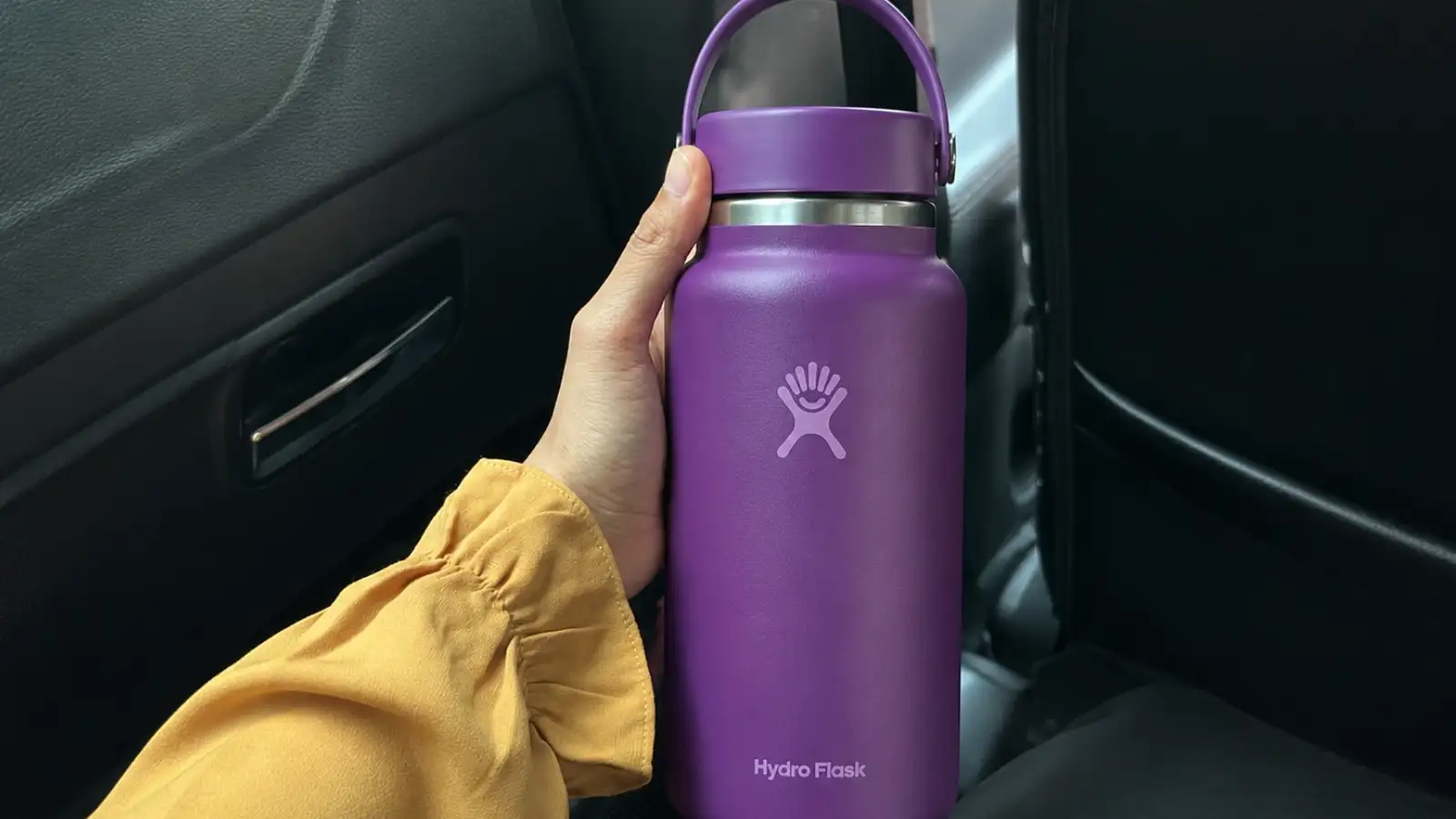
The Hydro Flask Wide Mouth is a reliable option if you want cold water throughout a busy day. Its vacuum insulated stainless steel body helps maintain drink temperature, while the wide opening makes adding ice and refilling easier. Compatible caps, including the Flex Straw Cap, let you choose how you prefer to drink.
PROS
-
Vacuum insulation for cold drinks.
-
Wide opening for ice and cleaning.
-
Multiple compatible cap options.
-
Dishwasher-safe construction.
CONS
-
More expensive than basic bottles.
-
Wide body may not fit standard car cupholders.
-
Heavier than plastic alternatives.
What Real Owners Say
In a Reddit discussion comparing Hydro Flask bottle sizes, owners discuss the trade off between capacity and carrying comfort. Some appreciate the 32 oz bottle because it reduces refill trips, while others prefer smaller sizes that feel easier to hold and transport.
This is an important consideration if you plan to carry your bottle throughout the day rather than keeping it on a desk.
Why Should You Buy It?
If you leave home early and spend hours at work, college, or outdoors, the Hydro Flask helps keep your water cold between refills. Its wide opening is also convenient if you regularly add ice.
Who Should Skip It?
If you need a slim bottle for driving or want something lightweight and affordable, the 32 oz Wide Mouth may feel too bulky.
If the 32 oz bottle feels too bulky, our Hydro Flask size guide can help you choose a capacity that better fits your daily routine.
Drawbacks
The wider body may feel uncomfortable for people with smaller hands, and it isn’t designed to fit many standard car cupholders. Its premium price may also be unnecessary if you don’t need insulation.
Verdict
The Hydro Flask Wide Mouth is a strong choice for buyers who prioritize insulation and flexible cap options. It’s best for people who don’t mind carrying a wider, heavier bottle.
3. Nalgene Sustain Wide Mouth (32 oz) Best Value Water Bottle
Nalgene Sustain Wide Mouth (32 oz)
The Nalgene Sustain is a practical choice if you want a reusable bottle without spending extra on features you may not need. Made from Tritan Renew copolyester, it offers a lightweight design with a wide opening for easy filling and cleaning. It’s particularly useful for students, hikers, and gym-goers.
PROS
-
Affordable compared with insulated bottles.
-
Lightweight Tritan Renew construction.
-
Wide mouth for filling and cleaning.
-
Dishwasher safe.
CONS
-
No insulation for keeping water cold.
-
Wide opening may cause splashing.
-
Plastic body can scratch over time.

What Real Owners Say
In Nalgene discussions on Reddit, users frequently compare wide-mouth and narrow mouth designs. The main consideration is whether you prefer easier cleaning and filling or a more controlled drinking experience.
These discussions offer useful context about Nalgene bottle designs, although general comments shouldn’t be treated as verified feedback about the Sustain model specifically.
Why Should You Buy It?
If you’re a student, hiker, or gym goer who already carries plenty of gear, the Nalgene offers a generous capacity without the extra weight of insulated steel. It’s also a sensible option if you’re trying to stay within a budget.
Not sure whether 32 oz is the right size? Our Nalgene size comparison can help you find a better fit for hiking, school, or everyday use.
Who Should Skip It?
If you want ice cold water for hours or prefer sipping through a straw, this uninsulated wide mouth bottle may not meet your needs.
Drawbacks
Because the bottle isn’t insulated, your water may warm up quickly in hot weather. The wide opening can also make drinking awkward while walking, although a compatible drinking accessory may help.
Verdict
The Nalgene Sustain is our best value pick for buyers who want affordability, portability, and easy maintenance. It keeps things simple without unnecessary extras.
4. YETI Rambler 26 oz — Best for Durability
YETI Rambler 26 oz
The YETI Rambler is designed for people who want a sturdy bottle for everyday and outdoor use. Its 18/8 stainless steel construction and double wall vacuum insulation help maintain drink temperature, while the Chug Cap offers a controlled opening for quick drinks.
PROS
-
Heavy-duty stainless steel construction.
-
Double-wall vacuum insulation.
-
Leakproof Chug Cap when properly closed.
-
Dishwasher-safe design.
-
Compatible replacement lid options.
CONS
-
Not cupholder friendly.
-
Premium price.
-
Heavier than many alternatives.

What Real Owners Say
In Reddit discussions about durable stainless steel water bottles, buyers compare brands such as YETI based on durability, insulation, and long term value.
These discussions help explain what durability-focused shoppers look for, but general brand feedback doesn’t prove that every Rambler model performs identically.
Why Should You Buy It?
If you work outdoors, travel frequently, or carry your bottle between job sites, the Rambler’s sturdy construction may suit your routine. It’s especially appealing if durability matters more to you than a lightweight design.
Who Should Skip It?
If you mainly need a compact bottle for short commutes or want something that fits a standard car cupholder, the Rambler may be unnecessarily bulky.
Drawbacks
Its wider shape limits cupholder compatibility, while the heavier construction may become inconvenient during long commutes. The Chug Cap also includes separate components that need regular cleaning.
The Chug Cap works well for quick drinks, but lid preference can make a difference. Our YETI Rambler lid guide can help you compare the options before buying.
Verdict
The YETI Rambler is a strong durability focused option for outdoor workers and travelers. Its main trade offs are weight, width, and premium pricing.
5. BrüMate Rise (25 oz) Best Metal Straw Water Bottle
BrüMate Rise (25 oz)
The BrüMate Rise is worth considering if you enjoy drinking through a straw but prefer less plastic contact with your water. Its ColdKey metal straw offers an alternative to traditional plastic straws, while BevGuard insulation is advertised to retain ice for over 24 hours.
PROS
-
Metal straw reduces plastic contact in the drinking path.
-
Covered straw helps protect the drinking opening.
-
Insulated stainless steel construction.
-
Dishwasher-safe design.
CONS
-
Usable capacity may be lower than its maximum capacity.
-
Heavier than a basic plastic bottle.
-
Exact model specifications should be confirmed.

What Real Owners Say
While reviewing Reddit discussions about reusable bottles and straw materials, I found that cleaning and the materials used in drinking components are common concerns.
However, I couldn’t establish enough reliable owner feedback specifically about the BrüMate Rise 25 oz to make claims about its long-term performance.
Why Should You Buy It?
If you spend long hours at a desk and prefer sipping without lifting your bottle, the Rise may fit your routine. It’s particularly appealing if reducing plastic contact matters more to you than maximum capacity.
Who Should Skip It?
If you need the full advertised capacity as usable drinking space or prefer a simple wide-mouth lid, another bottle may be more suitable.
Drawbacks
The reported difference between maximum and usable capacity is worth checking before buying. Also, a metal straw doesn’t necessarily mean the entire drinking path is plastic-free, so reviewing the full lid and straw construction is important.
Verdict
The BrüMate Rise is an interesting option for people who prefer metal straws and insulated drinks. Confirm its usable capacity and exact drinking path materials before purchasing.
6. Stanley Quencher ProTour Flip Straw (40 oz) Best Cupholder Friendly Tumbler
Stanley Quencher ProTour Flip Straw (40 oz)
The Stanley Quencher ProTour is a convenient choice if you like keeping plenty of water nearby. Its 40 oz capacity reduces refill trips, while the tapered base fits many car cupholders. The comfortable handle and flip-straw lid make it practical for driving, office work, and long days at a desk.
PROS
-
Large 40 oz capacity.
-
Fits many standard car cupholders.
-
Comfortable carrying handle.
-
Leakproof flip-straw lid when properly closed.
-
Dishwasher-safe construction.
CONS
-
Heavy and bulky compared with smaller bottles.
-
Straw components require regular cleaning.

What Real Owners Say
In a Reddit discussion about Stanley ProTour lids, an owner discussed the removable straw and gasket, particularly their usefulness for cleaning.
However, another ProTour discussion raises concerns about leakage. Commenters discussed possible factors such as overfilling and carbonated drinks, although those experiences don’t establish a problem with every bottle.
Why Should You Buy It?
If you spend most of your day driving or working at a desk, the Stanley’s large capacity helps reduce refill interruptions. Its handle and tapered base also make it convenient to keep nearby.
Who Should Skip It?
If you frequently hike, cycle, or carry a small backpack, its bulky size and weight may make it less practical.
Drawbacks
A full 40 oz tumbler can feel heavy if you carry it for long periods. Although the lid is designed to prevent leaks when properly closed, following the manufacturer’s filling and drink-type instructions is important.
Verdict
The Stanley Quencher ProTour is an excellent choice for drivers and desk workers who want a large, handled tumbler. It’s less suitable for activities where portability matters most.
7. Takeya Actives Insulated Bottle (24 oz) Best Budget Insulated Pick
Takeya Actives Insulated Bottle (24 oz)
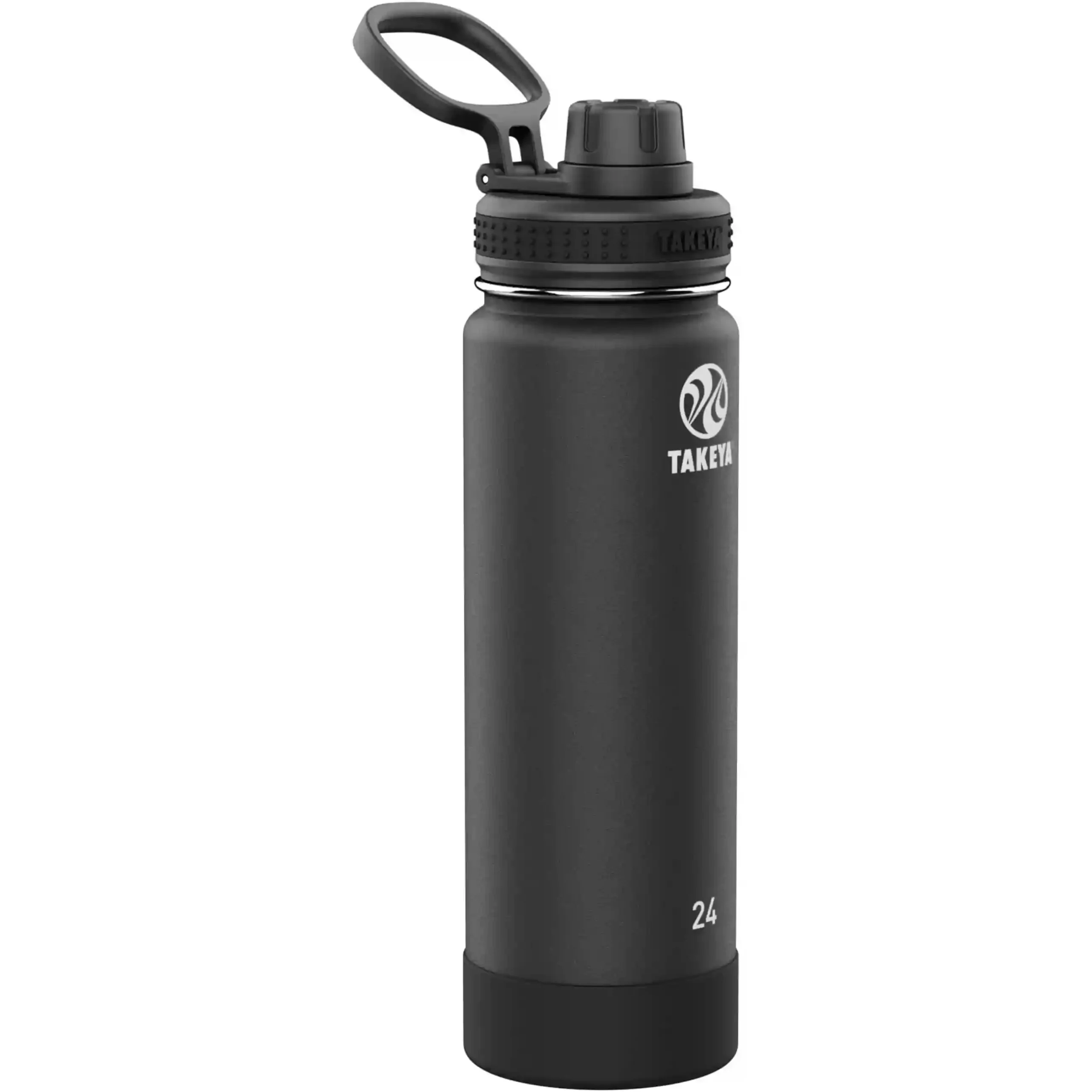
The Takeya Actives offers a straightforward way to enjoy an insulated water bottle without paying a premium price. Its stainless steel construction helps maintain drink temperature, while the spout lid makes taking quick drinks convenient during workouts and daily activities.
PROS
-
Budget-friendly insulated construction.
-
Convenient spout lid.
-
Dishwasher-safe parts.
-
Practical for workouts and everyday use.
CONS
-
Lid and gasket require regular cleaning.
-
Exact model specifications need confirmation.
-
Extended ice-retention performance needs stronger supporting evidence.

What Real Owners Say
While reviewing Takeya Actives discussions on Reddit, I couldn’t establish enough reliable owner feedback specifically about the 24 oz model.
Rather than relying on comments about other Takeya bottles, it’s better to compare the exact model’s official specifications and independent product reviews.
Why Should You Buy It?
If you regularly head to the gym after work or college, the Takeya’s quick-access spout makes water breaks easier. It’s a practical option if you want insulation without paying extra for premium features.
Who Should Skip It?
If independently verified extended ice retention or a metal drinking surface is important to you, consider other options.
Drawbacks
The spout lid is convenient, but its smaller components can trap moisture if they aren’t cleaned and dried properly. It’s also worth confirming the exact capacity and lid configuration before ordering.
Verdict
The Takeya Actives is a sensible budget choice for gym-goers, students, and everyday users. It offers practical features at a more accessible price point.
Material Safety Guide: What “BPA Free” Doesn't Tell You
A water bottle labeled “BPA free” might sound like the safest choice, but that label only tells part of the story. It means the product is made without bisphenol A (BPA), not that it’s free from every chemical concern or microplastic particles.
The material inside your bottle matters just as much as the label. Glass and unlined stainless steel avoid plastic contact through the bottle body, while plastic and lined aluminum bottles require a closer look at their construction and condition.
| Material | Safety | Microplastic Risk | Best For | Notes |
|---|---|---|---|---|
| Glass | Safest, but fragile | None | Home or office sipping; hot or acidic drinks | Heavy and breakable; not ideal for gym bags or hiking |
| 18/8 (304) Stainless Steel | Safe and durable | None from the body; check lid and gasket | Everyday, insulated, travel | Choose an unlined or verified-lining bottle; avoid unknown interior coatings |
| Tritan Copolyester | Safest plastic; BPA-free | Low; replace if scratched | Lightweight, budget, hiking | Avoid old polycarbonate (#7) and PVC bottles |
| Aluminum | Safe only with a verified interior liner | Low if liner is intact; avoid scratched liners | Lightweight insulated options | Confirm the liner; a damaged liner can expose aluminum |
How to Choose a Water Bottle: 6 Things That Actually Matter

A good water bottle should fit your daily routine, not make it harder. A bottle that works perfectly at the gym might feel too heavy for commuting or too wide for your car cupholder.
When comparing water bottles, I focus on six things: lid design, capacity, insulation, material safety, durability, and value. These details tell you much more about everyday convenience than a popular brand name.
1. Lid Type: Sip, Straw, or Chug?
The lid is one of the first things I look at when researching a water bottle. Even a well insulated bottle can become frustrating if the lid leaks, feels awkward, or takes too much effort to clean.
Here’s how the main lid styles compare:
Sip lids: Great for controlled drinking while commuting or sitting at your desk.
Straw lids: Convenient for quick drinks during walks or workouts, but the straw needs regular cleaning.
Chug lids: Ideal when you want a faster flow of water. Wide openings also make adding ice and cleaning easier.
My tip: Choose a bottle with replaceable lids and gaskets whenever possible. If a seal wears out or a lid cracks, you may be able to replace that part instead of buying a new bottle.
2. Capacity and Cupholder Fit
Bigger isn’t always better. A 40 oz bottle means fewer refills, but it also takes up more space and feels heavier when full.
For everyday use, I would start with these sizes:
20–24 oz: A practical choice for commuting, short workouts, and smaller bags.
25–32 oz: A good balance for office days, gym sessions, and longer outings.
40 oz or more: Useful for hot days or situations where refilling isn’t convenient.
If you drive often, check the bottle’s base diameter against your car cupholder before buying. Tumblers such as the Stanley Quencher ProTour are designed with a narrower base, but that doesn’t guarantee a fit in every vehicle.
Bike bottle cages are another story. Large handled tumblers generally aren’t suitable for standard cages, so check compatibility if you plan to cycle.
3. Insulation: Do You Really Need All Day Cold Water?
If you enjoy cold water throughout the day, a vacuum insulated stainless steel bottle is worth considering. Double wall insulation slows heat transfer, helping your drink stay cold for longer.
For better results, add ice before filling the bottle with water. A wide mouth opening makes this easier, especially when you’re using larger ice cubes.
But insulation isn’t essential for everyone. An uninsulated bottle like the Nalgene Sustain is lighter and often more affordable. It’s a sensible option if you refill regularly and don’t mind room-temperature water.
Keep in mind: A manufacturer’s 24 hour cold claim is a useful reference, not a guarantee. Actual performance depends on the room temperature, starting water temperature, ice, and how often you open the lid.
4. Material Safety and Microplastics
Bottle material matters, especially if you’re trying to reduce plastic contact with your drinking water. I look beyond the BPA-free label and consider the bottle body, lid, straw, and seals.
Here’s a quick breakdown:
Glass: Doesn’t shed plastic particles from the bottle body, but it’s heavier and can break.
18/8 stainless steel: Durable, corrosion resistant, and a practical choice for reducing plastic contact.
Tritan copolyester: A lightweight, BPA free plastic option, although it isn’t completely free from concerns about plastic particle shedding.
Aluminum: Usually requires an interior lining to prevent direct contact between the drink and the metal. Check the manufacturer’s lining details.
Plastic bottles can develop scratches and wear over time. Replace them if they become deeply scratched, cracked, or difficult to clean, and avoid exposing them to heat beyond the manufacturer’s recommendations.
Older polycarbonate bottles and PVC containers are also worth avoiding when their food-contact safety and intended use are unclear.
For a closer look at lids, materials, and hidden plastic components, read our guide to what BPA-free water bottle labels don’t tell you.
Portability & Fit
A bottle might be perfect on paper but annoying in real life.
Things to check:
Cup holder compatibility (especially for driving)
Backpack fit (important for travel or office use)
Weight balance (full bottle can feel heavy)
I’ve noticed that bottles that don’t fit in standard holders or bags quickly become inconvenient, even if their performance is excellent.
Ease of Cleaning
Cleaning is one of the most overlooked factors.
If a bottle is hard to clean:
It builds odor
Bacteria grows
And you stop using it regularly
Learn how to properly clean any bottle in this complete cleaning guide.
5. Durability and Replaceable Parts
A durable bottle isn’t necessarily one that never shows damage. It’s one that continues working after normal daily wear.
Stainless steel bottles can dent when dropped, but they generally resist cracking better than glass. Glass avoids plastic contact in the bottle body but can shatter, while plastic bottles are lightweight yet may scratch or crack over time.
I also pay attention to replacement parts. A bottle with separately available lids, straws, and gaskets can be easier and less expensive to maintain.
My advice: Before buying an expensive bottle, check whether the brand sells replacement lids and seals. A small replacement part can extend the useful life of the whole bottle.
6. Price and Value: Is an Expensive Bottle Worth It?
You don’t need the most expensive water bottle to get something reliable. Budget friendly options like the Nalgene Sustain can be excellent for basic hydration, while the Takeya Actives offers insulation without necessarily paying premium-brand prices.
Higher-priced bottles may justify their cost through better lid engineering, insulation, finish quality, warranty support, or replacement-part availability. But those benefits only matter if you’ll actually use them.
For example, paying extra for all day insulation makes sense if you’re outside for hours. It makes less sense if your bottle stays on a desk and you refill it with cold water throughout the day.
My recommendation: Spend money on the features that solve your everyday problems. A comfortable lid, suitable capacity, and reliable construction are usually more valuable than a logo.
Which Water Bottle Should You Pick?
Choose based on your daily needs
💧 Everyday sipping
Owala FreeSip Sway
❄️ Cold drinks
Hydro Flask / Takeya
🪶 Lightweight use
Nalgene Sustain
The best bottle is the one that fits your routine, feels comfortable to carry, and is easy to clean.
Water Bottle Care and Cleaning Tips: Keep It Fresh and Odor Free
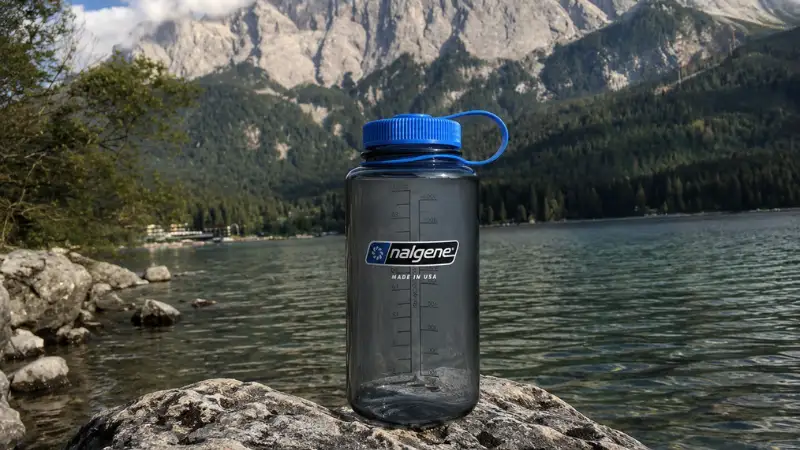
Even the best water bottle needs regular cleaning. Moisture can collect inside lids, straws, and rubber seals, creating a place for mold and bacteria to grow. A few simple habits can help prevent unpleasant smells and keep your bottle in good condition.
1. Rinse Your Water Bottle After Every Use
Rinse your bottle and lid after each use, especially if you’ve filled it with juice, coffee, or flavored drinks. Plain water bottles also need regular washing because bacteria can transfer from your mouth to the drinking spout.
Use warm water and mild dish soap for routine cleaning. Check the manufacturer’s care instructions before putting any bottle or lid in the dishwasher.
2. Clean the Lid, Straw, and Rubber Gasket
The lid is easy to overlook, but it’s often where moisture and residue collect. Remove detachable straws and gaskets according to the manufacturer’s instructions, then clean them with warm, soapy water.
A small cleaning brush can help reach narrow drinking spouts and straws. Even if your bottle is dishwasher-safe, regularly inspect and clean hidden areas that the dishwasher might miss.
Quick tip: Never force a gasket out if the manufacturer doesn’t recommend removing it. Damaging the seal could cause leaks.
3. How to Remove Smells From a Water Bottle
If your water bottle smells unpleasant, start by washing it with warm, soapy water and a bottle brush. Pay extra attention to the lid and gasket, where odors can linger.
For stubborn smells, try a baking soda solution or a diluted white vinegar soak, provided the manufacturer allows it. Use these methods separately, not mixed together, and rinse thoroughly afterward.
If the smell remains after cleaning, check whether the gasket or straw needs replacing.
4. Let Your Water Bottle Dry Completely
One of the easiest ways to prevent musty smells is to let every part dry before putting the bottle back together.
Place the bottle upside down on a clean drying rack and leave the lid open or detached. Let removable straws and gaskets air-dry separately so moisture doesn’t stay trapped.
My advice: Store your bottle with the lid off when possible. It helps keep the interior dry between uses.
5. Check for Scratches, Cracks, and Worn Parts
Inspect your bottle regularly, especially if it’s made from plastic. Deep scratches and cracks can trap residue, make cleaning harder, and may increase plastic particle shedding as the material wears.
Replace plastic bottles that are badly scratched, cracked, or no longer easy to clean. Avoid reusing older polycarbonate (#7) or PVC containers unless their food-contact suitability is clearly established. Remember that recycling code #7 covers several materials, not just polycarbonate.
For stainless steel bottles, check for damaged lids, loose seals, or rust. Replacing a worn gasket or lid may be enough to keep an otherwise usable bottle working properly.
💧 Quick Water Bottle Cleaning Checklist
FAQs About Best Water Bottles
How often should I clean my water bottle?
You should clean your water bottle daily if you use it regularly, especially with anything other than water. For best hygiene, do a deep clean once a week to prevent odor and bacteria buildup.
What is the safest material for a water bottle?
Stainless steel (especially 18/8 or 304 grade) is considered the safest because it’s BPA-free, durable, and doesn’t leach chemicals. Glass is also safe but less practical due to its fragility.
How long do insulated water bottles last?
A good quality insulated bottle can last 3 to 5 years or more, depending on usage and care. Regular cleaning and avoiding dents or drops helps maintain performance over time.
Are expensive water bottles worth it?
Can bacteria grow inside water bottles?
Yes, bacteria can grow if bottles are not cleaned regularly, especially in moist environments. This can lead to odor, taste changes, and potential health risks if ignored.
Do stainless steel bottles change the taste of water?
No, high-quality stainless steel bottles are designed to maintain a neutral taste. Unlike plastic, they don’t absorb flavors or odors when properly cleaned.
Which water bottle is best for daily use?
A 32 oz insulated stainless steel bottle is usually the best for daily use, as it balances capacity, durability, and temperature retention for most routines.
Conclusion: Your Hydration Journey Starts Here
Choosing the right water bottle comes down to what matters most in your daily routine. Whether you need long lasting insulation, a lightweight design, or something easy to carry, there’s an option for every lifestyle and budget.
Before buying, think about how often you’ll use it, how easy it is to clean, and whether its size and lid suit your needs. A good water bottle isn’t just about features or price it’s about making everyday hydration easier and more convenient.
About the Author
Zainab is the founder and research lead at Water Bottle Experts, with over three years of experience using, researching, and evaluating reusable drinkware. Her approach combines genuine everyday bottle-use experience with manufacturer documentation, independent research, and product-owner feedback. She focuses on practical details that influence long-term satisfaction, including portability, insulation, lid functionality, maintenance, and value. As a Stanley Quencher H2.0 user who primarily works from home, she understands how a bottle can be convenient for one routine while being less suitable for another. This perspective shapes her buying guides, where recommendations are matched to specific needs rather than popularity alone.
About This Article
This buying guide was developed by Water Bottle Experts to help readers choose a water bottle that fits their daily routine, preferences, and budget.
We compared seven models from Owala, Hydro Flask, Nalgene, YETI, BrüMate, Stanley, and Takeya, evaluating their materials, insulation, leak resistance, durability, lid usability, and overall value. Our research draws on manufacturer specifications, independent product evaluations from sources such as GearLab and practical buying advice from REI Expert Advice, alongside relevant owner feedback.
Our recommendations are based on the available evidence and each bottle’s suitability for different activities. We distinguish personally experienced products from research-based recommendations rather than suggesting every model has undergone hands-on testing by our team.
For additional help comparing materials, sizes, and features, explore our How to Choose a Water Bottle guide.