Yeti products can hold resale appeal, but it depends on condition, model, color, size, authenticity, and demand. Do not assume every Yeti product will resell for a high price.

- Home
- Buying Guides
HYDROGEN WATER DRINKWARES
- Size Comparisons
WATER BOTTLE SIZE GUIDES
- Education
Why Is Yeti So Popular? The Real Reasons Behind the Hype and High Price
Leave a comment / Blog / By Zainab.K / 2 May 2026
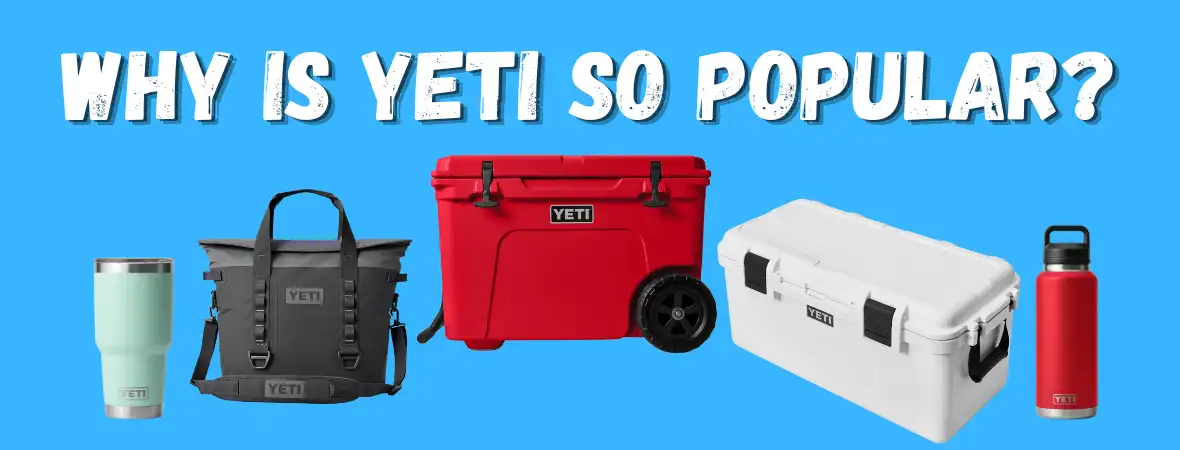
Table of Contents
Quick Answer
Choose the Yeti Tundra Hard Cooler if you need rugged construction, strong insulation, and reliable performance for camping, fishing, boating, or long road trips.
Pick the Yeti Rambler Bottle or Tumbler for everyday use at work, the gym, or while travelling, while the Yeti Hopper Soft Cooler is better for lighter, more portable outings.
Yeti is worth the higher price for frequent users who value durability and long-term use. For occasional or basic needs, cheaper alternatives may offer better value.
You have probably seen Yeti everywhere by now: in trucks, boats, campsites, offices, on road trips, and across social media.
But the real question is: why is Yeti so popular, and is it actually worth the money?
Yeti products are expensive, and plenty of cheaper alternatives exist. So it is fair to ask whether you are paying for real product quality, strong insulation, and long-term durability or mostly for the logo.
The honest answer is somewhere in between.
Yeti built its reputation on rugged products that perform well in outdoor conditions. But its popularity also comes from smart branding, lifestyle appeal, and the status of owning a premium product.
This guide is not a fanboy review or a hate piece. I’ll break down Yeti’s quality, insulation performance, pricing logic, brand psychology, competitor context, and practical buying advice.
By the end, you’ll know whether Yeti is a smart investment for your needs or just more cooler than you actually need.
Quick Picks: Popular Yeti Products Worth Knowing
Before we get into why Yeti is so popular, here are some of the products that shaped the brand’s reputation. They also show how Yeti expanded from a cooler company into a full outdoor lifestyle brand.
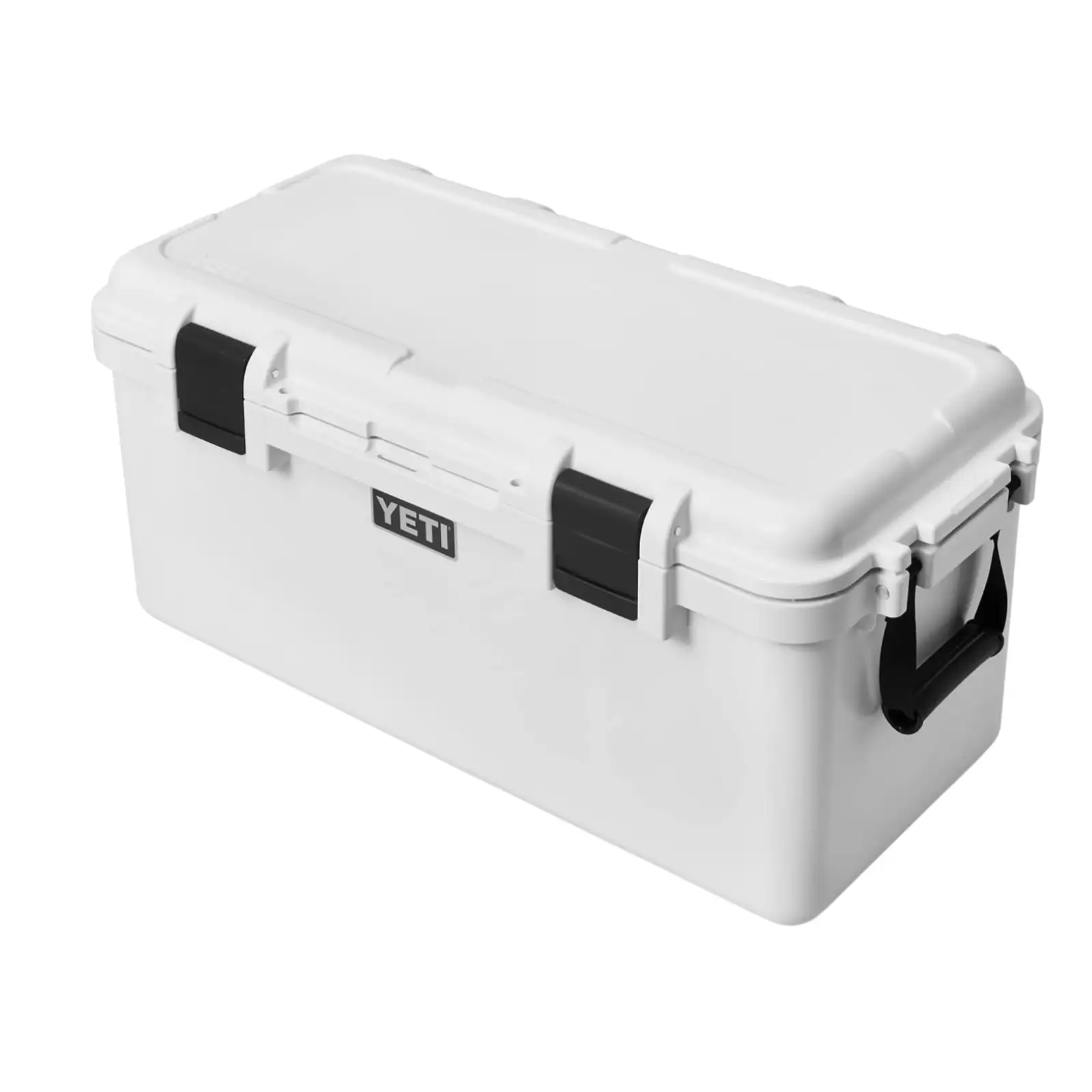
Yeti Tundra Hard Coolers | Yeti Rambler Bottles | Yeti Hopper Soft Coolers | YETI Rambler Tumbler | Yeti LoadOut GoBox |
|---|---|---|---|---|
 |  |  |  |  |
$450 | $55 | $350 | $40 | $300 |
What Is Yeti? Quick Brand Overview
Yeti is a premium outdoor products brand best known for its hard coolers, insulated drinkware, soft coolers, bags, storage gear, apparel, and accessories.
The brand started in 2006, when brothers Roy and Ryan Seiders set out to build a cooler that could handle serious outdoor use. According to Yeti’s official brand story, they were frustrated with regular coolers that were not durable enough for fishing, hunting, camping, boating, and rough outdoor conditions
That origin matters because Yeti was not built on marketing alone. It started with a real product problem. Outdoor users wanted gear that lasted longer, handled abuse better, and performed more reliably in demanding conditions.
Over time, Yeti expanded beyond hard coolers into drinkware, soft coolers, bags, cargo storage, apparel, and accessories. That shift helped the brand move from a niche outdoor company into a mainstream lifestyle brand.
That is one of the biggest reasons Yeti became so popular. People no longer use Yeti only at campsites or fishing spots. They use Yeti tumblers, bottles, bags, and coolers at work, in cars, on road trips, at the gym, and in everyday life.
Why Is Yeti So Popular?

Yeti is popular because it combines two things people care about: real product durability and a premium outdoor lifestyle image.
The products are built for rough use, but the brand also makes buyers feel like they are choosing something trusted, rugged, and high quality.
Yeti Built Its Reputation on Durability
One of the biggest reasons people trust Yeti is durability.
Yeti first became known for hard coolers made for serious outdoor use, not just casual picnics. Its coolers use rotomolded construction, which gives them thick walls and a strong shell designed to handle rough treatment.
That matters for people who use coolers for fishing, camping, hunting, boating, overlanding, or job sites.
Still, durability only matters if you actually need it. If you use a cooler once or twice a year, Yeti may be more than you need.
Yeti Performs Well in Real Outdoor Conditions
Yeti also became popular because of its insulation performance.
Its hard coolers are designed with thick insulation, tight seals, strong lids, and durable gaskets to help keep cold air inside. Its Rambler drinkware uses stainless steel and vacuum insulation, which makes it useful for coffee, water, travel, work, and daily use.
Still, performance depends on how you use it.
Ice retention can change based on the outside temperature, cooler size, amount of ice, pre-chilling, and how often you open the lid.
So Yeti performs well, but it is not magic. Real-world results depend on real-world conditions.
Yeti Became a Premium Lifestyle Signal
Yeti is not just popular because it works. It is also popular because people like what the brand represents.
The clean design, bold logo, color options, and premium feel make Yeti easy to recognize. A Yeti tumbler on a desk or a Yeti cooler in a truck can signal outdoor lifestyle, quality taste, and premium gear ownership.
That does not mean every buyer is only chasing status. Many people buy Yeti for real performance.
But status is part of the appeal, and ignoring that would be dishonest.
Yeti’s Marketing Feels Authentic and Aspirational
Yeti does not market itself like a cheap cooler brand. Instead, it focuses on outdoor stories, real users, ambassadors, adventure content, and rugged lifestyle imagery.
This makes the brand feel more authentic and aspirational.
That is why some people call Yeti the “Apple of the outdoors.” The comparison makes sense because Yeti has premium design, loyal customers, strong branding, and a growing product ecosystem.
In simple terms, Yeti is popular because it offers durability and performance, but also gives buyers confidence, identity, and the feeling of owning a premium outdoor product.
Why Is Yeti So Expensive?

Yeti is expensive because you are paying for more than a basic cooler or cup. Part of the price comes from the materials and construction, part comes from product testing, and part comes from the brand itself.
That does not mean every Yeti product is worth it for every person. But the price is not random.
Superior Materials and Build Quality
Yeti products are usually built with stronger materials than many budget alternatives.
Its hard coolers are known for rotomolded bodies, thick insulation, durable hinges, strong latches, reinforced handles, and tight seals. Its drinkware uses stainless steel and vacuum insulation, while some soft coolers use heavy-duty materials and strong zippers.
These features cost more to produce than a basic plastic cooler or simple tumbler. This is one reason Yeti products sit in a higher price range.
Product Testing and R&D Add Cost
Premium outdoor gear also costs more because it needs design, testing, and refinement.
For Yeti, parts like lids, handles, seals, insulation, zippers, and cooler walls need to perform under heat, travel, rough handling, and repeated use. That kind of development adds cost before the product ever reaches the shelf.
So the price is not just about the finished product. It also reflects the work behind making that product reliable.
Brand Premium Is Part of the Price
Here is the honest part: yes, part of Yeti’s price comes from the brand.
You are also paying for Yeti’s reputation, clean design, customer trust, lifestyle appeal, and premium image. That brand value is psychological and social, not just physical.
Product value comes from materials, insulation, lids, handles, and durability. Brand value comes from trust, status, resale perception, and the feeling of owning something premium.
For casual users, that premium may feel unnecessary. For frequent users, it can be easier to justify.
Is Yeti Worth It? Honest Buyer Decision
Yeti is worth it only if it matches how you actually use it. Buying it just because it is popular is a weak reason.
Yeti Is Worth It If…
Yeti makes sense if you use your gear often.
It is a good fit for frequent campers, anglers, hunters, boaters, road trip users, outdoor workers, and people who need rugged gear. It can also make sense for daily drinkware users because a tumbler used every day has better cost-per-use.
Yeti is easier to justify if you care about:
- durability
- strong insulation
- daily use
- fewer replacements
- long-term value
Expert tip: Buy Yeti because your lifestyle needs it, not because everyone else has one.
Yeti Is Not Worth It If…
Yeti may be overkill if you only need basic performance.
If you use a cooler once or twice a year, need a simple cup for water, or are shopping on a tight budget, a cheaper alternative may be enough.
And if you are buying it mainly for the logo, be honest: you are paying for status more than function.
For casual users, Yeti can be excellent quality and still be poor value.
Long-Term Investment vs Upfront Price
The better question is not just “How much does Yeti cost?”
It is “How often will I use it?”
A cheaper product may save money upfront, but repeated replacements can reduce that saving over time.
Yeti’s value depends on:
- lifespan
- warranty
- maintenance
- resale value
- usage frequency
To protect the investment, keep proof of purchase, register the product if needed, clean it properly, and secure expensive coolers with locks or cables.
Long-term value also depends on proper care and maintenance. For simple upkeep tips, see our guide on how to clean a reusable water bottle.
Bottom line: Yeti is worth it for frequent users, but probably not for occasional users.
Best Yeti Products and Why People Buy Them

Yeti became famous through coolers, but today its popularity comes from a wider product range. These are the main products that show why people keep buying into the brand.
The Tundra is Yeti’s flagship cooler, known for rugged construction, strong insulation, and heavy outdoor use.
Best for camping, fishing, hunting, boating, and long road trips.
The Rambler line made Yeti popular for daily use through their stainless steel water bottles.
Best for coffee, water, commuting, school, gym, work, and travel.
If you use Yeti Rambler bottles or tumblers daily, proper care matters. You can also read our guide on how to clean a stainless steel water bottle for simple cleaning tips.
The Hopper is a portable soft cooler made for people who do not want a bulky hard cooler.
Best for beach trips, tailgating, short outdoor outings, and day travel.
The LoadOut GoBox is Yeti’s storage solution for protecting and organizing gear.
Best for tools, camping gear, fishing gear, camera equipment, and vehicle storage.
The YETI Rambler 30 oz is a stainless steel, vacuum-insulated tumbler made for keeping drinks hot or cold during daily use.
Best for coffee, water, commuting, road trips, work, gym, and anyone who wants a large everyday tumbler.
Yeti vs Competitors: Is It Actually Better?

Yeti is a strong brand, but it is not the only good option. Brands like RTIC, Igloo, Coleman, Stanley, Hydro Flask, and Orca also make popular coolers and drinkware.
So the better question is not “Is Yeti always better?”
It is “Is Yeti better for your use case?”
Where Yeti Often Wins
Yeti usually stands out in areas like:
- brand trust
- design consistency
- durability reputation
- premium feel
- resale appeal
- wider product ecosystem
This matters if you want gear that feels rugged, polished, and long-lasting. Yeti also has a strong product family, including hard coolers, soft coolers, drinkware, bags, storage, apparel, and accessories.
Because the brand is so recognizable, Yeti products may also have better resale appeal than many cheaper alternatives, especially if they are kept in good condition.
Some shoppers comparing Yeti also explore other hydration product categories and trends. If you’re researching beyond insulated drinkware, read do hydrogen water bottles really work.
Where Competitors Can Win
Yeti does not always win on value.
Competitors like RTIC, Coleman, Stanley, Hydro Flask, and Orca can make more sense if your main goal is lower price or basic everyday performance.
For casual users, a cheaper brand may be enough for:
- picnics
- short trips
- school
- office use
- casual travel
- basic water or coffee use
In these cases, paying extra for Yeti may not give you enough added benefit.
Coolers vs Drinkware: The Decision Changes
For hard coolers, Yeti makes more sense if you need rugged construction, strong insulation, and gear that can handle heavy outdoor use.
For drinkware, the decision is less obvious. Brands like Stanley, Hydro Flask, and other insulated bottle brands also offer strong daily-use options.
For daily hydration, the real value also depends on what you fill it with, because using tap water in a reusable bottle can be very different from buying bottled water again and again.
If you are buying a tumbler or bottle, compare practical details like:
- lid design
- cup-holder fit
- cleaning ease
- straw or sip style
- size
- price
Do not buy Yeti drinkware only because of the logo. Buy it if the design and features actually fit your daily routine.
Expert tip: If budget is your main concern, research alternatives before buying Yeti. A cheaper product may be the smarter choice if you only need basic performance.
Bottom line: Yeti is a strong choice for people who want premium build and long-term outdoor use. But for casual users, competitors may offer better value for less money.
Common Concerns Before Buying Yeti
Before buying Yeti, it helps to be honest about a few common concerns. The products are popular, but that does not mean every buyer needs one.
Is Yeti overpriced?
Yeti can be overpriced for casual users who only need basic cooling or drinkware. For frequent outdoor users, the price can make more sense because of durability, insulation, and long-term use.
Are Yeti products counterfeited?
Yes, fake Yeti products can exist because the brand is popular. Buy from Yeti’s official website, authorized retailers, or trusted stores, and avoid deals that look unusually cheap.
How should you maintain Yeti products?
Clean lids, seals, zippers, caps, interiors, and cooler drains regularly. Even premium products need proper care to prevent odor, buildup, and wear.
Does Yeti have good resale value?
Is Yeti a good gift?
Yes, Yeti can be a good gift because it feels premium and useful. Choose based on the person’s lifestyle, such as drinkware for daily users or coolers for outdoor users.
Final Verdict: Is Yeti Hype, Value, or Both?
Yeti is both: real value and some hype.
The brand became popular because its products are durable, well-insulated, and made with premium materials. But Yeti’s success also comes from smart marketing, social proof, loyal customers, and the lifestyle image attached to the logo.
So, is Yeti worth it?
If you camp, fish, hunt, travel, work outdoors, or use your drinkware daily, Yeti can be a smart long-term purchase. But if you only need basic performance, a cheaper alternative may be enough.
Yeti is not just a trend, but it is not automatically the best value for everyone.
Yeti became popular because it solved a real outdoor gear problem, then turned that solution into a premium lifestyle identity.
Zainab Khursheed!
Hey there, I’m Zainab.
I created Water Bottles Experts to remove the guesswork from choosing the right water bottle for your lifestyle.
Every product featured here is evaluated with real-life use in mind, focusing on durability, insulation, and everyday convenience.
After learning, how consistent hydration impacts overall well-being, I now share practical guides, comparisons, and honest reviews to help you make informed, confident choices about water bottles that truly work for daily life.
Over the years, I’ve researched and compared dozens of water bottles, focusing on material safety, insulation performance, and long-term usability rather than short-term trends.
How I Chose These Bottles
This guide is based on a detailed comparison of manufacturer specifications, insulation ratings, material safety information, verified customer reviews, long-term user feedback, and expert discussions. Our goal is to present clear, practical, and unbiased information so readers can choose the right bottle for their daily needs.
I do not personally test every bottle featured on our site. Instead, I analyze repeated patterns from real-world user experiences, especially feedback related to hot climates, cold retention, leakage during travel, ease of cleaning, lid durability, comfort during carry, and overall value for money.
For insulation performance, I review manufacturer claims along with customer-reported ice retention and cold-water performance over daily use. Durability feedback is also cross-checked with long-term user reports to identify consistent issues and strengths rather than relying on isolated comments.
This helps me highlight bottles that perform well for real users while also pointing out common complaints, limitations, and best-use cases.